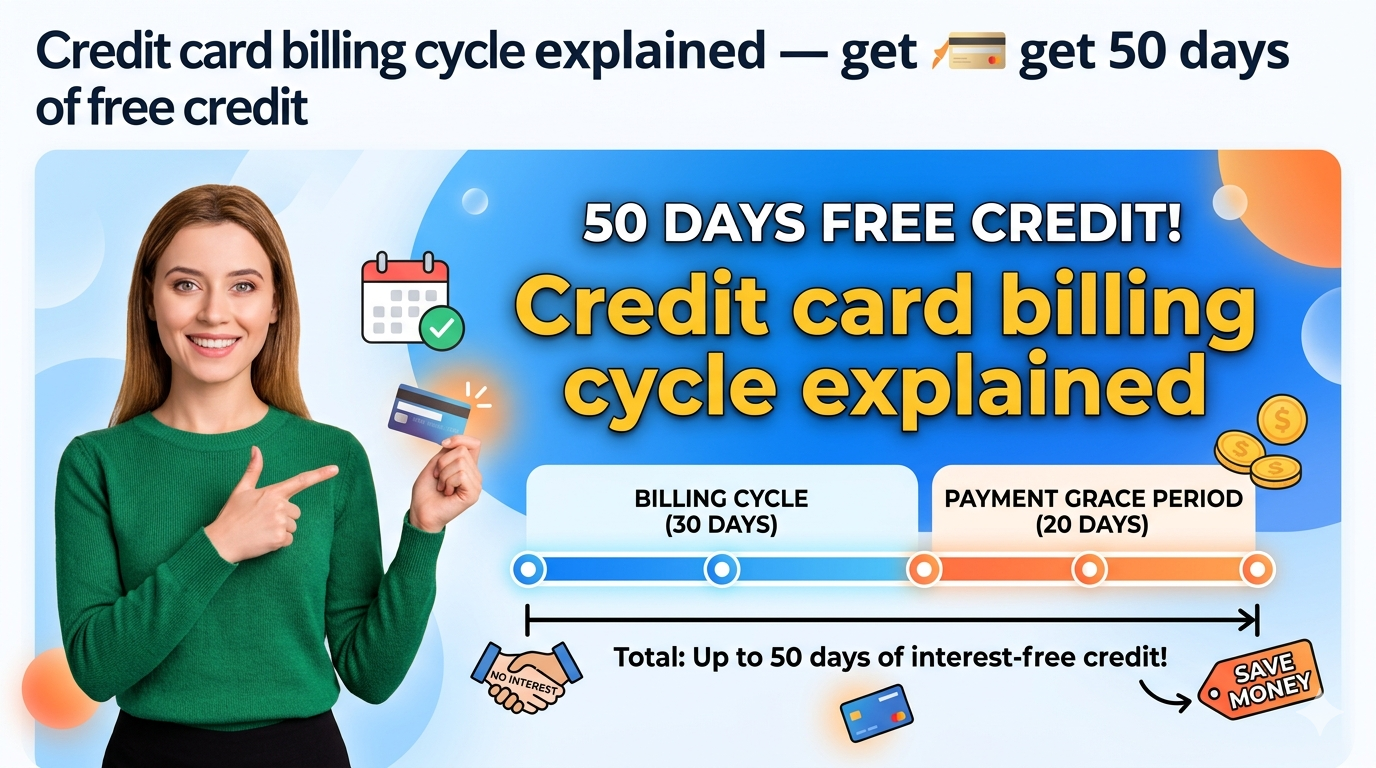
When people say a credit card gives you “up to 50 days of free credit”, they are usually picturing a long gap between the day you swipe or tap and the day the bank asks for money — with no interest in between, if you play by the rules.
This article explains how that works in plain English, and why the exact number of days can be higher or lower from one purchase to the next.
The numbers in your SMS, email, or app always beat any article: open your last monthly statement and note your cycle dates, payment due date, and total amount due.
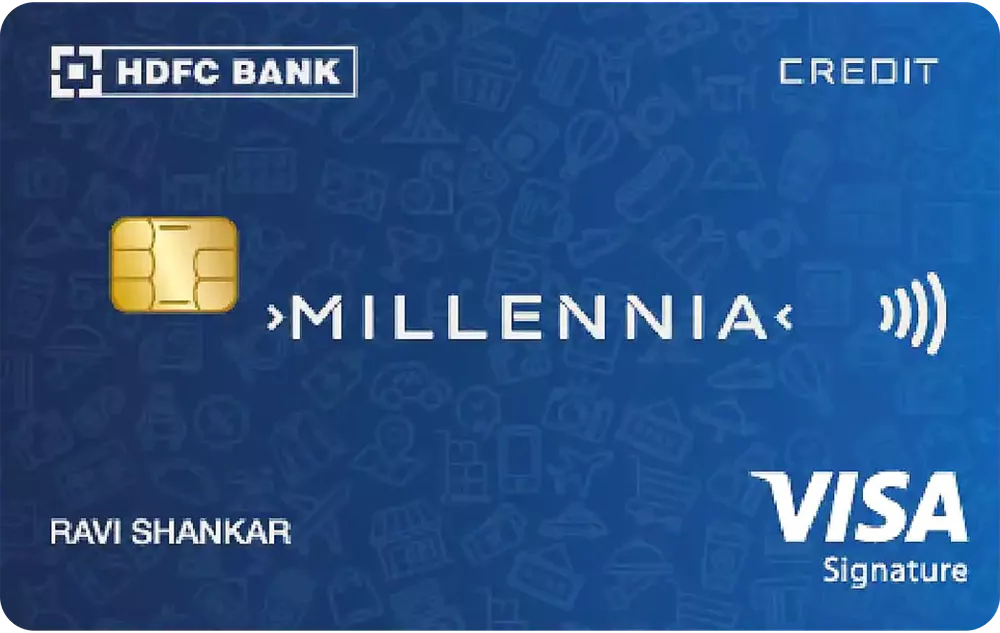
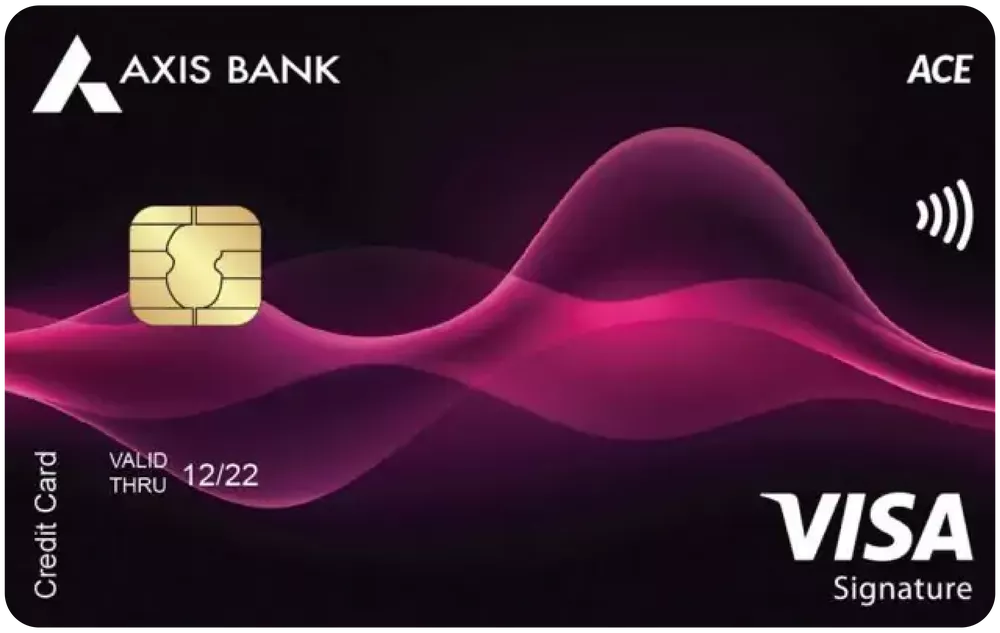
Cards in this comparison
Compare now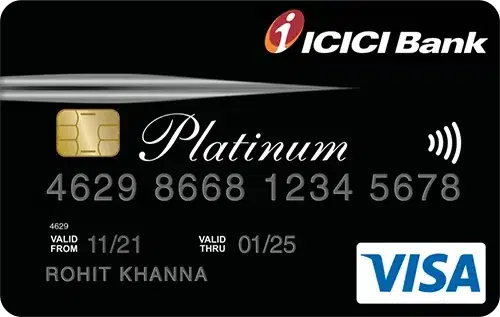



The three dates that matter
- Billing cycle (statement period): the window in which the bank adds your purchases, refunds, and fees into one bill. In practice this is often about a month (many issuers use roughly 27 to 31 days, depending on the product).
- Statement / bill date: the day the bank closes that window and issues your statement — the line items on it are what you are asked to pay in that round.
- Payment due date: the last day to pay to stay “on time.” The gap from statement date to due date is the payment grace window on that bill. Many banks give roughly 15 to 20 days here (check yours).
Think of the famous 30 + 20 ≈ 50 picture: ~30 days in the cycle you spent in, plus ~20 days after the bill is cut before the due date — that is where “up to about 50 interest-free days” comes from for a purchase that lands at the start of a cycle. It is an illustration, not a rule every bank must copy line by line.
When do you get “free” credit (no interest)?
You get the interest-free benefit on standard purchases when you pay the full amount the statement calls for (usually labelled Total Amount Due or similar) on or before the due date.
If you do that, the bank typically does not charge purchase interest on those billed transactions for that cycle. The Reserve Bank of India expects terms to be clear, and it publishes consumer credit card conduct FAQs for deeper reading (charges, wrong billing, and grievance routes).
If you pay only the “minimum” or pay after the due date, you usually lose that clean interest-free run on the unpaid part — and finance charges (often a high annual rate) can apply in line with the Most Important Terms and Conditions (MITC) in your card kit.
Why every swipe does not get the same 50 days
- A purchase on day one of a long cycle, paid in full on the next due date, can sit in the high forties to low fifties of “wait time” in that ideal story.
- A purchase on the last day before the statement closes only gets the shorter gap until the same due date — could be a couple of weeks or so, not fifty.
- Cash withdrawal, some EMI bookings, and certain merchant types are often outside the usual retail interest-free story — the MITC lists exceptions.
So “up to 50 days” is a ceiling example, not a floor for every line item.
Practical ways to use the cycle to your advantage
- Time big spends (appliances, travel) for right after your statement is generated, so the charge falls in a new cycle and you have the full next cycle + grace — only if you already planned the spend and can pay in full.
- Set payment reminders 2–3 days before the due date; UPI or net banking from your own bank is fine — allow time for the credit to show on the card.
- If your salary date clashes with the due date, many banks let you request a new billing / due date (rules vary; you may have to clear the current bill first).
- Ignore the “rewards if you only pay minimum” trap: carrying a balance usually costs more in interest than small perks earn — compare APR on any card page on CardCheck if you are choosing a new product.
Disclosure
This is general education for India — not personal financial or legal advice. Fees, interest, and cycle rules on your card are in the issuer’s MITC and your statements.
FAQ
- Is 50 days guaranteed on every card?
No. The ~50 idea is a round-number way to explain a typical maximum when your bank uses about a month-long statement period and gives about two to three weeks from statement to due date. Your app and email bill are the only numbers that count.
- Does the interest-free period apply if I use EMI?
Equated monthly instalment (EMI) plans on the card are usually a separate contract. Read the EMI terms — they often have fees and interest built in, even if the rest of the card is “free” for full payers.
- I paid one day after the due date. What happens?
The bank can treat that as a late payment: late fees, interest on the carried balance, and a possible CIBIL impact depending on how the issuer reports to the bureau. If it was a first-time mistake, your bank’s app or helpline is the right place to ask for a one-off waiver — not every bank agrees.