
.png)
WhatsApp forwards and family advice still shape how many Indians use credit cards — often in ways that hurt approval odds, waste interest, or block a first card for years.
Below we unpack seven myths that still show up in 2026, with what TransUnion CIBIL, RBI, and issuer bill rules actually say. This is education, not a promise any bank will approve you.
If you already carry a card, skim the myth vs truth table first. If you are about to apply, the last section links three entry-level products people compare on CardCheck — always read each bank’s latest terms booklet before you sign.
Cards in this comparison (3)
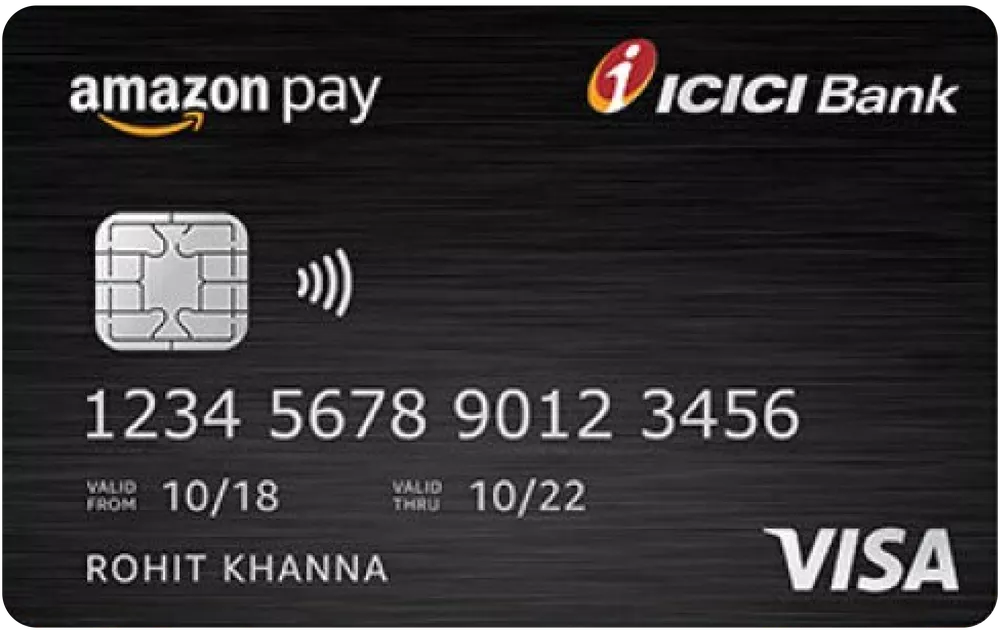

Amazon Pay ICICI Bank Credit Card
Rewards on Amazon Purchases
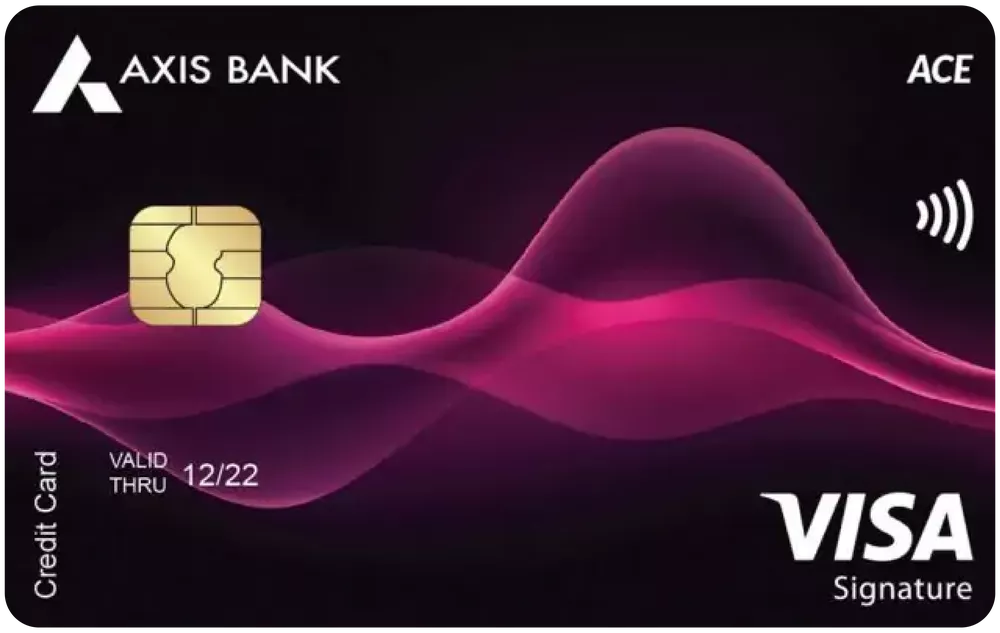

ACE Credit Card
Cashback on utility bills via Google Pay and daily spending
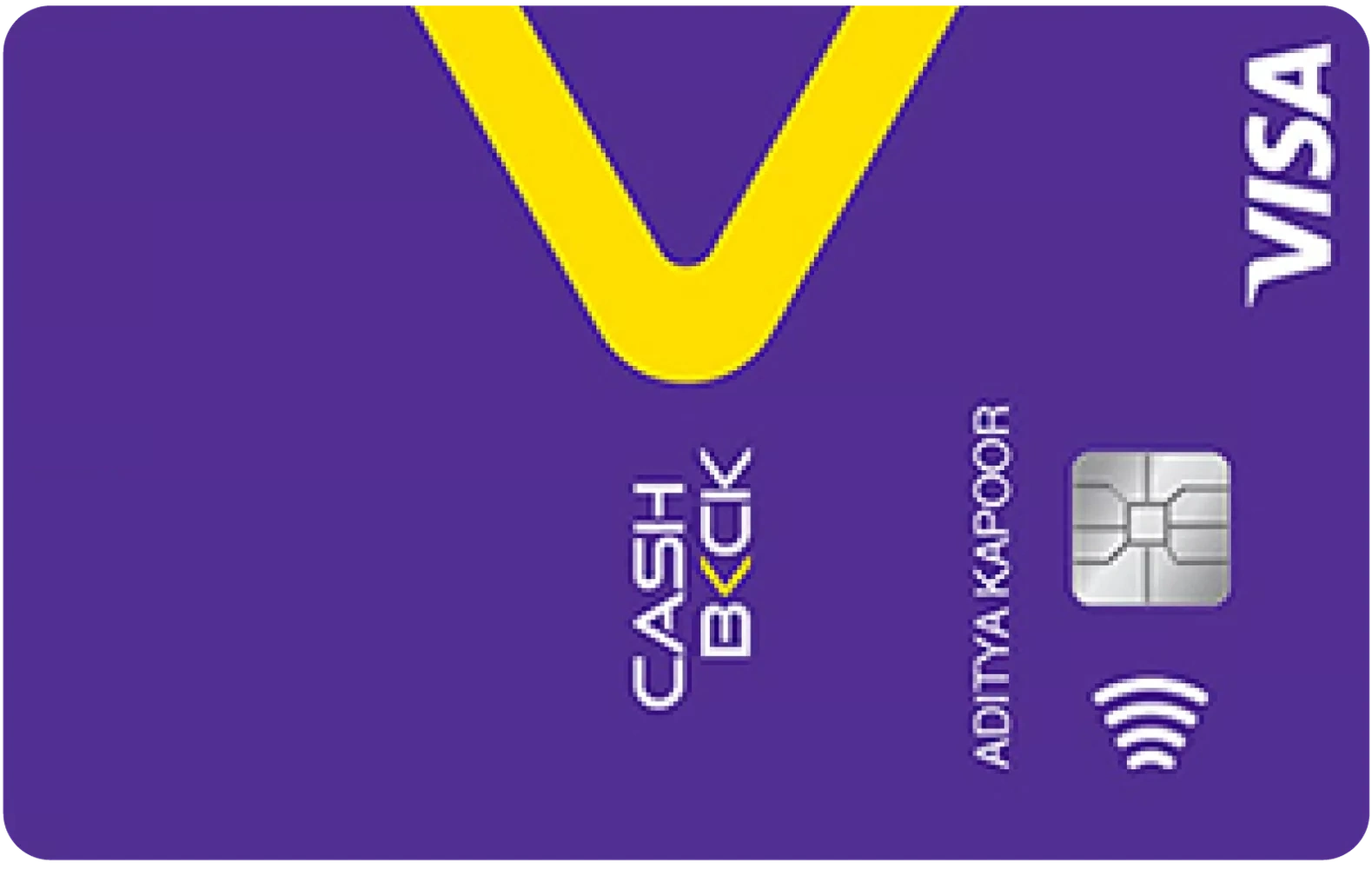

CASHBACK SBI Card
Online cashback
Myth vs truth at a glance
| Myth | What many believe | What is closer to the truth |
|---|---|---|
| 1. Cards ruin CIBIL | Any card = score damage | On-time full payments and low utilisation usually help over time |
| 2. Checking CIBIL hurts | Never look at your report | Your own check is a soft inquiry — it does not cut your score |
| 3. Leave a balance | Small unpaid balance “builds credit” | Pay in full by due date; high utilisation can pull score down |
| 4. Close old cards | Unused card = cancel it | Can shorten history and raise utilisation % |
| 5. Stay debit-only | No card = safest credit profile | Thin file makes first loans harder; secured/entry cards exist |
| 6. Minimum due is fine | MAD = staying in good standing | RBI asks banks to warn that only minimum can mean years of interest |
| 7. Need 800+ CIBIL | No score, no decent card | Many everyday cards work with 700+ when income and report look clean — bank decides |
Myth 1: Credit cards always ruin your CIBIL score
The myth: One relative missed a payment in 2019, so “cards are poison.”
Closer to the truth: A credit card is repayment history on record. CIBIL’s own explainer says your score reflects how you paid past credit — cards included — on a 300–900 scale where higher is better (CIBIL article).
What actually hurts: paying after the due date, running high balances month after month, or many fresh card applications in a short window.
What helps (when you can afford it): paying on time, keeping utilisation modest (many planners use under ~30% of limits as a guide — not a law), and not applying for five cards the same week.
Myth 2: Checking your CIBIL score lowers it
The myth: “Don’t check before the bank does — you will drop points.”
Closer to the truth: When you pull your own score or report, it is treated as a soft inquiry — CIBIL and RBI’s credit-information FAQs describe this pattern: monitoring your file does not work like a loan application (RBI FAQs).
What can dent the score: several lenders checking you for new credit in a tight period (hard inquiries). That is different from you reviewing errors before you apply.
Practical habit: Check before a big application, fix wrong accounts or late marks if any, then apply — not the other way around.
Myth 3: You should leave a small balance on the card
The myth: “Keep ₹500 unpaid so the bank sees activity.”
Closer to the truth: There is no RBI rule that rewards revolving a balance. What matters is whether you paid on time and how much of your limit you use.
Leaving money on the card usually means interest on the rest (rates are in your MITC booklet — often high). CIBIL’s consumer guidance stresses timely payment and not maxing out cards — not carrying a balance for show.
Better move: Autopay full amount due (or as much as you safely can) and use the card for planned spends you would pay anyway.
Myth 4: Closing an old card will boost your CIBIL
The myth: “I do not use my 2017 HDFC card — cancel it and my score will jump.”
Closer to the truth: Length of credit history and total available limit both feed bureau models. Closing an old line can lower average age and shrink total limit, which may push utilisation up if other cards stay busy.
When closing can still make sense: you pay a high annual fee you cannot waive, you have duplicate cards from the same bank, or you genuinely cannot resist overspending on that product.
Middle path: Keep a no-fee old card alive with a small recurring bill (mobile recharge, OTT) and full payment — if the fee is zero and fraud alerts are on.
Myth 5: Avoiding credit cards keeps your credit “safe”
The myth: “I will use only debit until I earn more — then my CIBIL will be perfect.”
Closer to the truth: No history is not the same as good history. Lenders often want to see repayment track record. Debit and UPI spends do not build the same bureau trail as a repaid card or loan.
India has entry and secured (FD-backed) routes on issuer sites for first-time borrowers — approval is still case by case.
Risk note: A card is a loan line. Skip it if you cannot trust yourself to pay on time; use debit until habits are stable. The myth we are busting is “avoiding all credit forever is automatically safer for future loans” — usually it is not.
Myth 6: Paying only the minimum due is “good enough”
The myth: “The bank printed ₹3,200 minimum — I paid that, so I am fine.”
Closer to the truth: Minimum Amount Due (MAD) is the smallest payment to avoid a late flag this month. The rest of the bill typically stays on the card and can attract interest until cleared.
RBI’s March 2024 update tells banks to show a clear warning: paying only the minimum every month can mean long repayment and extra interest on what you still owe.
Rule of thumb: Treat MAD as an emergency floor, not a monthly strategy. If you are stuck, read your MITC interest rate and plan a full payoff timeline — not another year of minimums.
Myth 7: You need an 800+ CIBIL score to get a useful card
The myth: “Unless you are above 800, stick to debit.”
Closer to the truth: Scores run 300–900. CIBIL’s public material links strong bulk approval share to scores above 750 — that is a market picture, not your personal guarantee. Many salaried applicants in the 700–750 band still receive cashback and lifestyle cards when income, enquiries, and existing EMIs look fine.
What still blocks people: very low scores, recent defaults, too many applications, or income mismatch — not “missing 800 by ten points.”
Examples people compare (not score promises — check issuer pages):
Amazon Pay ICICI Bank Credit Card
Why it shows up in myths talk: Lifetime ₹0 annual fee on the published page and wide use as a first or second card — still subject to ICICI’s underwriting, not this article.
Axis Bank ACE Credit Card
Why it shows up: Strong bill-pay / delivery cashback story for everyday spend — compare caps on CardCheck before you apply.
SBI Cashback Credit Card
Why it shows up: Flat online cashback narrative — fee waiver tiers and ₹5,000/month cap matter for heavy shoppers.
What to do instead (short checklist)
- Pull your own bureau report before a big application — soft check, fix errors if any.
- Pay on time, aim for low utilisation, avoid application sprees.
- Keep one no-fee old line if it is not costing you — unless spend risk is real.
- Pay more than minimum whenever the full bill is possible.
- Match the card to spend — use Compare cards for fees and caps, not WhatsApp tier lists.
Use CardCheck's free Eligibility checker to see which products fit your income band and profile — about a minute, no approval promise.
FAQ
- Does having multiple credit cards always hurt CIBIL?
Not automatically. Several cards can lower utilisation if balances stay low. Too many new applications or missed payments hurt more than the count alone.
- Is it bad to accept a higher credit limit?
A higher limit does not hurt by itself. It can reduce utilisation % if your spend stays flat. The risk is spending more because the limit rose — that is behaviour, not the limit line.
- Will cash withdrawal from a credit card build rewards or CIBIL?
Cash advance is expensive: fees, interest from day one on many MITCs, and often no rewards. It is not a normal spend strategy.
- Should I cancel a card right after a rejection elsewhere?
Usually no rush. Understand why you were declined (income, enquiries, report errors) before you close older lines that still help history length.
- Where can I read the rules in plain language?
CIBIL for score basics (article), RBI for credit information rights and minimum-due warnings on bills. Card fees and rates sit in each bank’s MITC PDF.
Cards in this comparison (3)
Amazon Pay ICICI Bank Credit Card
Rewards on Amazon Purchases
ACE Credit Card
Cashback on utility bills via Google Pay and daily spending
CASHBACK SBI Card
Online cashback

Vineet Verma
Lead AnalystLead Financial Researcher & Credit Card Analyst at CardCheck
Vineet specializes in Indian retail banking terms, reward point economics, and MITC verification. Every insight is audited against official bank filings.