
You've seen the ads. "5% cashback on everything." Your brain does the maths. You spend ₹30,000 a month. That's ₹18,000 back every year. You apply. You spend. You check your statement.
₹1,000 back.
Welcome to cashback credit cards in India — where the headline rate is real, and the monthly cap is the fine print everyone ignores until it's too late.
This guide skips the hype. Five cards, honest numbers, and a clear answer to: which one actually pays off for your spending pattern. Use the Rewards Calculator to model your exact numbers after reading.
Cards in this comparison
Compare now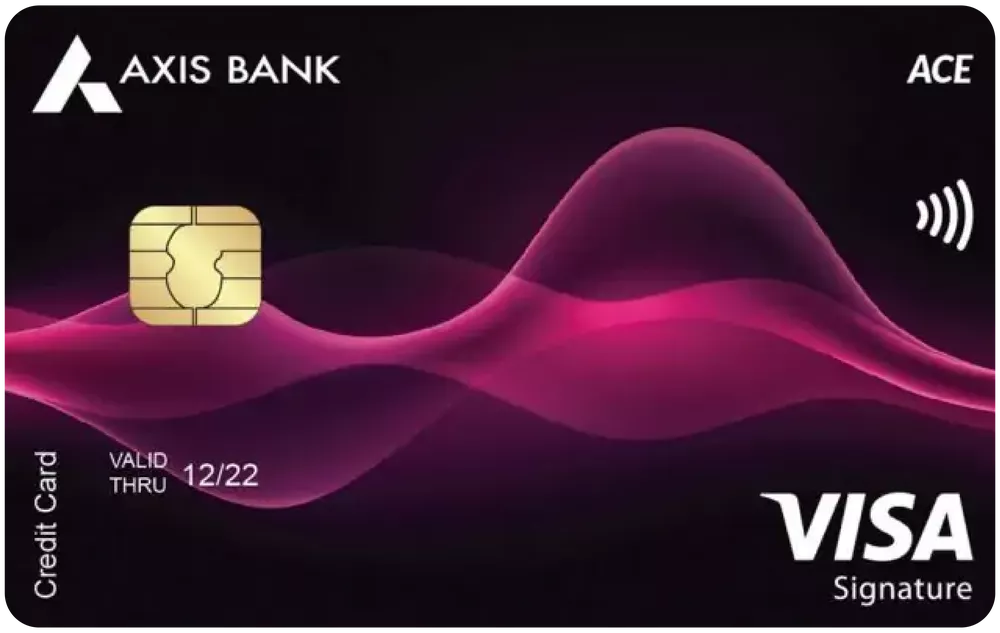





What "cashback" actually means on Indian credit cards
Before we name cards: not all cashback is the same, and it matters.
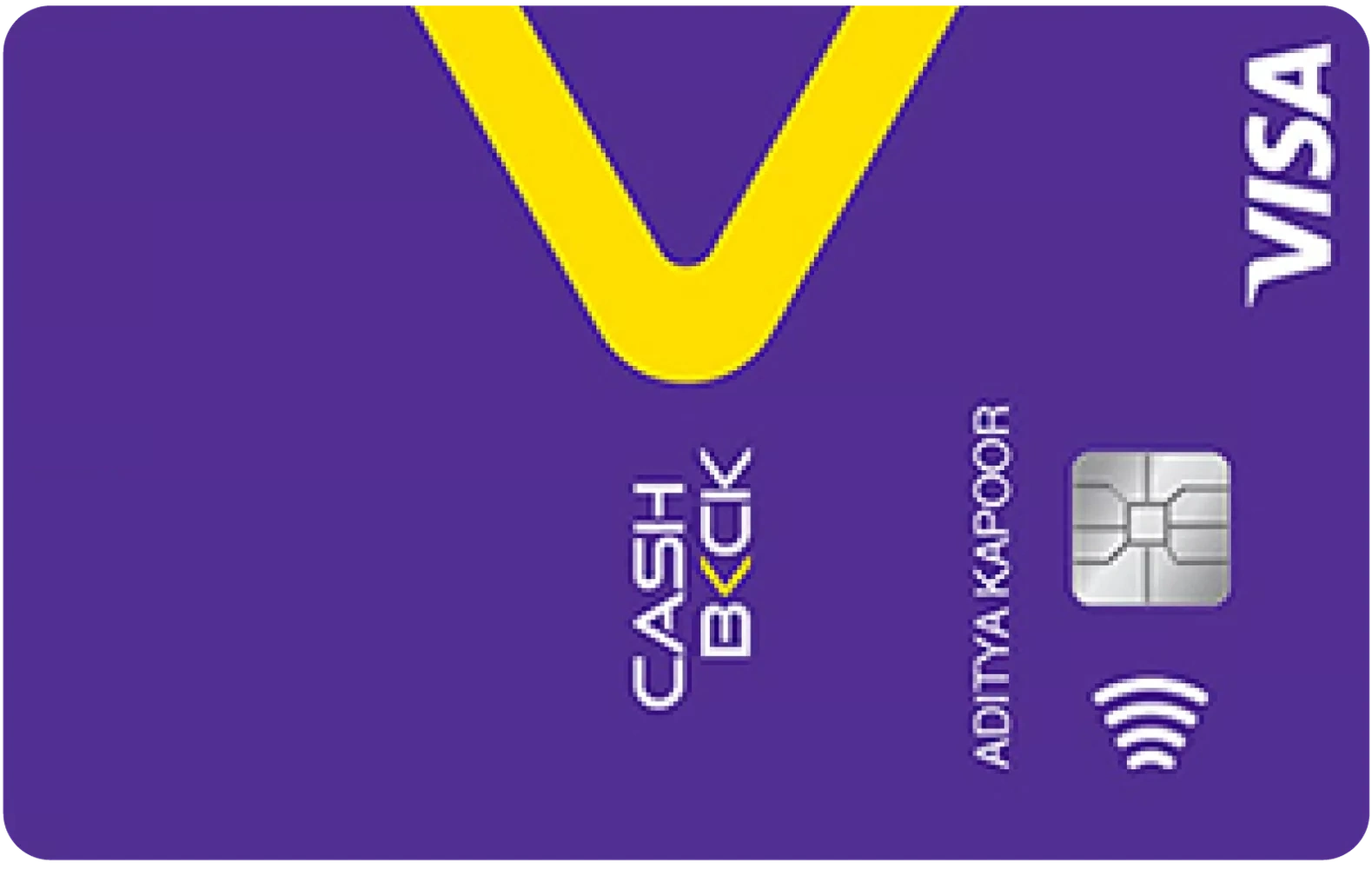
Statement credit — the bank directly reduces your outstanding bill. You don't do anything. SBI Cashback, Axis Ace, and HSBC Live+ work this way. This is the cleanest form.
Wallet balance — Amazon Pay ICICI credits cashback to your Amazon Pay balance. Spendable anywhere Amazon Pay is accepted. Real money, but ring-fenced.
CashPoints — HDFC Millennia gives CashPoints you have to manually redeem against your statement. Still straightforward, but one extra step between you and your money.
Also: almost every cashback card in India has a monthly cap. A card that offers 5% cashback with a ₹1,000/month cap is a 5%-up-to-₹20,000-monthly-spend card. Beyond that, you're earning zero percent. Know your cap before you apply.
The 5 best cashback credit cards in India (2026)
Axis Bank Ace Credit Card
Annual fee: ₹499 (waived on ₹2L annual spend)
The best all-rounder in the market right now. Its standout feature is 5% cashback on utility bill payments via Google Pay — and this rate is uncapped for GPay bill payments. Pay electricity, broadband, gas, and water through GPay, and you're consistently earning 5% back without hitting a ceiling.
On top of that: 4% on Swiggy, Zomato, and Ola. 2% on all other online spends. Direct statement credit.
Best for: Anyone who pays household bills and orders food delivery regularly. If you route everything through GPay, this card earns harder than any other in its fee range. Honest caveat: Heavy Amazon/Flipkart shoppers may prefer the Millennia.
SBI Cashback Credit Card
Annual fee: ₹999 (waived on ₹2L annual spend)
The most flexible cashback card in India. The rule is simple: 5% on all online spends, no merchant restrictions. Buy from Amazon, Nykaa, Mamaearth, your insurance portal, a random D2C brand — 5% back. No brand partnerships to track.
Monthly cap is ₹5,000 on cashback (the 5% applies on up to ₹1 lakh of monthly online spend — more than most people will ever hit). Direct statement credit.
Best for: Heavy online shoppers with no single platform loyalty. Honest caveat: No lounge access; offline spends earn only 1%.
HDFC Bank Millennia Credit Card
Annual fee: ₹1,000 (waived on ₹1L quarterly spend)
Five percent back on Amazon, Flipkart, Myntra, and HDFC-preferred platforms including Swiggy, Uber, and BookMyShow. The catch: cashback comes as CashPoints, not direct credit. You need to manually redeem them against your statement.
Best for: Amazon and Flipkart loyalists, especially during sale seasons. The quarterly spend waiver threshold (₹1L) is lower than SBI Cashback's annual ₹2L — easier to hit for moderate spenders. Honest caveat: CashPoints cap at ₹1,000/month on partner spends.
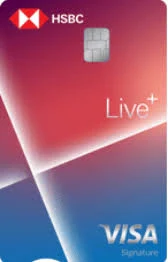
HSBC Live+ Credit Card
Annual fee: ₹999 (waived on ₹2L annual spend)
Highest single-category cashback rate in India: 10% on groceries and food delivery — BigBasket, Blinkit, Swiggy, and Zomato all qualify. Capped at ₹1,500/month (applies on up to ₹15,000 of monthly grocery + food delivery spend). Everything else earns 1.5% with no cap.
For a household spending ₹12,000/month on groceries and food delivery, that's ₹1,200 back every month — the ₹999 annual fee recovers in a single billing cycle.
Best for: Families with high grocery bills. Best paired with a general-purpose cashback card for other spends. Honest caveat: 1.5% on everything else is decent but not market-leading.
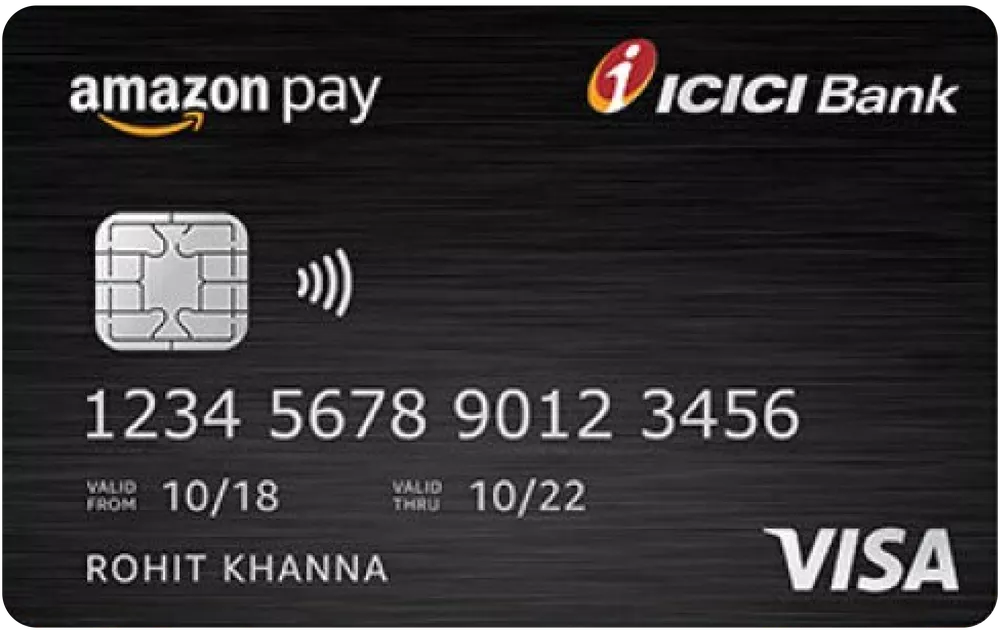
Amazon Pay ICICI Credit Card
Annual fee: Lifetime free
Three percent back on Amazon for Prime members. Two percent on Amazon Pay partner merchants. One percent on everything else. Cashback credited directly to your Amazon Pay balance. No annual fee means no ROI calculation.
Best for: Amazon Prime subscribers who want a no-fee card that just works. Also excellent as a second card — layer it for Amazon purchases and let your main card handle everything else. Honest caveat: Away from Amazon and Amazon Pay merchants, 1% is modest.
Side-by-side comparison
| Card | Annual Fee | Best Rate | On What | Monthly Cap | Cashback Type |
|---|---|---|---|---|---|
| Axis Bank Ace | ₹499 | 5% | GPay utility bills (uncapped); Swiggy/Zomato/Ola 4% | Uncapped on GPay bills | Statement credit |
| SBI Cashback | ₹999 | 5% | All online spends, no merchant restrictions | ₹5,000/month | Statement credit |
| HDFC Millennia | ₹1,000 | 5% | Amazon, Flipkart, select partners | ₹1,000/month | CashPoints → manual redeem |
| HSBC Live+ | ₹999 | 10% | Groceries + food delivery | ₹1,500/month | Statement credit |
| Amazon Pay ICICI | ₹0 | 3% | Amazon (Prime members) | No stated cap | Amazon Pay balance |
Want to run these numbers against your actual monthly spend? The CardCheck rewards calculator lets you plug in your real categories and see which card pays out most for your pattern.
Which card is right for your spend pattern?
You pay heavy household bills and order food delivery: Axis Bank Ace. The GPay utility integration is the cleanest uncapped offer in the market.
You shop online across 10 different apps and have no brand loyalty: SBI Cashback. Five percent, no merchant exclusions, direct statement credit.
You basically live on Amazon and Flipkart: HDFC Millennia. The platform concentration works in your favour.
Your household grocery + food delivery bill crosses ₹8,000/month: HSBC Live+. At that spend level, 10% makes the maths obvious.
You want a no-fee card that pays for itself: Amazon Pay ICICI. Lifetime free, instant approval for Prime members, immediate cashback.
You're a first-time cardholder and don't want to overthink it: Amazon Pay ICICI to start, add Axis Ace once your spending patterns settle.
Not sure which bucket you're in? The one-minute card quiz asks five questions and gives you a recommendation based on your answers.
The cap problem: why 5% doesn't always mean 5%
Cards advertise the rate. The cap is where the real return lives.
Quick example with HDFC Millennia: 5% on partner spends, capped at ₹1,000/month. That ceiling is hit at ₹20,000 of partner platform spend per month. Above that, you earn nothing on partners.
Compare: SBI Cashback's ₹5,000/month cap kicks in at ₹1 lakh of online spend. That limit is irrelevant for most people.
The break-even formula for annual fee cards:
> Annual fee ÷ cashback rate in your primary category = spend needed to cover the fee
For SBI Cashback (₹999 fee, 5% online): you need ₹19,980 in annual online spend — about ₹1,660/month — to just break even. Most active online shoppers clear that in a few weeks.
What cashback cards don't cover
Across every card on this list, these categories are excluded from cashback calculations:
- Rent via payment aggregators — NoBroker, RedGiraffe, and similar services are coded as "payment aggregator" transactions. Most banks exclude them. Verify in the MITC before counting on rent cashback.
- Fuel — Most cashback cards offer a 1% surcharge waiver on fuel, not cashback. These are different things.
- Wallet loads and prepaid card top-ups — Topping up Paytm, PhonePe wallet, or gift cards typically earns nothing.
- EMI conversions — Transactions converted to EMIs after purchase are often excluded from cashback accrual at the original merchant rate.
- International transactions — Most cashback cards charge a 3–3.5% forex markup. If you spend internationally, pair your cashback card with a dedicated zero-forex card.
How to get the most out of a cashback card
The single most effective habit: run your high-frequency, recurring spend through the card that pays most in that category.
- Utilities and bills → Axis Ace via GPay
- Grocery delivery → HSBC Live+
- Amazon purchases → SBI Cashback or Amazon Pay ICICI (compare against your monthly Amazon volume)
- Everything else → whichever card has the best flat rate for your fee tier
One card rarely wins every category. The best cashback strategy is usually a 2-card combination: one specialist (HSBC Live+ for groceries, Axis Ace for bills) and one all-online fallback (SBI Cashback). The rewards calculator lets you model that combination with your actual numbers.
FAQ
- Which cashback credit card gives the highest cashback rate in India?
HSBC Live+ offers 10% on groceries and food delivery — the highest single-category rate currently available on a mainstream card. For all online spends with no merchant restriction, SBI Cashback at 5% is unmatched.
- Is cashback credited to my bank account or card statement?
Not usually. SBI Cashback, Axis Ace, and HSBC Live+ credit directly to your card statement (reducing your bill). Amazon Pay ICICI credits to your Amazon Pay wallet. HDFC Millennia gives CashPoints you redeem manually. No card on this list deposits rupees into your savings account.
- Can I earn cashback on rent payments in India?
Generally no. Rent payments via NoBroker, RedGiraffe, or similar aggregators are classified as payment aggregator transactions. Most banks exclude these. Always check your card's MITC before counting on rent cashback.
- Is there a lifetime-free cashback card worth using?
Yes — the Amazon Pay ICICI Credit Card is lifetime free and gives 3% on Amazon for Prime members. Returns are modest outside Amazon (1–2%), but with no annual fee to recover, any cashback is pure gain. Works well as a second card.
- How do I know if a cashback card's annual fee is worth it?
Divide the annual fee by your cashback rate in the primary category. SBI Cashback: ₹999 ÷ 5% = ₹19,980 in annual online spend to break even. Most active online shoppers hit that in 2–3 months. Use the CardCheck calculator to model your specific numbers.
- Do cashback cards work for international travel?
No — most cashback cards carry a 3–3.5% forex markup, which erases any cashback earned abroad. If you travel internationally more than once a year, carry a dedicated zero-forex card alongside your cashback card.
Cards in this comparison
Compare now
Vineet Verma
Lead AnalystLead Financial Researcher & Credit Card Analyst at CardCheck
Vineet specializes in Indian retail banking terms, reward point economics, and MITC verification. Every insight is audited against official bank filings.