

Indian issuers rarely sell a product labelled “student credit card.” In practice, students usually get credit through three routes: a supplementary (add-on) card on a parent’s account, a secured card against fixed deposit where approval leans on collateral rather than salary slips, or an entry-level unsecured card if you meet a modest published income floor (for example part-time work, stipends, or family support documented per the bank’s process).
This guide lists concrete products in the issuer-published disclosures that fit the “thin file / low income / no traditional salary proof” brief, with real fees and earn rates as we capture them from issuer disclosures — not made-up percentages. Eligibility is still bank-decided; use our card directory and the issuer’s live application journey before you apply.
Cards in this comparison (6)


IDFC FIRST WOW! Credit Card
FD-secured beginners — lifetime free, 0% forex, FIRST Coins (incl. up to 4X on eligible spends)
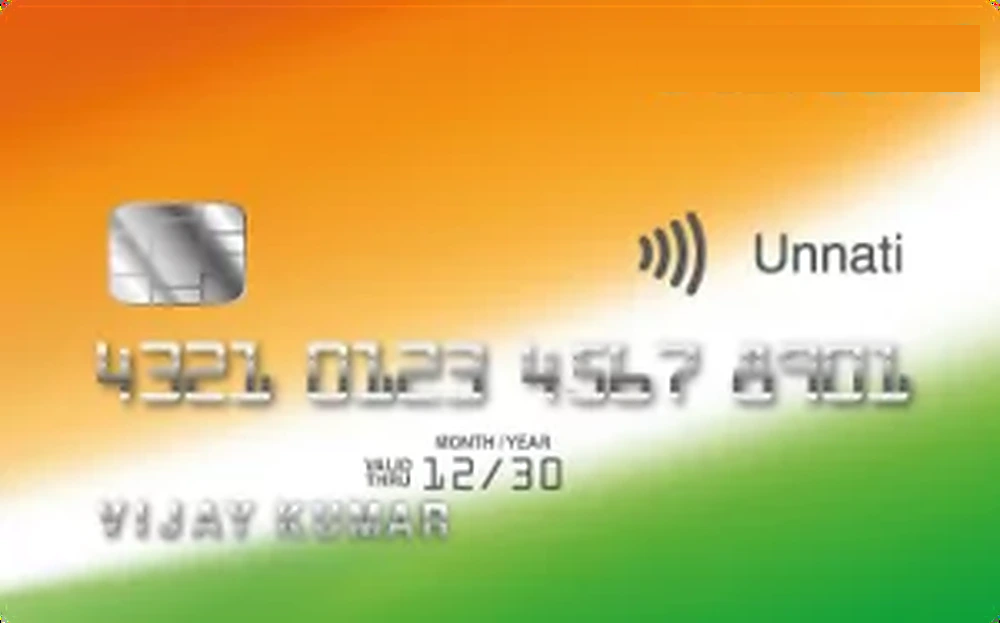

SBI Unnati Credit Card
Building credit — secured card against SBI fixed deposit, 1% cashback
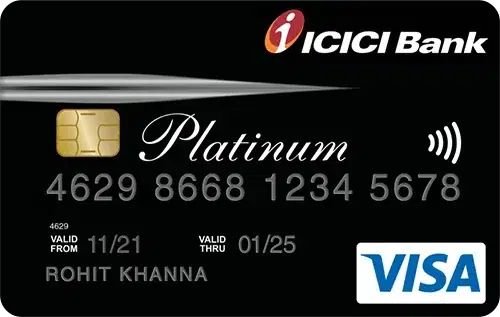

ICICI Bank Platinum Chip Credit Card
First Credit Card
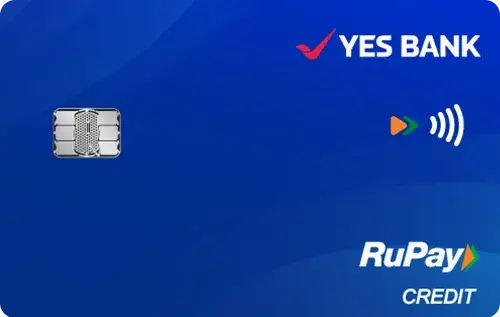
YES Bank RuPay Credit Card
Free RuPay credit card — UPI credit payments + 1% cashback on all spends
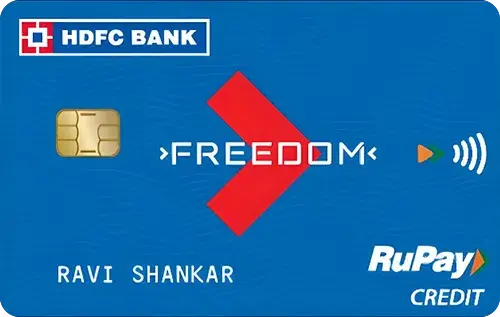

HDFC Bank Freedom Credit Card
Grocery & Bills
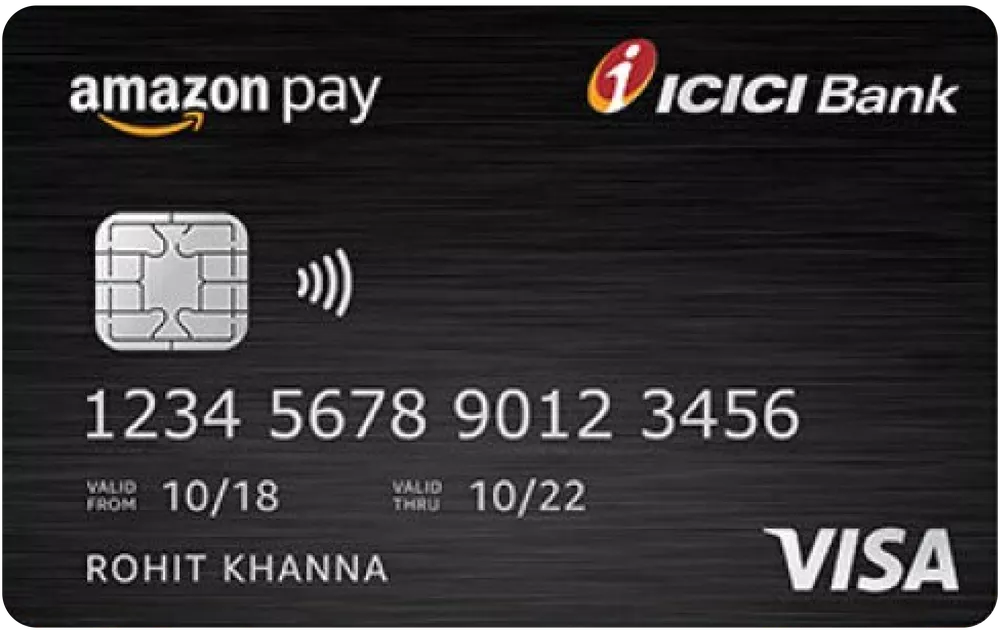
Amazon Pay ICICI Bank Credit Card
Rewards on Amazon Purchases
1) Secured cards — collateral instead of income proof
These cards are the closest match to “no income proof” in a document sense: approval is tied to a fixed deposit you place with the same bank (or group), and your limit is typically linked to that deposit.
IDFC FIRST WOW! — In our data: lifetime-free (₹0 joining, ₹0 annual), 0% forex markup on international transactions, FIRST Coins on spends with up to 4X on eligible categories per the bank’s programme T&Cs, ages 18–70, and no minimum income / CIBIL floor in the catalog (FD-backed path). Finance charges on overdue balances can reach up to about 46.2% p.a. per the published MITC band we store — always pay the statement in full by the due date.
SBI Card Unnati — In our data: secured against SBI fixed deposit with a ₹25,000 minimum deposit to apply, 1% cashback on eligible retail spends, no credit-score requirement in the secured positioning we capture, and first-year through fourth-year annual fee waived if there is no default (fee rules per issuer). Credit limit is capped around the FD amount.
Confirm minimum FD amount, lien terms, and reward exclusions on each bank’s website before you lock money in.
2) Lifetime-free starters with modest published income floors
If you have some declared income (including many part-time / starter situations banks accept), several ₹0 annual fee products in our database carry published minimums around ₹15,000–₹25,000 per month and CIBIL floors around 650 — far below premium cards.
ICICI Bank Platinum Chip — ₹0 joining and annual fee; 2 ICICI Reward Points per ₹100 on retail spends (we record ~0.5% effective when points are valued at ₹0.25 each in redemption examples); minimum age 18; minimum income ₹15,000/month; minimum CIBIL 650; 3.5% forex markup; 41.88%–42% p.a. APR band in issuer-sourced fields.
YES Bank RuPay Credit Card — Lifetime free; 1% cashback on eligible retail spends; UPI-linked (credit-on-UPI on supported apps); minimum age 18; minimum income ₹15,000/month; minimum CIBIL 650.
IDFC FIRST Classic — ₹0 joining and annual fee; 3X FIRST Coins per ₹150 on online spends and 1X per ₹150 offline in our benefit lines; interest rates starting from 9% p.a. up to 42% p.a. in the range we store; 1.5% forex markup; minimum age 21; minimum income ₹15,000/month; minimum CIBIL 650.
Amazon Pay ICICI Bank — Lifetime free; 5% cashback on Amazon.in for Prime and 3% for non-Prime (no monthly cap in our data), 2% on Amazon Pay partner merchants, 1% on other eligible spends; minimum age 18; minimum income ₹25,000/month; minimum CIBIL 750 — a stronger rewards option if you already shop heavily on Amazon and meet the higher score floor.
3) Low-fee cards with clearer “everyday” rewards
If you can hit simple annual spend waivers, a small fee card can outperform pure flat-rate starters on dining, groceries, and bills.
Kotak 811 #DreamDifferent — ₹0 joining fee; ₹500 annual fee waived on ₹50,000 annual spend in our data; 2 Kotak Reward Points per ₹100 on utility bill payments and 1 point per ₹150 on other eligible retail spends (points valued at ₹0.25 in worked examples → about 0.5% on utilities and ~0.17% base on others before caps/exclusions); minimum age 21; minimum income ₹15,000/month; minimum CIBIL 650.
HDFC Bank Freedom — ₹500 joining and annual fee with waiver on ₹50,000 annual spend; 5 CashPoints per ₹150 on dining, groceries, movies, and railway tickets (10 per ₹150 in birthday month on eligible spends), 1 CashPoint per ₹150 elsewhere; CashPoints worth ₹0.20 toward statement credit (₹1 toward SmartBuy in our notes); minimum age 21; minimum income ₹20,000/month; minimum CIBIL 680; 3.5% forex markup.
Supplementary (add-on) cards — often the first “real” card for minors
Most large issuers offer add-on credit cards to family members of a primary cardholder. The credit limit is shared with the primary account, and KYC / eligibility are governed by the primary’s relationship with the bank — not a separate salary proof requirement for the student in many cases. This is not a specific product in our JSON catalog, but it is the most common on-ramp for full-time students under 21 (our database shows many first cards with minimum age 21).
If you are under the bank’s minimum age for a primary card, ask your issuer whether an add-on is available on the parent’s account and what spend controls they offer.
How to use CardCheck next
- Open any linked card above for full benefit lines, exclusions, and fees as stored from issuer sources.
- Use the Rewards calculator with your own monthly spends instead of a generic “student budget.”
- Compare two products side-by-side from Compare when you shortlist an FD card versus a low-income unsecured card.
FAQ
- Can students get a credit card without any income proof in India?
Sometimes. The most reliable paths are a secured card against fixed deposit (for example products like IDFC FIRST WOW! or SBI Unnati in our data) or a supplementary card on a parent’s account. Unsecured “starter” cards still list minimum income and CIBIL in bank disclosures — we quote those exact floors from our catalog above.
- Which option gives the best rewards for students?
It depends on spend. For heavy Amazon.in users who meet ₹25,000/month income and 750+ CIBIL in our data, Amazon Pay ICICI has the highest headline cashback on that wallet. For dining and groceries, HDFC Freedom carries stronger category earn rates but has a ₹500 fee unless you hit ₹50,000 annual spend. Run your own numbers in the calculator.
- Are these rupee values guaranteed?
No. Rewards depend on merchant category codes, exclusions, and issuer promotions. We surface published rates and fees; your statement is the final word.
- What if I am under 21?
Many primary cards in our database use minimum age 21. Below that, issuers typically steer applicants to an add-on card or wait until age eligibility is met — confirm with the bank.
Cards in this comparison (6)
IDFC FIRST WOW! Credit Card
FD-secured beginners — lifetime free, 0% forex, FIRST Coins (incl. up to 4X on eligible spends)
SBI Unnati Credit Card
Building credit — secured card against SBI fixed deposit, 1% cashback
ICICI Bank Platinum Chip Credit Card
First Credit Card
YES Bank RuPay Credit Card
Free RuPay credit card — UPI credit payments + 1% cashback on all spends
HDFC Bank Freedom Credit Card
Grocery & Bills
Amazon Pay ICICI Bank Credit Card
Rewards on Amazon Purchases

Vineet Verma
Lead AnalystLead Financial Researcher & Credit Card Analyst at CardCheck
Vineet specializes in Indian retail banking terms, reward point economics, and MITC verification. Every insight is audited against official bank filings.