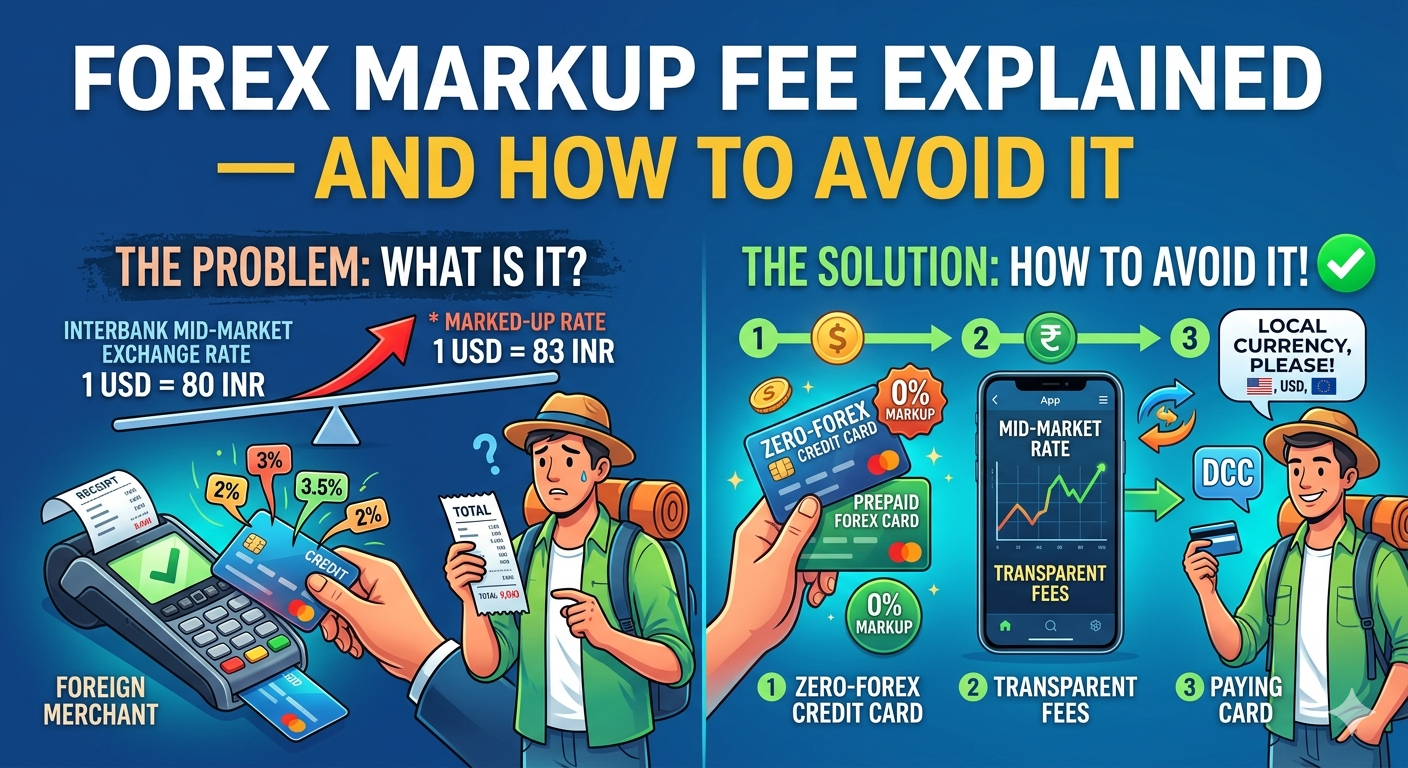
You boarded the plane. You posted the sunset.
Then that ₹ settlement line landed with an FX haircut you did not put in the Instagram reel.
Forex markup is the issuer’s published cut for turning foreign‑currency spends into ₹. Plenty of mainstream cards still park around 3.5% plus GST on that fee. A narrower batch — pulled from our CardCheck ingestion on 2026-05-10 — shows 0% surcharge on that MITC row.
Below: what markup means, why it rarely matches Google, how GST stacks, why DCC is the sneaky surcharge at the kiosk, plus a living table of zero‑fee listings you can sanity‑check airport-side.
No carousel replaces your bank PDF. Most Important Terms and Conditions still own the trivia night.
RBI publishes consumer FAQs on credit cards worth skimming once a year.
Browse cards for stacked filters, or read how airport lounges differ from forex if your trip hinges on lounge coffee and clean FX.
Cards in this comparison
Compare now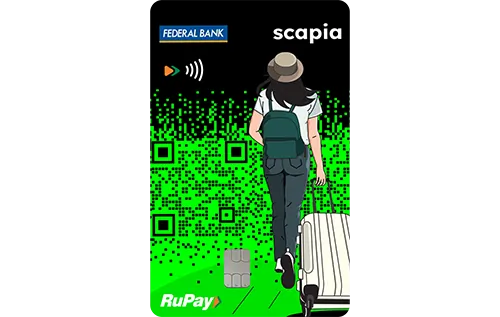

Scapia Federal Bank Credit Card
Annual fee: ₹0
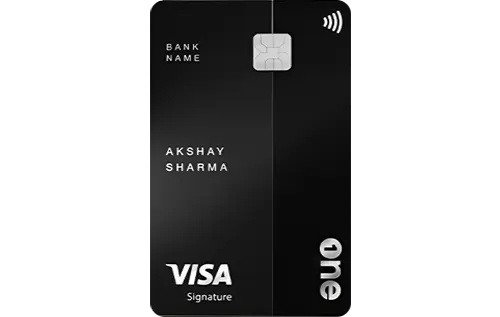

OneCard Metal Credit Card
Annual fee: ₹0


IDFC FIRST WOW! Credit Card
Annual fee: ₹0

IDFC FIRST Wealth Credit Card
Annual fee: ₹0

YES Bank RuPay Credit Card
Annual fee: ₹0
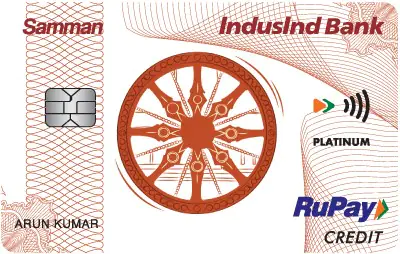

IndusInd Bank Samman RuPay Credit Card
Annual fee: ₹0
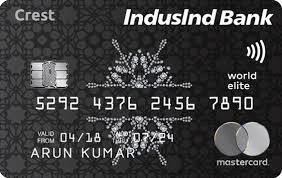
IndusInd Bank Crest Credit Card
Annual fee: ₹50,000
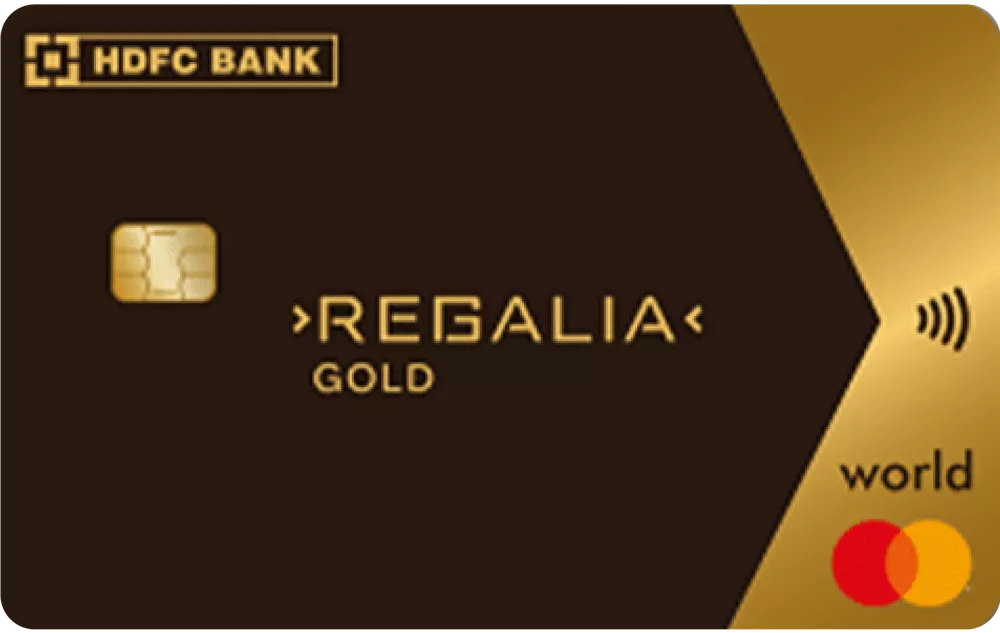

Regalia Gold Credit Card
Annual fee: ₹2,500
Forex markup, without the jargon
When Visa, Mastercard or RuPay steer a foreign swipe home, ₹ rarely prints at whatever mid-market widget you Googled on hotel Wi‑Fi.
Your issuer still records a foreign-currency markup percentage inside MITC. That’s their headline processing spread—parallel to interchange tables you never see at the tap-to-pay screen.
International ATM pulls are another animal: expect cash-advance fees stacked next to FX lines if you lean on the wrong terminal.
Our catalogue spans 1.5% private-bank oddities, 3%–3.5% mass-market rewards workhorses, and the 0% roster you’ll table in a minute.
Why the posted ₹ still loses to your FX tab
Reference wholesale quotes, network spreads, and issuer buffers all happen before your statement narrates the trip.
Dynamic Currency Conversion (DCC) is the separate headache: say “yes” to bill in ₹ abroad and the merchant’s terminal injects another conversion story before your bank even speaks.
Ask for local currency politely—AUD, AED, GBP—so the issuer path stays the one you already budgeted.
GST hugs the issuer fee—not the latte subtotal
Napkin math for a textbook 3.5% issuer fee: multiply that slice by (1 + 18%) ⇒ about 4.13% on the fee component, not eighteen percent on your Phuket dinner.
Until your HDFC · ICICI · whoever posts the granular levy line, assume examples are illustrative.
Best zero forex credit cards in India (CardCheck snapshot)
Cards below show 0% forex markup in CardCheck data on 2026-05-10. Annual fees still swing from free to ₹50k—click each row before waving plastic at customs.
| Card (linked) | Forex markup | Renewal fee snapshot | Notes |
|---|---|---|---|
| HSBC Premier Credit Card | 0% | None in snapshot | Premier-style product — confirm eligibility tiers before budgeting on perks. |
| IDFC FIRST Wealth Credit Card | 0% | None in snapshot | Issuer PDF still wins if promo waivers change mid-season. |
| IDFC FIRST WOW! Credit Card | 0% | None in snapshot | Issuer PDF still wins if promo waivers change mid-season. |
| IndusInd Bank Samman RuPay Credit Card | 0% | None in snapshot | RuPay international acceptance still maturing vs Visa/MC — check merchants on your route. |
| OneCard Metal Credit Card | 0% | None in snapshot | Issuer PDF still wins if promo waivers change mid-season. |
| Scapia Federal Bank Credit Card | 0% | None in snapshot | Issuer PDF still wins if promo waivers change mid-season. |
| YES Bank RuPay Credit Card | 0% | None in snapshot | RuPay international acceptance still maturing vs Visa/MC — check merchants on your route. |
| IndusInd Bank Crest Credit Card | 0% | ₹50,000 | Ultra‑premium positioning in catalogue; ₹50,000 renewal in snapshot — verify MITC. |
Campaigns mutate quarterly; waiver math can evaporate faster than Duty Free chocolate.
Three personalities worth unpacking
Scapia Federal Bank Credit Card
Nomad-branded challenger, free renewal in snapshot, zero FX headline. Pair lounge unlocks against spend gates if you insist on latte art before boarding—not every perk auto-triggers.
OneCard Metal Credit Card
Metal flex with issuer-listed 0% FX — still chase reward quirks offline.
IDFC FIRST WOW! Credit Card
IDFC WOW keeps lifetime-free positioning alongside posted zero surcharge. Domestic quirks (UPI/card routing) deserve the same nerd energy you lavish on baggage allowance.
“Zero markup” ≠ zero surprises
- Invisible spreads can hide inside reference rates—you still reconcile real ₹ postings.
- ATM cash often drags unrelated advance fees—read Chapter Cash Advance.
- DCC INR prompts reinvent FX mid swipe.
- Ultra-premium zero-FX shells (IndusInd Bank Crest Credit Card) may charge ₹50,000/year renewal in our snapshot.
- Bench against low-but-not-zero lounges (HDFC Bank Regalia Gold Credit Card at 2%, Axis Bank Magnus Credit Card 2%) when miles + lounges justify the skim.
Abroad checklist (beyond the plastic)
- Pick local POS currency—decline ₹ conversion at the keypad.
- Ping travel notices in issuer apps before flights so OTP chains don´t trip antifraud melodrama.
- Carry sanctioned cash backup RBI-style— submarine cables owe you nothing.
- Screenshot MITC FX + ATM sections offline so airport Wi‑Fi can´t gaslight.
Model rupees before your baggage disappears
Stack probable spends into Rewards calculator to see cashback left after FX dust settles.
- Card roast — trims marketing fluff (politely)
- Eligibility checker — income realism without LinkedIn cosplay
- Recommendation quiz — two minutes, less drama than Reddit threads
Disclaimer
CardCheck ingests disclosed issuer metrics into cards.json snapshots. MITC updates between refreshes supersede dashboards.
Education only—not RBI adjudication, issuer binding advice, tax guidance, or investment counsel.
FAQ
- Is 3.5% forex markup the default Indian banks quote?
Common, not cosmic law. Plenty of ₹0 listings exist (see table). Benchmark mass cards such as Amazon Pay ICICI Bank Credit Card sit near 3.5% in our ingestion—premium lines often glide toward 2% until marketing moves.
- Does GST slap my sushi subtotal?
Typically GST lands on issuer fee components—not every rupee of omakase. Inspect GST line items beside FX fees on PDF statements.
- Is zero forex markup identical to Mastercard’s “foreign transaction” line?
Networks can still carry assessments separate from issuer markup. MITC isolates the lender’s percentage—you still reconcile full ledger debits.
- RuPay vs Visa/Mastercard for holidays?
RuPay rails are widening—international acceptance still patchier than dual-network classics. Pack backup plastic for Michelin-adjacent towns.
- What if HDFC edits Regalia perks overnight?
Re-open MITC each quarter—especially waiver math. Article snapshot: 2026-05-10.
- Can I escalate to RBI if the issuer ghosts me?
Finish bank-side escalation first, then follow RBI Integrated Ombudsman / CMS guidance if timelines collapse.
Cards in this comparison
Compare nowScapia Federal Bank Credit Card
Annual fee: ₹0
OneCard Metal Credit Card
Annual fee: ₹0
IDFC FIRST WOW! Credit Card
Annual fee: ₹0
IDFC FIRST Wealth Credit Card
Annual fee: ₹0
YES Bank RuPay Credit Card
Annual fee: ₹0
IndusInd Bank Samman RuPay Credit Card
Annual fee: ₹0
IndusInd Bank Crest Credit Card
Annual fee: ₹50,000
Regalia Gold Credit Card
Annual fee: ₹2,500