
Your renewal SMS says ₹999 + GST and you swear you spent enough last year to earn a waiver. The bank disagrees. Welcome to Indian credit card annual fees — where the waiver line exists in the brochure but the measurement window, eligible spend types, and renewal timing live in the MITC fine print.
This guide explains how spend-based fee waivers actually work, which major issuers publish thresholds in our catalogue (snapshot 2026-05-21), and what to do when you are close but not quite there. Numbers below come from CardCheck issuer-aligned fields — always confirm the current schedule of charges / MITC on your bank’s site before planning spend.
Quick answer: most mid-tier Indian cards waive the annual fee if you hit ₹1 lakh–₹2 lakh of eligible retail spend in a card year; premium cards often need ₹4 lakh–₹15 lakh. Lifetime-free cards skip the game entirely.
Cards in this comparison (6)
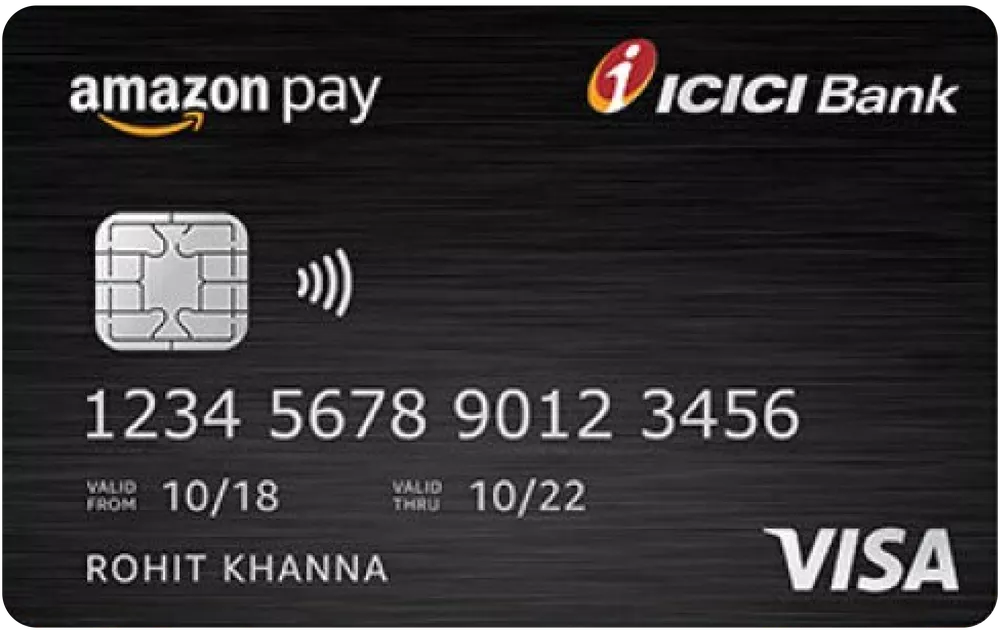

Amazon Pay ICICI Bank Credit Card
Rewards on Amazon Purchases

HDFC Millennia Credit Card
online shoppers
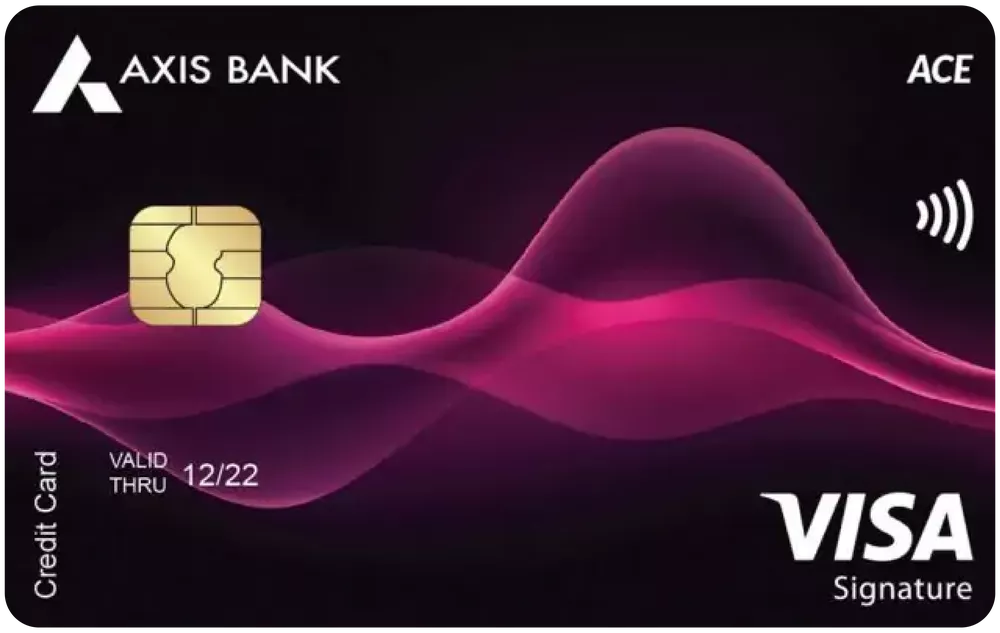

ACE Credit Card
Cashback on utility bills via Google Pay and daily spending
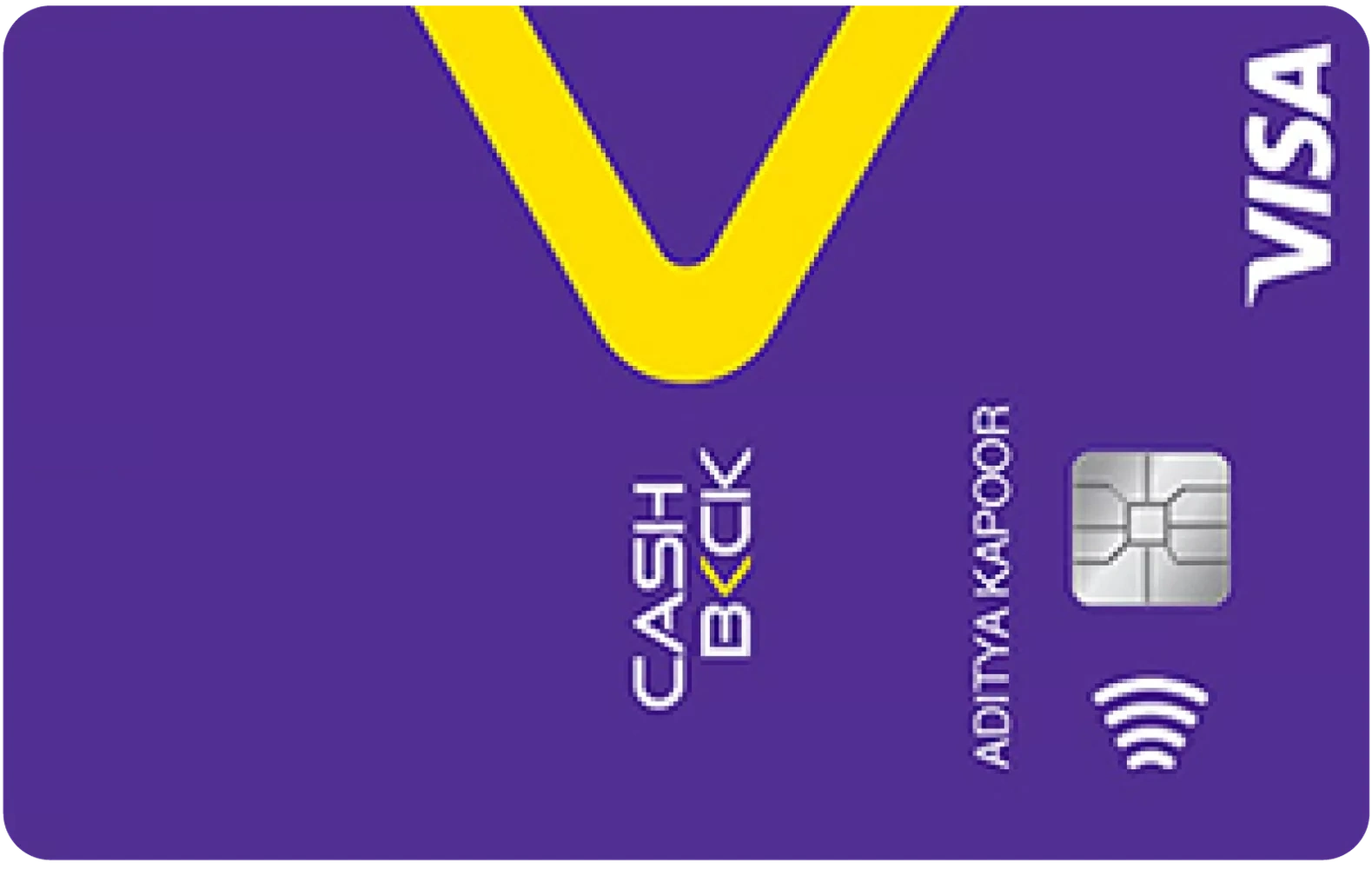

CASHBACK SBI Card
Online cashback
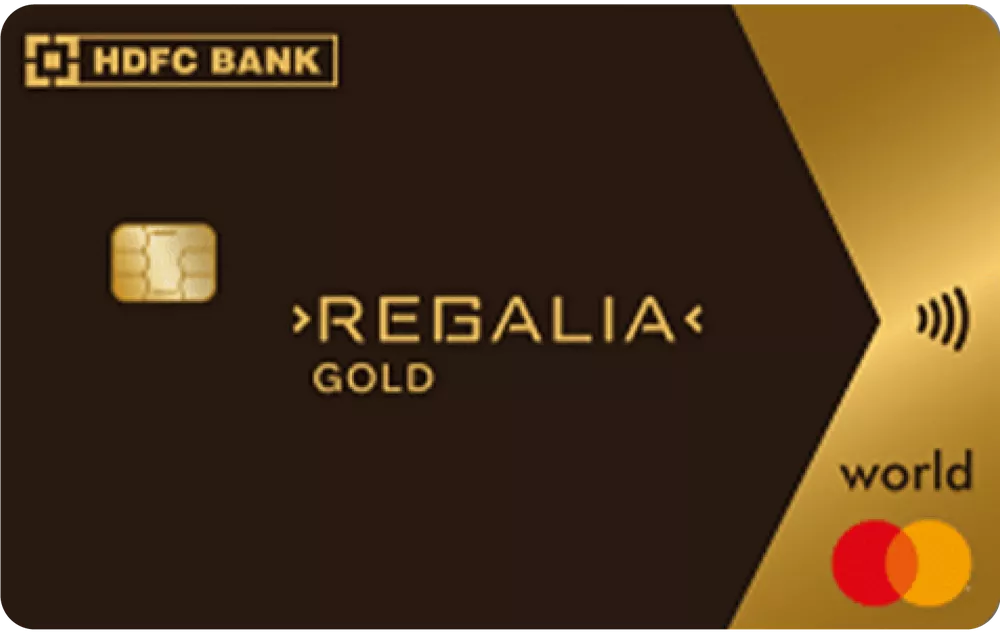
Regalia Gold Credit Card
Travel rewards
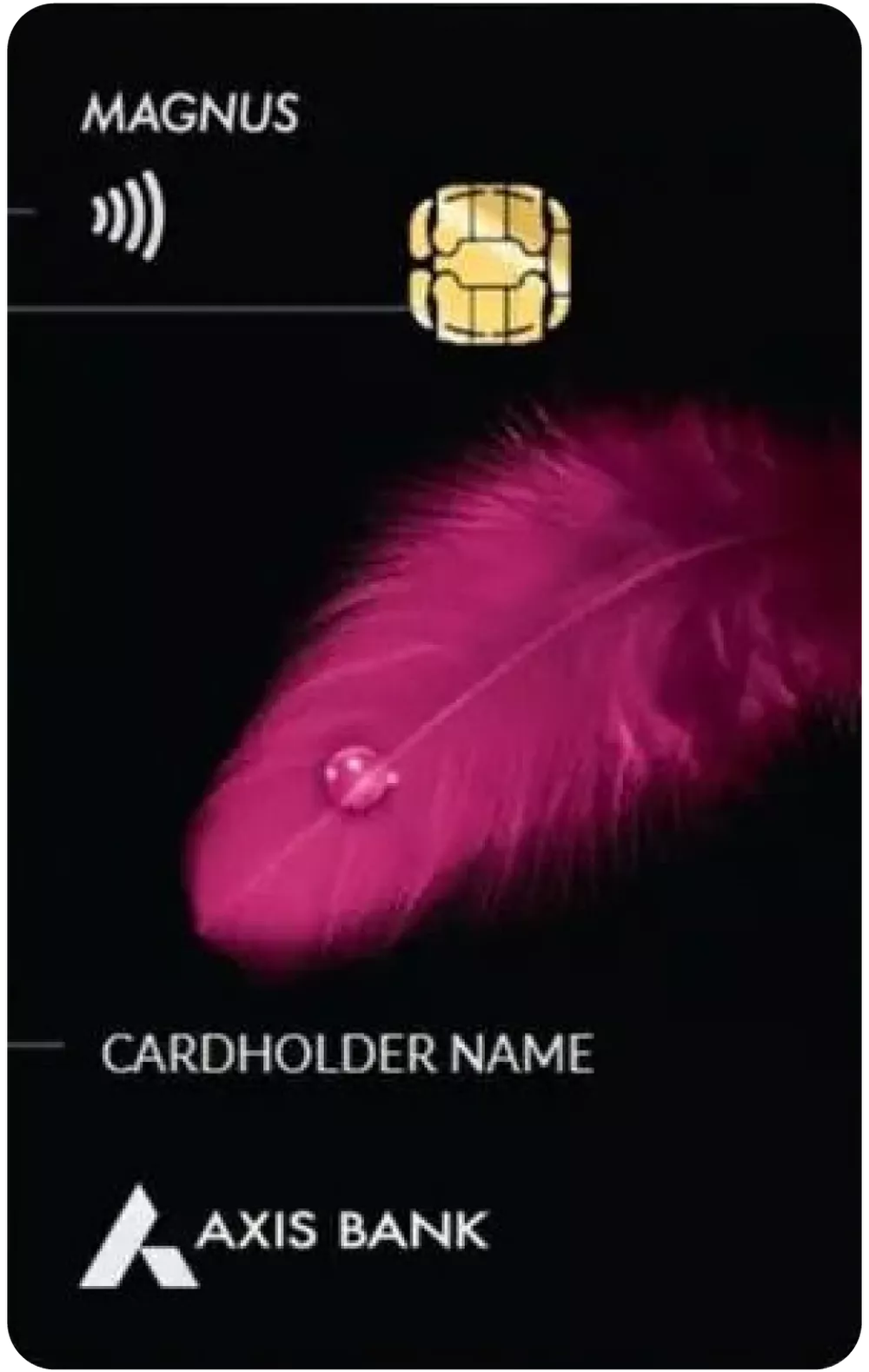
Magnus Credit Card
Travel & Lifestyle
Joining fee vs annual fee — and why GST matters
Joining fee is charged once when the card is issued. Annual fee (sometimes called renewal fee) hits every year on your membership anniversary unless waived.
Both attract 18% GST on top of the printed fee. A ₹999 annual fee becomes ₹1,178.82 on your statement if the waiver does not trigger.
Waivers usually apply to the annual/renewal fee line, not always the joining fee. Some issuers bundle “first year free” as a promotion — that is marketing, not the same as a lifetime waiver rule.
How spend-based waivers work
Most Indian issuers use a simple promise: spend ₹X in a membership year → next year’s annual fee is ₹0 (or credited back after charge).
What varies by bank:
- Measurement window — card anniversary year vs calendar year vs “previous 12 months before renewal date”.
- Eligible transactions — retail swipes usually count; rent via aggregators, wallet loads, EMI principal, cash advance, and some government payments often do not.
- Automatic vs manual — many waivers post automatically; others need you to call if the system misses it.
RBI’s consumer credit-card FAQs remind cardholders that fees and charges must be disclosed upfront in the Most Important Terms and Conditions — that PDF is the authoritative source when a blog table and your statement disagree.
Spend thresholds by major issuer (2026 catalogue snapshot)
Below: lowest and most common published waiver targets among paid cards in CardCheck’s catalogue for each issuer. Individual cards can differ — open the card page or MITC for yours.
| Issuer | Typical annual fee range (paid cards) | Common waiver spend targets in catalogue |
|---|---|---|
| HDFC Bank | ₹99 – premium metal tiers | ₹25,000 (entry RuPay/UPI), ₹50,000, ₹1 lakh, ₹2 lakh, up to ₹10 lakh on invite-only lines |
| SBI Card | ₹250 – super-premium | ₹50,000, ₹1 lakh, ₹2 lakh, ₹3 lakh, up to ₹10 lakh |
| ICICI Bank | ₹499 – premium metal | ₹1 lakh, ₹1.5 lakh, ₹2 lakh, ₹4 lakh, ₹6 lakh, ₹15 lakh |
| Axis Bank | ₹250 – Magnus tier | ₹50,000, ₹1 lakh, ₹2 lakh, ₹3 lakh, ₹6 lakh, ₹15 lakh |
| Kotak / RBL / BOBCARD | mostly ₹399 – ₹2,500 | often ₹50,000 – ₹3 lakh depending on card |
| HSBC | ₹999 – travel premium | ₹2 lakh, ₹4 lakh, ₹12 lakh |
| Amex India | ₹495 – ₹10,000 | ₹40,000 (SmartEarn tier), ₹90,000 (MRCC); premium lines often no published waiver |
Across the full catalogue: 102 paid cards carry a numeric waiver field; 16 paid cards show no waiver target (negotiate, downgrade, or accept the fee). 19 cards are lifetime free (₹0 joining + ₹0 annual in our snapshot).
Example cards at each waiver tier
Use these as anchors — then open your exact card on CardCheck for fees, exclusions, and apply links.
Amazon Pay ICICI Bank Credit Card
Annual fee: ₹0 / ₹0 (lifetime free in issuer copy). No waiver maths needed — best baseline if you want zero renewal risk. Cashback still has category exclusions in MITC.
HDFC Bank Millennia Credit Card
Annual fee: ₹1,000. Waiver target: ₹1 lakh eligible annual spend in our catalogue — one of the lowest thresholds among mainstream reward cards. Useful if you already route Amazon/Flipkart/Swiggy partner spend through it.
Axis Bank ACE Credit Card
Annual fee: ₹499. Waiver target: ₹2 lakh annual spend. Pair with GPay utility cashback; waiver equals roughly ₹16,700/month average eligible spend across the card year.
CASHBACK SBI Card
Annual fee: ₹999. Waiver target: ₹2 lakh annual spend. At 5% online cashback (capped), the fee is small relative to earn — but only if your spend is eligible under SBI’s cashback T&Cs.
HDFC Regalia Gold Credit Card
Annual fee: ₹2,500. Waiver target: ₹4 lakh annual spend in our snapshot. Lounge + SmartBuy travellers often clear this; occasional users should run the maths before holding long term.
Axis Bank Magnus Credit Card
Annual fee: ₹12,500. Waiver target: ₹15 lakh annual spend. High bar — makes sense only if lounge + EDGE Miles redemptions justify the fee even if you miss waiver by a margin.
Compare any two picks side by side on CardCheck Compare.
Spend that often does NOT count toward waiver
Issuer MITCs commonly exclude or restrict:
- Rent paid via third-party aggregators (NoBroker, RedGiraffe-style MCCs).
- Wallet loading and prepaid instrument top-ups.
- Cash advance and EMI conversion balances (varies — check yours).
- Fuel (sometimes counted for surcharge waiver but not annual-fee waiver).
- Government / tax payments on some programmes.
ICICI and other issuers have tightened rules in 2025–2026 press cycles around rent and education counting toward benefits — treat any blog summary as stale until you read the current MITC PDF for your card variant.
Missed the threshold? Three realistic options
1. Retention call (30–60 days before renewal) — Ask for a one-time fee waiver or bonus points. Success varies by tenure and spend history; polite persistence helps. No guarantee.
2. Product downgrade — Move to a lower-fee or lifetime-free variant in the same bank (e.g. co-brand → plain cashback) if your spend profile no longer fits.
3. Close or stop using — If fee > expected value and waiver is unreachable, browse lifetime-free options or cards whose waiver you already hit naturally. Avoid keeping a ₹12,500 fee card “just because”.
Do not manufacture spend (refund cycling, fake transactions) — issuers monitor patterns and it can trigger compliance review.
Break-even: is chasing the waiver worth it?
Divide the annual fee (incl. GST) by your effective reward rate on spend that both earns rewards and counts toward waiver.
Example: ₹999 + 18% GST ≈ ₹1,179. At 2% effective return, you need ~₹58,950 of incremental eligible spend just to break even on the fee — before counting time/opportunity cost of forcing spend.
If you naturally spend ₹2 lakh/year on a SBI Cashback-style card, the ₹2 lakh waiver threshold is a free side effect. If you spend ₹80,000, paying the fee may be cheaper than artificial spend.
Model your own categories in the Rewards Calculator — toggle annual fee and waiver fields where available on card pages.
FAQ
- What is the most common annual fee waiver spend threshold in India?
In CardCheck’s May 2026 catalogue, the densest cluster for mainstream cards is ₹1 lakh and ₹2 lakh annual eligible spend (HDFC Millennia, SBI SimplyCLICK, Axis ACE, SBI Cashback, many co-brands). Entry cards sometimes waive at ₹50,000; premium cards scale to ₹4 lakh–₹15 lakh.
- Does rent payment count toward annual fee waiver?
Often no when rent is routed through payment aggregators — many issuers exclude those merchant category codes from benefit and waiver calculations. Paying rent directly where allowed is card-specific; verify in your MITC before assuming it counts.
- Is GST charged even if the annual fee is waived?
If the waiver applies before billing, you should not see the fee or GST. If the fee posts first and is reversed later, GST treatment depends on issuer credit practice — check your statement credit line and MITC wording.
- Which banks offer lifetime-free cards with no waiver target?
Examples in our snapshot include the Amazon Pay ICICI Bank Credit Card (₹0 annual fee) and other lifetime-free listings — see the zero-fee category on CardCheck. Lifetime free removes renewal anxiety but rewards may be narrower.
- Can I get a fee waiver without meeting the spend threshold?
Sometimes issuers grant discretionary waivers for long-tenure or high-relationship customers via phone banking — not contractual. Treat it as a request, not a right. Downgrading to a lower-fee card is the predictable fallback.
- How do I check my card’s exact waiver rule?
Open your card on CardCheck for catalogue fees and waiver spend, then confirm on the issuer MITC or schedule of charges PDF. Waiver windows and excluded categories are defined there, not in marketing banners.
Cards in this comparison (6)
Amazon Pay ICICI Bank Credit Card
Rewards on Amazon Purchases
HDFC Millennia Credit Card
online shoppers
ACE Credit Card
Cashback on utility bills via Google Pay and daily spending
CASHBACK SBI Card
Online cashback
Regalia Gold Credit Card
Travel rewards
Magnus Credit Card
Travel & Lifestyle

Vineet Verma
Lead AnalystLead Financial Researcher & Credit Card Analyst at CardCheck
Vineet specializes in Indian retail banking terms, reward point economics, and MITC verification. Every insight is audited against official bank filings.