You moved to Dubai, Singapore, or San Francisco — but your parents still live in Pune, your SIPs still run in rupees, and every India trip ends with you wiring money for hospital bills, school fees, or that one relative who “just needs ₹50,000 till month-end”.
An Indian credit card for NRIs can be a cleaner answer than repeated remittances: pay domestic bills directly, book flights in INR, and give family an add-on card with a defined limit. The catch? Not every bank makes it easy, and NRE vs NRO rules change what you can spend abroad.
This guide maps what NRIs can actually get (unsecured, secured, premium), what you cannot assume (approval, forex maths, KYC from overseas), and which issuers — ICICI, Axis, HDFC, IDFC FIRST — tend to be smoother. Card fees and rewards below come from our catalogue snapshot; binding terms live on each bank’s NRI pages and MITC PDFs.
Cards in this comparison
Compare now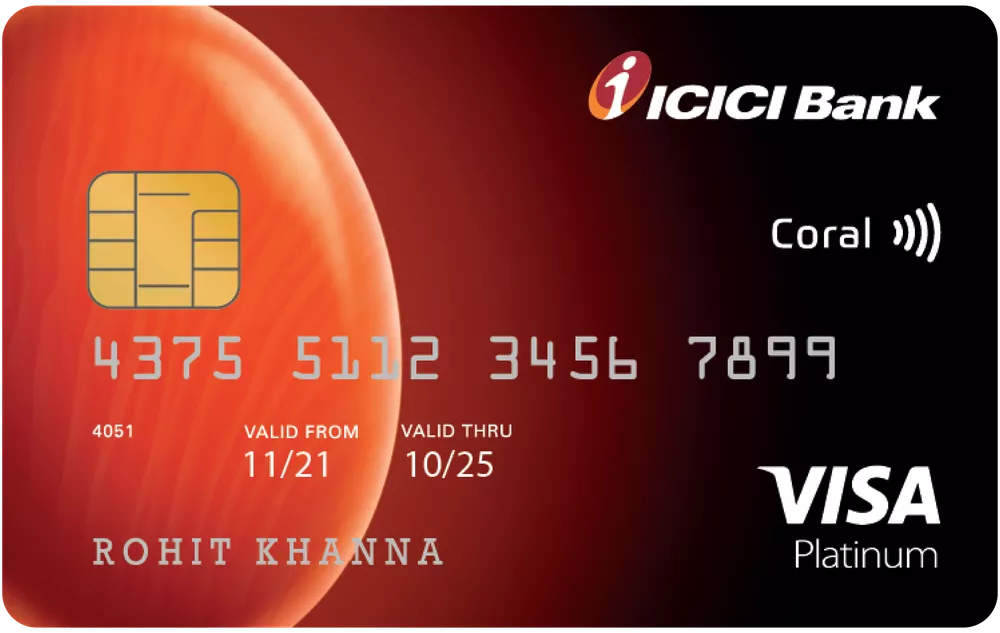

ICICI Bank Coral Credit Card
Annual fee: ₹500
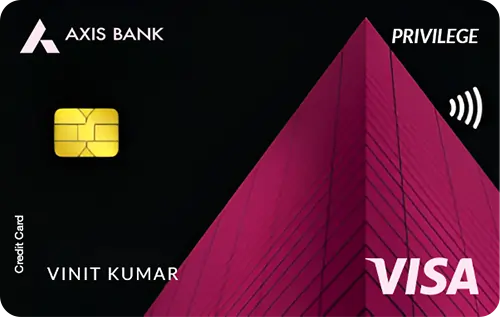

Axis Bank Privilege Credit Card
Annual fee: ₹1,500


Regalia Gold Credit Card
Annual fee: ₹2,500
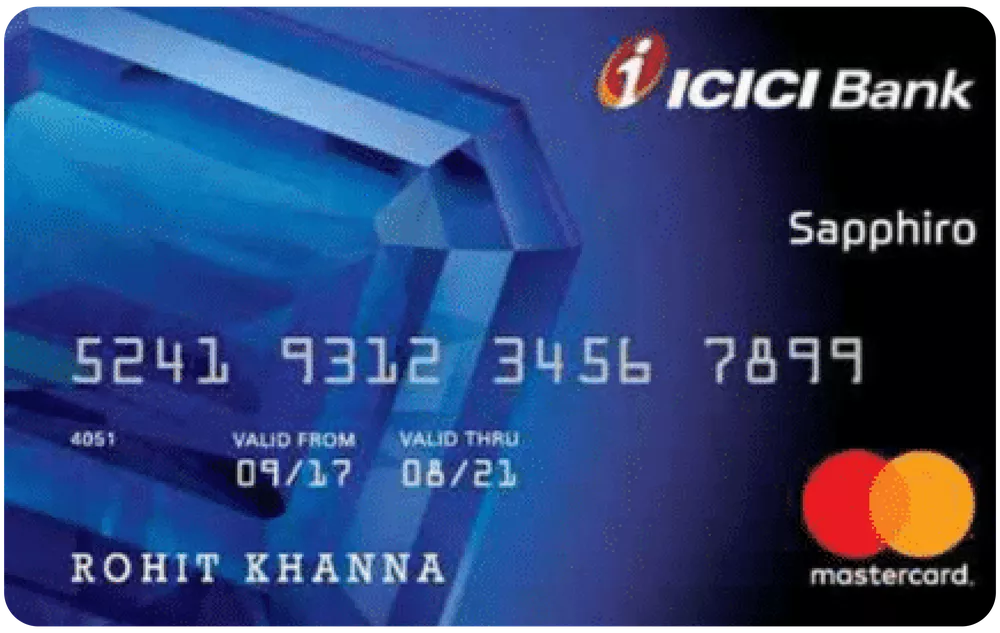
ICICI Bank Sapphiro Credit Card
Annual fee: ₹3,500

Axis Bank Atlas Credit Card
Annual fee: ₹5,000

Magnus Credit Card
Annual fee: ₹12,500


IDFC FIRST WOW! Credit Card
Annual fee: ₹0
Can NRIs get a credit card in India at all?
Yes — with caveats. RBI’s framework treats NRIs as eligible bank customers when you hold compliant NRE or NRO accounts. Major issuers — ICICI Bank, Axis Bank, HDFC Bank, Kotak Mahindra Bank, and IDFC FIRST Bank — publish NRI credit card programmes or NRI-eligible variants of mainstream cards.
What banks rarely shout from billboards:
- You usually need an existing NRE/NRO relationship (savings, current, or FD) with the issuer
- KYC often requires passport, visa/work permit, Indian and foreign address proof, PAN (or Form 60), and FATCA/CRS declarations where applicable — ICICI’s NRI card checklist is the template most peers mirror
- Credit assessment still applies: income proof, bureau score in India, and relationship depth matter even if you earn in USD
- NRO-linked cards are typically for domestic INR spends in India; NRE-linked cards can support international use depending on product — confirm on the issuer page before you swipe abroad
Nothing here is an approval promise. Banks decide case by case.
What you CAN get as an NRI
1. Unsecured NRI credit cards — Same reward stacks as resident cards, linked to your NRE/NRO account for billing. ICICI lists dedicated NRI Coral and NRI Sapphiro paths; Axis and HDFC offer NRI-eligible premium cards when relationship and income criteria are met.
2. Secured / FD-backed cards — If your Indian credit file is thin or income is mostly overseas, pledge an NRE/NRO fixed deposit and get a card against it. IDFC FIRST WOW! is catalogue-backed at 0% forex markup — useful when you spend abroad and want a rupee-denominated backup.
3. Add-on cards for family in India — Primary NRI holder; spouse or parent in India gets a supplementary card with a sub-limit. Handy for household expenses without sharing OTPs on every Swiggy order.
4. Premium travel perks — Lounge access, miles, low forex markup on select cards. If you fly India ↔ abroad often, an Indian premium card can beat wiring money and paying debit forex fees — if you pick the right markup band.
5. Rupee credit line for India visits — Hotels, medical, school fees, and UPI-adjacent spends (where RuPay credit is supported) without touching your foreign salary account for every ₹ transaction.
What you CANNOT get — or should not assume
Instant approval from abroad without KYC. Many applications start online, but banks may require in-person verification, branch visit on your India trip, or Video KYC within RBI guidelines. Plan ahead — do not assume a form submission equals a card in five days.
Every resident card on demand. Some mass-market or co-brand cards are marketed only to resident Indians. NRI desks may offer a subset or a differently named variant with similar benefits.
NRO card for global shopping. ICICI explicitly notes NRO credit cards are for domestic transactions in INR. Using one for overseas spends can fail or trigger compliance headaches. For international use, look at NRE-linked products or cards with published global acceptance.
Guaranteed premium limits. ₹75,000/month income floors on cards like Sapphiro are issuer-published minimums for residents; NRI underwriting may use foreign income conversion, existing FD value, or relationship balance — or simply decline.
Zero forex cost on every Indian card. Most entry cards carry 3.5% international markup in our catalogue. Only a few (Regalia Gold at 2%, Magnus at 2%, IDFC WOW at 0%) are genuinely competitive abroad. A “free lounge” card with 3.5% forex can still lose money on a $5,000 vacation.
Credit history transfer from the US/UAE. Your FICO or local bureau score does not auto-map to CIBIL. You may need to build or rebuild Indian credit via secured cards or sustained repayment.
NRE vs NRO: pick the account before you pick the card
| Account | Typical card use | What ICICI publishes |
|---|---|---|
| NRE | India + international spends (product-dependent) | NRE credit cards support domestic and international transactions; rupee and foreign-currency billing per card terms |
| NRO | India-focused INR spends | NRO credit cards aimed at domestic expenses in India only |
Practical split many NRIs use:
- NRE + travel/premium card for flights, hotels abroad, and large India-trip spends
- NRO + entry card or add-on for parents’ utilities, groceries, and domestic EMIs
Repayment must come from the linked NRE/NRO account. Set up auto-debit before you fly back — missed payments hurt CIBIL the same way they do for residents.
Which banks make it easier for NRIs?
ICICI Bank — the default starting point. Largest NRI franchise, dedicated NRI credit card pages, clear document lists (passport, visa, dual address proof, PAN/Form 60, FATCA/CRS). Coral and Sapphiro NRI variants mirror resident perks. If you already bank NRI with ICICI, this is usually the path of least resistance.
Axis Bank — strong premium NRI story. Axis has publicly positioned NRI-eligible unsecured cards with benefits comparable to domestic premium lines (Magnus-class lounge and miles for frequent flyers). Expect relationship banking or Burgundy NRI tiers for smoother upgrades. Document set similar to ICICI: passport, visa, PAN, income proof.
HDFC Bank — premium if you are already HDFC NRI. Regalia Gold-class cards appear on NRI recommendation lists when you hold NRE/NRO with HDFC and meet income thresholds (₹1 lakh+/month salaried in our catalogue — verify NRI-specific rules on HDFC’s NRI portal). Forex at 2% makes it a serious travel card if approved.
IDFC FIRST Bank — best secured / forex hack. Not an “NRI desk” brand in the same way, but WOW! (FD-secured, lifetime free, 0% forex markup) is realistic for NRIs who can place an FD and want international spends without premium fees. Good bridge while you build CIBIL.
Kotak Mahindra Bank — worth a look if you are Kotak NRI already (e.g. NRI Royale Signature in market comparisons). We do not catalogue a Kotak NRI card yet — check Kotak’s NRI banking site for current SKUs.
Smaller private banks and PSU giants (SBI, BOB) may issue to NRIs with salary accounts, but product choice and NRI UX vary. Start where your NRE/NRO already lives.
Best NRI credit cards by use case (catalogue-backed)
ICICI Bank Coral Credit Card
Best for: First Indian card, family add-ons, modest India-trip spends.
Standout: ₹500 annual fee (waived on ₹1.5L spend), 1 domestic lounge/quarter, 2 points per ₹100, 3.5% forex markup.
NRI angle: ICICI’s NRI Coral variant follows the same fee/reward skeleton — ideal when you want lounge access without premium fees and will mostly spend in India.
Axis Bank Privilege Credit Card
Best for: Online shopping and dining on India visits; mid-tier rewards.
Standout: 5x EDGE points on online/dining, 2 domestic lounges/quarter, ₹1,500 annual fee waived at ₹3L spend.
NRI angle: Easier approval band than Magnus if you have Axis NRI banking but not ₹15L spend.
HDFC Bank Regalia Gold Credit Card
Best for: Frequent India ↔ abroad travel with real lounge use.
Standout: 12 domestic + 6 international lounges/year, 2% forex markup, ₹2,500 fee waived at ₹4L spend.
NRI angle: Often recommended for NRIs with HDFC NRE/NRO and high declared income — confirm NRI eligibility before applying.
ICICI Bank Sapphiro Credit Card
Best for: Premium lifestyle on India trips — golf, movies, heavy lounge use.
Standout: 4 domestic + 4 international lounges per quarter, 4 points per ₹100, ₹3,500 annual fee (waived ₹6L spend). Catalogue income floor ₹75,000/month.
NRI angle: NRI Sapphiro is the card Mint and business press cite when comparing NRIs to global premium products — if you qualify, the lounge stack is hard to beat at this fee tier.
Axis Bank Atlas Credit Card
Best for: Mile collectors who live abroad but book India travel often.
Standout: EDGE Miles with airline transfers, 4 international lounges/year, ₹5,000 fee — note 3.5% forex (better for INR-denominated travel booking than foreign retail).
Axis Bank Magnus Credit Card
Best for: High spenders who want unlimited international lounges and 2% forex.
Standout: Unlimited Priority Pass (self + guests per T&Cs), 6 miles per ₹200 on international spends, ₹12,500 fee waived at ₹15L spend.
NRI angle: Axis has marketed NRI-eligible unsecured premium cards — Magnus is the aspirational pick if your spend justifies the fee.
IDFC FIRST WOW! Credit Card
Best for: NRIs building Indian credit or wanting zero forex markup without premium approval.
Standout: FD-secured, lifetime free, 0% forex markup, FIRST Coins on spends. No lounges — this is a tooling card, not a status flex.
Forex markup: the hidden NRI bill
When you live abroad, international markup matters more than reward points. Snapshot from our catalogue:
| Card | Forex markup (catalogue) | Who it suits |
|---|---|---|
| IDFC FIRST WOW! | 0% | Everyday foreign spends while building CIBIL |
| HDFC Regalia Gold | 2% | Premium travel |
| Axis Magnus | 2% | Heavy flyers + lounge lovers |
| ICICI Coral / Sapphiro | 3.5% | Mostly India spends; avoid swiping abroad |
| Axis Atlas | 3.5% | Book travel in INR; not a global wallet card |
On a $3,000 trip, the gap between 0% and 3.5% is roughly ₹9,000+ in markup alone (before network fees). Match the card to where the swipe happens.
Documents and how to apply (issuer checklist)
ICICI’s published NRI credit card checklist is the industry baseline. Gather these before you land in India for KYC:
- Valid passport + visa / work permit / OCI (as applicable)
- Indian address proof — passport, utility bill, or bank statement
- Foreign address proof — utility bill, residence permit, or property tax receipt
- PAN or Form 60 if PAN unavailable
- FATCA / CRS declaration for US, UK, Canada, and other reporting jurisdictions
- Income proof — overseas salary slips, tax returns, or bank statements (issuer-specific)
- Active NRE/NRO account with the bank — sometimes minimum balance or FD
Application routes: NRI internet banking → Cards → Apply; branch visit on India trip; relationship manager for Burgundy / Imperia NRI tiers. Axis and HDFC mirror similar flows on their NRI portals.
Tip: Apply early in a India visit. If Video KYC is offered, complete it in a quiet room with original documents — re-scheduling from another timezone is painful.
Bottom line: match the card to your NRI life, not the Instagram flex
NRIs can hold powerful Indian credit cards — lounge access, miles, family add-ons, and rupee liquidity for India expenses. The friction is KYC, NRE/NRO fit, and forex maths, not eligibility in principle.
If you are starting out: ICICI Coral or IDFC FIRST WOW! (FD-backed, 0% forex).
If you travel premium: HDFC Regalia Gold or ICICI Sapphiro — verify NRI paths and income proof.
If you live on airplanes: Axis Magnus for lounges + 2% forex — if spend supports the fee.
Run your income and CIBIL band through CardCheck’s free Eligibility checker before you burn a hard enquiry. Compare fees, forex, and lounges side by side on /cards.
FAQ
- Can an NRI apply for a credit card without visiting India?
Sometimes partially online, but most issuers require KYC — Video KYC or an in-branch visit on your India trip. ICICI, Axis, and HDFC NRI portals let you start applications; completion depends on verification rules at application time. Plan ahead.
- Do I need an NRE or NRO account for an NRI credit card?
Yes — virtually always. NRI credit cards bill against your NRE or NRO account. The account type also affects where you can spend (NRO cards are typically India-only per ICICI’s published guidance).
- What is the difference between NRI Coral and regular ICICI Coral?
Benefit structure is similar (fees, lounges, points); the NRI variant is issued against your NRE/NRO relationship with NRI KYC documentation. Apply through ICICI NRI banking, not the resident retail funnel.
- Which NRI credit card has the lowest forex markup?
In our catalogue, IDFC FIRST WOW! shows 0% forex markup (FD-secured). Among premium unsecured cards, HDFC Regalia Gold and Axis Magnus list 2% — far below the 3.5% common on entry cards.
- Can my parents in India use my NRI credit card?
Via add-on/supplementary cards — yes, within the sub-limit the bank assigns. The primary liability stays with you as NRI primary holder. Set limits consciously.
- Will an Indian credit card help my CIBIL score as an NRI?
Yes, if reported to bureaus and you pay on time. Secured cards like IDFC FIRST WOW! are a common way to build or repair Indian credit while living abroad.
- Does CardCheck guarantee NRI credit card approval?
No. We compare issuer-published fees, rewards, forex, and eligibility fields so you apply with fewer surprises. The bank makes the final call based on NRI KYC, income, and bureau data.
Cards in this comparison
Compare nowICICI Bank Coral Credit Card
Annual fee: ₹500
Axis Bank Privilege Credit Card
Annual fee: ₹1,500
Regalia Gold Credit Card
Annual fee: ₹2,500
ICICI Bank Sapphiro Credit Card
Annual fee: ₹3,500
Axis Bank Atlas Credit Card
Annual fee: ₹5,000
Magnus Credit Card
Annual fee: ₹12,500
IDFC FIRST WOW! Credit Card
Annual fee: ₹0