When you open a savings account, the relationship manager slides a brochure across the table. It is almost always a card from the same bank. What gets left out of that conversation: the issuer-published disclosures — built from issuer MITC and official disclosures — currently has over 130 credit cards across more than 20 issuers. The card on that brochure is one of them.
Here is what the data says about why that single recommendation is structurally likely to under-serve you, and what to do instead.
Cards in this comparison
Compare now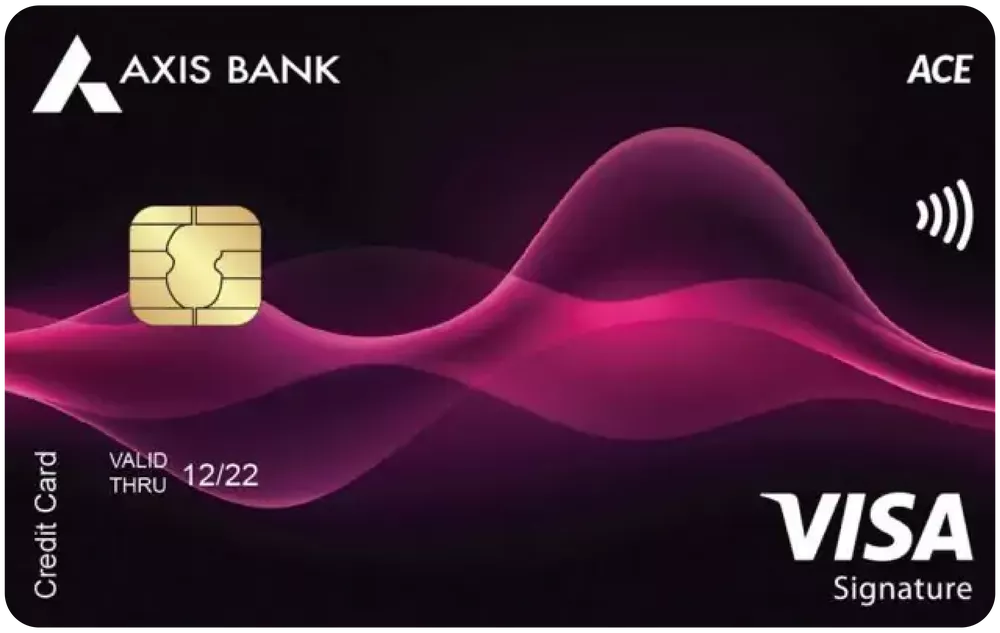

ACE Credit Card
Annual fee: ₹499
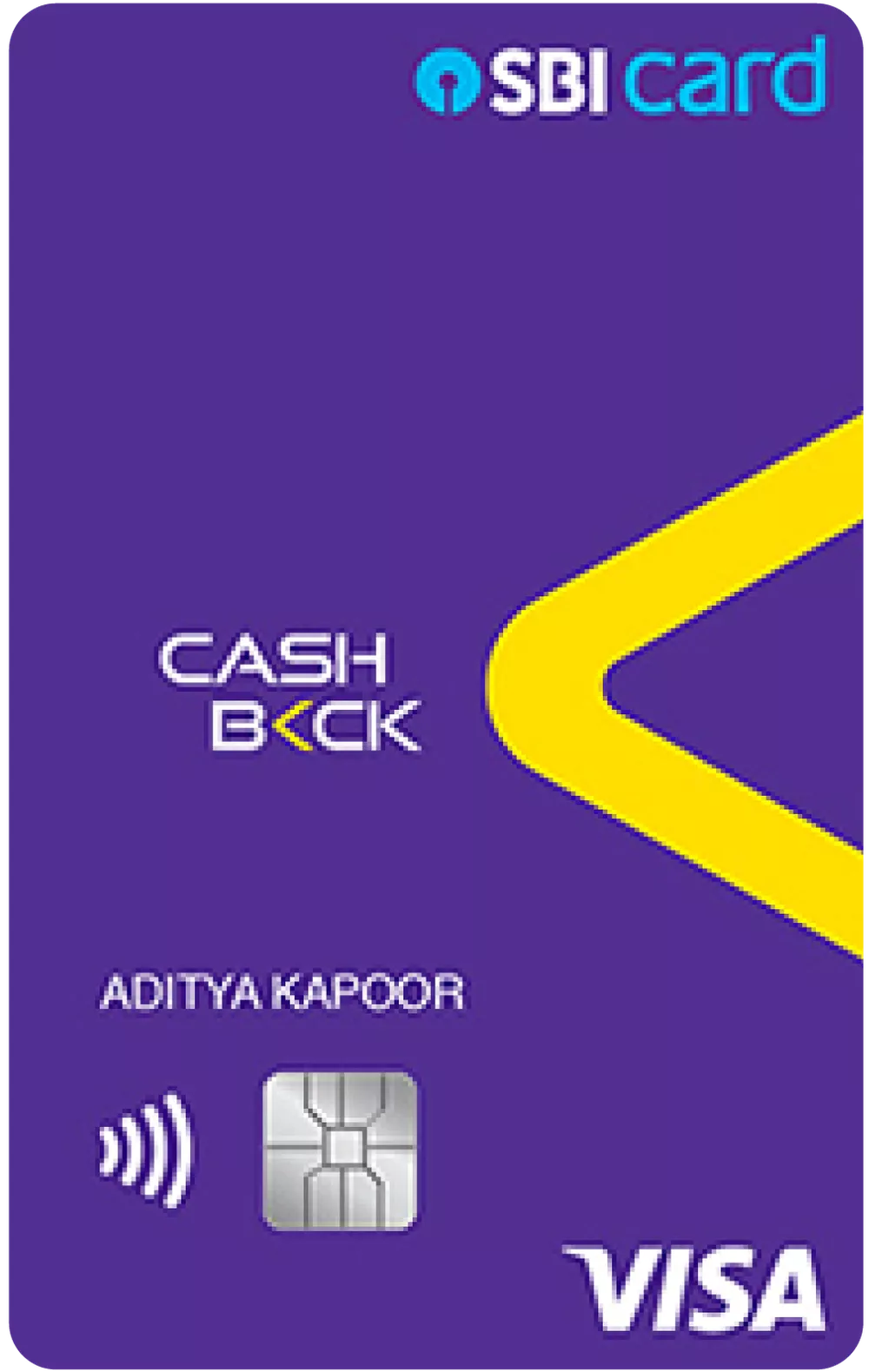

CASHBACK SBI Card
Annual fee: ₹999
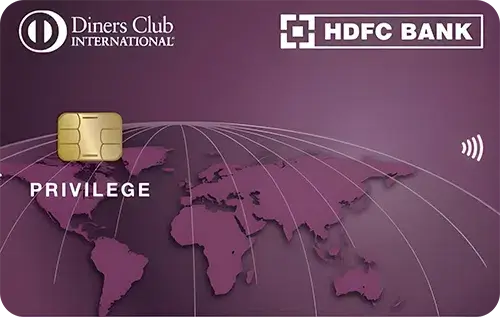

HDFC Bank Diners Club Privilege Credit Card
Annual fee: ₹1,000
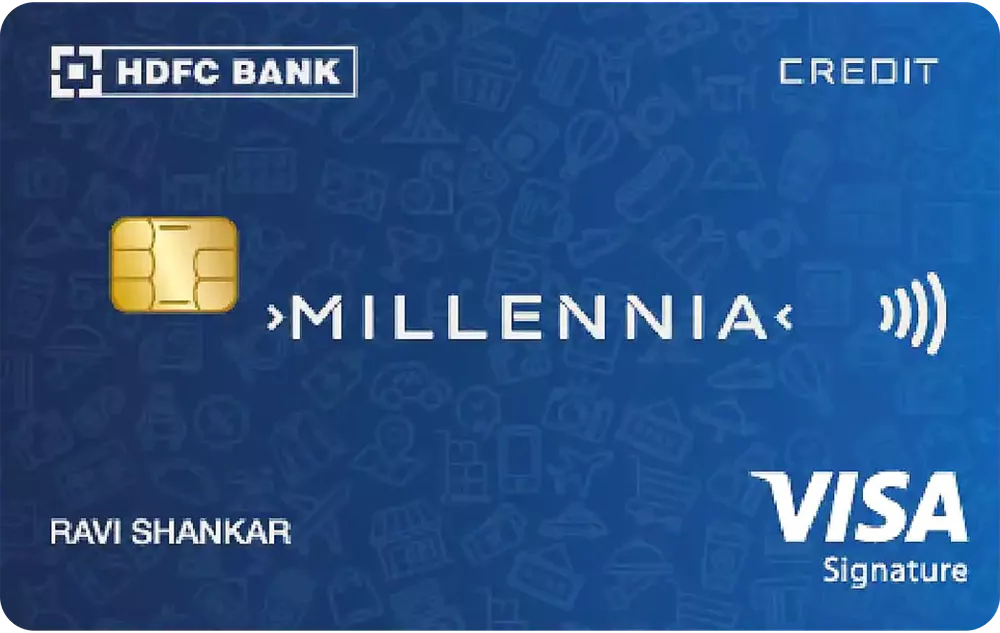
HDFC Millennia Credit Card
Annual fee: ₹1,000
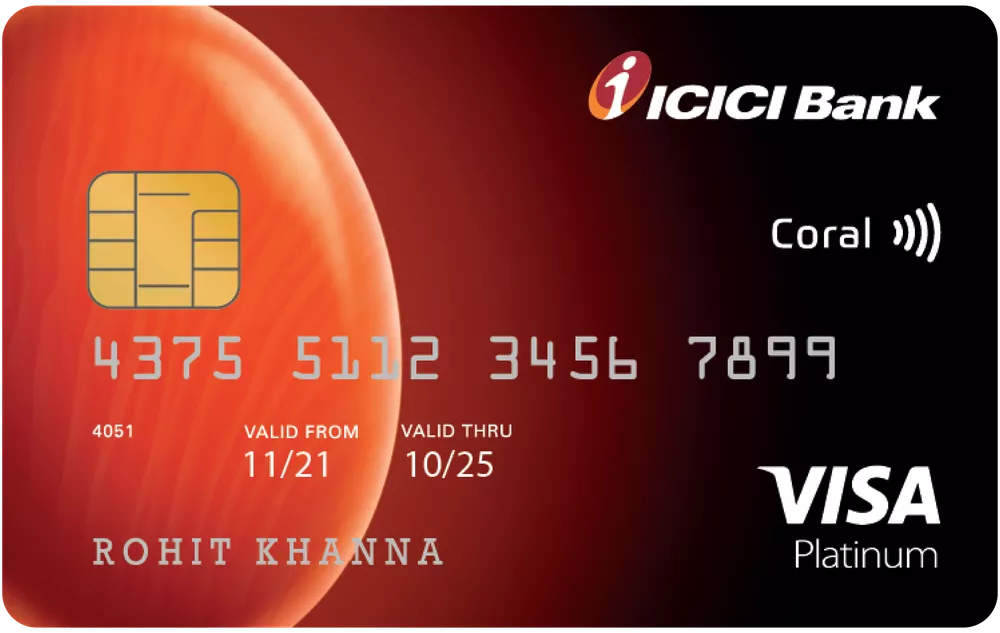

ICICI Bank Coral Credit Card
Annual fee: ₹500
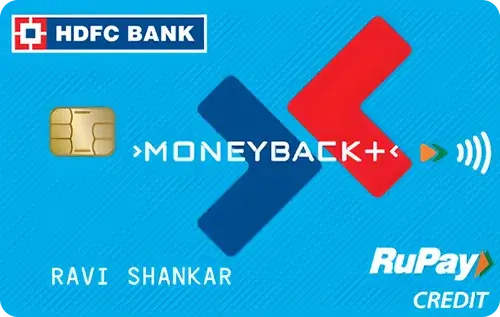
HDFC Bank MoneyBack+ Credit Card
Annual fee: ₹500
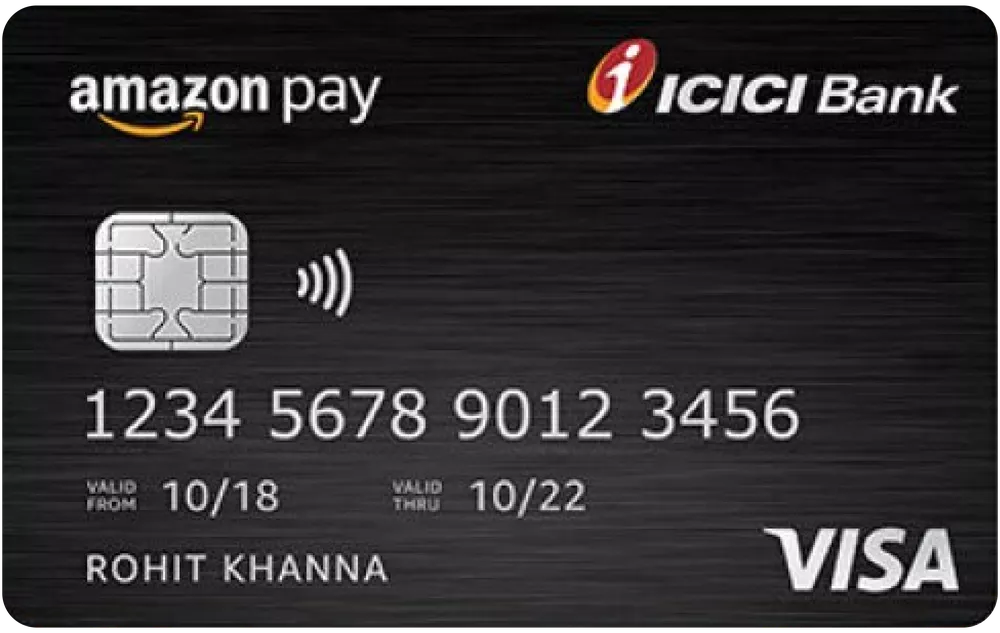
Amazon Pay ICICI Bank Credit Card
Annual fee: ₹0
The conflict of interest is structural
A bank earns interchange, annual fees, and revolving interest from the cards it issues. The RM's incentive is to have you hold a card from their institution — not the card that maximises value for you. This is not unique to any one bank; it is baked into the distribution model.
A large issuer like HDFC Bank has 24 cards in our catalog, ranging from a ₹99 annual fee to a ₹12,500 joining fee. Axis Bank has 22 cards spanning ₹0 to ₹50,000. When you sit across from their RM, your "recommendation" is drawn from that issuer's subset — never the full 130+.
Identical fee brackets, radically different reward rates
The most visible cost of a bank-first recommendation shows up in the ₹499–₹999 annual fee bracket, where the issuer-published disclosures currently lists 68 cards. The reward rate spread within that one bracket — computed from published issuer rates — runs from 0.5% to 25%.
Here is what the data looks like side-by-side for a selection of cards in that bracket:
| Card | Annual Fee | Max Reward Rate in DB |
|---|---|---|
| Airtel Axis Bank | ₹500 | 25% (on Airtel recharges, capped ₹250/month) |
| Amex SmartEarn™ | ₹495 | 10% effective on Amazon & Swiggy |
| HDFC Swiggy | ₹500 | 10% on Swiggy |
| Axis Bank ACE | ₹499 | 5% on utility bills via Google Pay |
| CASHBACK SBI Card | ₹999 | 5% on all online spends |
| ICICI Bank Coral | ₹500 | 2% max in our data |
| HDFC MoneyBack+ | ₹500 | 2% max in our data |
| Kotak 811 #DreamDifferent | ₹500 | 0.5% max in our data |
All eight cards sit within ₹504 of each other on fee. The reward rate spread is 50×. A recommendation that defaults to "take our entry card" inside the 2% cluster costs you real money versus the 5–10% cluster — both on annual fees and on cashback foregone.
_Note: headline rates like 25% are capped per category. The Airtel Axis card caps recharge cashback at ₹250/month and Swiggy/Zomato/BigBasket combined at ₹500/month. Higher headline = read the caps carefully before assuming equivalence._
Case study: HDFC Bank customer who takes the 'obvious' card
Imagine an HDFC Bank savings account holder. The branch RM recommends the HDFC Bank MoneyBack+: ₹500 joining fee, ₹500 annual fee (waived on ₹50,000 spend), earns 5 CashPoints per ₹150 on Amazon/Flipkart/Reliance Smart and 1 CashPoint per ₹150 on all other spends. At 1 CashPoint = ₹0.20 for statement credit, the effective cashback is ~0.67% base and ~2% on select online partners in our data.
Now look at two cross-bank alternatives at nearly identical fee levels:
Axis Bank ACE — ₹499 annual fee (waived on ₹2 lakh annual spend); 5% cashback on utility bills, DTH, and recharges via Google Pay; 4% on Zomato, Swiggy, Ola, and Uber; 1.5% on all other eligible spends. Max published reward rate in our DB: 5% with no hard cap we model on base categories. Minimum income floor: ₹15,000/month.
CASHBACK SBI Card — ₹999 annual fee (waived on ₹2 lakh annual spend); 5% cashback on all online spends (no merchant restrictions in our data); 1% on offline spends. Min income: ₹25,000/month.
The MoneyBack+ customer who primarily pays utility bills and orders online would earn a materially higher cashback rate on either of those two cards — from a different bank entirely. The RM never mentioned them, because they cannot.
The 'step-up' pitch inside the same issuer is often a better deal — but still not the best
Banks do run internal upgrade programmes. An HDFC customer holding MoneyBack+ may be shown the HDFC Bank Millennia: ₹1,000 annual fee (waived on ₹1 lakh spend), 5% CashBack on Amazon, Flipkart, Myntra, Swiggy, Zomato, Uber, BookMyShow, Cult.fit, SonyLIV, Tata CLiQ, 1% on all other eligible spends, and 2 complimentary domestic lounge visits per quarter via DreamFolks. That is a genuine step up for lifestyle spenders — the RM is not wrong about the upgrade.
But compare it to the HDFC Bank Diners Club Privilege — still an HDFC card, same issuer — at just ₹1,000 annual fee (waived on ₹3 lakh spend): 4 reward points per ₹150 (redeemable at 1 RP = ₹1 via SmartBuy, effective ~2.67% base), 5X on Swiggy and Zomato, up to 10X on SmartBuy travel (~6.67%), 2 domestic lounge visits per quarter via DreamFolks, 8 international lounge visits per year via Priority Pass, and a 2% forex markup versus the standard 3.5%.
At identical fee and identical issuer, the Diners Privilege substantially out-performs the Millennia for anyone who travels internationally — 8 Priority Pass visits vs zero. The max reward rate in our DB is 6.67% versus 5%. Yet most branch interactions surface the more mainstream Visa product.
When the bank is not wrong: cards where issuer-specific perks are genuine
This is not a universal indictment of bank-recommended cards. There are real cases where a same-bank card wins:
- Amazon Pay ICICI Bank — Lifetime free (₹0 fee); 5% cashback on Amazon.in for Prime members, 3% for non-Prime, no monthly cap; 2% on Amazon Pay partner merchants. If you bank with ICICI and are an Amazon Prime subscriber, there is no cross-bank product with a stronger Amazon cashback rate at zero annual fee in our catalog.
- Co-branded cards where the partner benefit only works inside that issuer ecosystem (fuel cards tied to specific oil-company outlets, airline co-brands with carrier-specific miles redemption, retail store cards).
- Existing relationship benefits — some issuers offer a higher credit limit, pre-approved line, or waived documentation to existing account holders. That has real value if your CIBIL is thin or you need a faster decision.
The problem is not that the bank card is never right. The problem is that it is presented as the recommendation without comparison.
What the data says you should actually do
Step 1 — Define your top three spend categories. The ₹499–₹999 bracket has 68 cards optimised for different mixes. Fuel + utility + DTH → ACE-class cards. Amazon only → Amazon Pay ICICI at zero fee. Dining + movies → check the dining accelerators. Running the wrong card for your pattern costs more than the annual fee difference.
Step 2 — Run a calculator, not a brochure. The CardCheck Rewards Calculator lets you enter actual monthly spends by category and computes estimated annual returns across cards in the database. A five-minute run beats a thirty-minute branch visit for most people.
Step 3 — Compare on total cost of card, not headline rate. Annual fee, forex markup, and reward caps all interact. IDFC FIRST Classic (₹0 fee, interest starting at 9% p.a. in our data, 1.5% forex) may be better for a user who occasionally carries a balance than a ₹500-fee card with a 42% p.a. APR. Use the Compare tool to put two or three cards next to each other.
Step 4 — Check eligibility before shortlisting. Income minimums in our data range from ₹15,000/month (Axis ACE, Amex SmartEarn) to ₹1,00,000/month (HDFC Regalia Gold) to ₹3,00,000/month (HDFC Infinia). Filtering by income floor on the card directory avoids applying for products you are unlikely to be approved for.
Step 5 — Accept the bank card if it passes the test. If after comparison the branch card is genuinely the best fit, take it. The goal is informed choice, not bank-avoidance for its own sake.
FAQ
- Does using the calculator guarantee I get the best card?
No. It estimates annual returns from published rates and caps in the issuer-published disclosures. Merchant category coding, limited-time bank offers, and actual approval can differ. It eliminates obviously wrong cards; it does not guarantee the perfect fit.
- My bank said my CIBIL score is too low for the better card. Is there an alternative?
For thin-file situations, IDFC FIRST WOW! (secured against fixed deposit, ₹0 fee, 0% forex in our data) and SBI Unnati (secured against ₹25,000 SBI FD) in our catalog list no minimum income or CIBIL floor because approval relies on the FD collateral. You build credit history while the FD continues to earn interest.
- Are the 25% and 10% rates in the table real?
They are published rates sourced from issuer MITC / official program terms — but they are capped. The Airtel Axis card's 25% rate applies to Airtel recharges via the Airtel Thanks app, capped at ₹250/month of cashback. The Amex SmartEarn 10% applies to Amazon and Swiggy in the MR Points earning formula (10 MR points per ₹50). Real value depends on your actual spend in those categories, not the headline percentage.
- Can I have cards from multiple banks?
Yes. Most high-value setups use two or three cards for different category strengths: one lifetime-free card for categories with no accelerator, one co-branded or category-focused card for your highest spend, and optionally a travel card for international trips. Holding multiple cards is not a risk as long as you pay statements in full each month.
Cards in this comparison
Compare nowACE Credit Card
Annual fee: ₹499
CASHBACK SBI Card
Annual fee: ₹999
HDFC Bank Diners Club Privilege Credit Card
Annual fee: ₹1,000
HDFC Millennia Credit Card
Annual fee: ₹1,000
ICICI Bank Coral Credit Card
Annual fee: ₹500
HDFC Bank MoneyBack+ Credit Card
Annual fee: ₹500
Amazon Pay ICICI Bank Credit Card
Annual fee: ₹0