
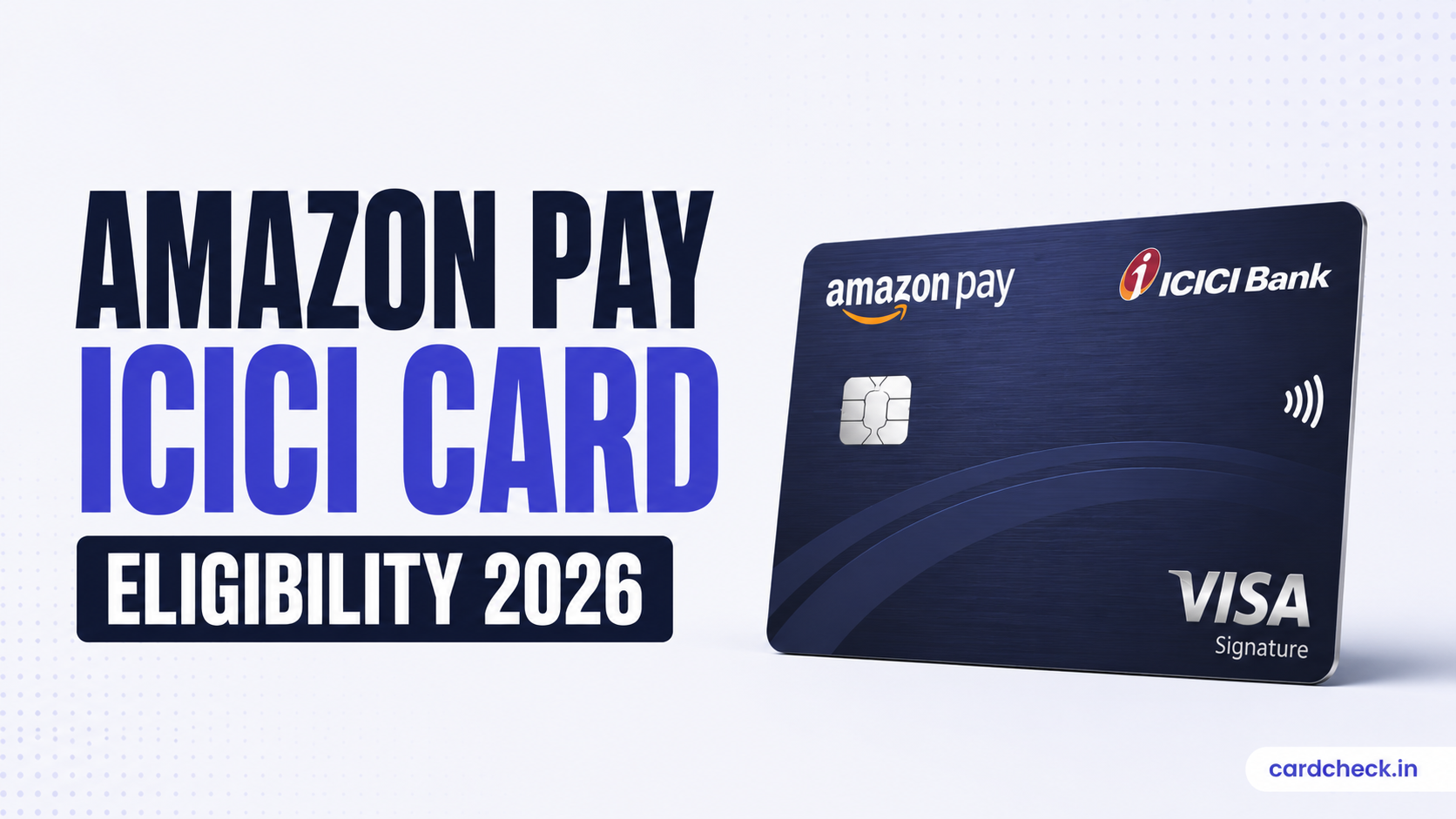
Indian Google is full of “minimum salary” copy-paste charts for the Amazon Pay ICICI Bank Credit Card. Most pages never tell you the boring truth: published minimum thresholds are a marketing filter, while approval is underwriting — income proof, repayment history, existing loans, enquiries, employer profile, even how your Amazon spend pattern looks in the funnel.
If you landed here searching Amazon Pay ICICI card eligibility 2026, this guide walks through what ICICI Bank’s catalogue-facing numbers imply (CardCheck snapshot 2026-05-20), where Reserve Bank–supervised lenders hide the discretion, how CIBIL fits in, what documents usually ride along, and realistic next steps — including softer backup cards if Amazon Pay ICICI is the wrong doorway today.
First rule: nobody except the issuer grants guaranteed approval. We’re mapping signals, not handing out slips.
Cards in this comparison (3)
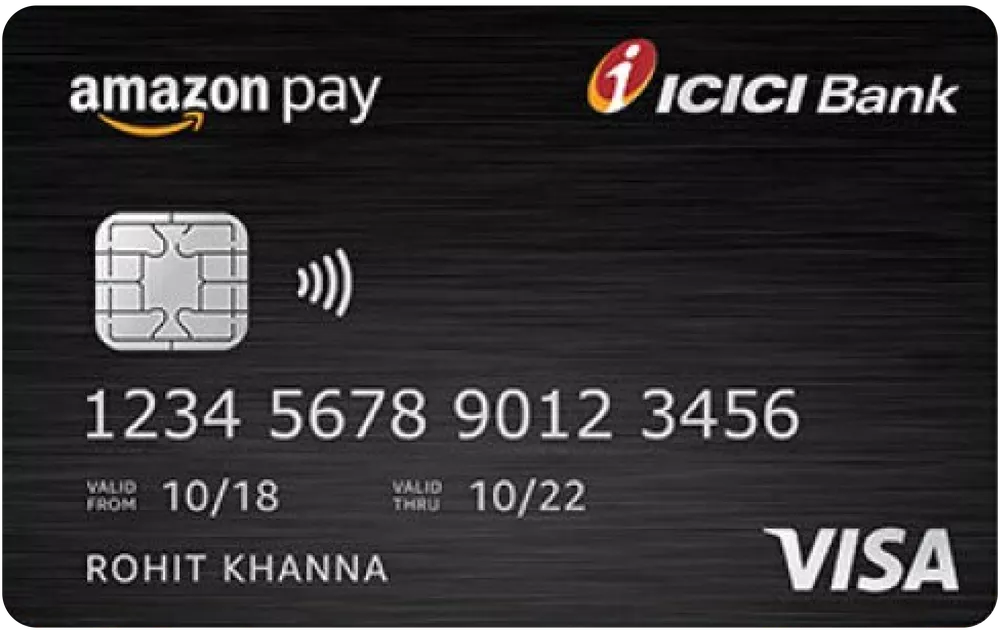

Amazon Pay ICICI Bank Credit Card
Rewards on Amazon Purchases
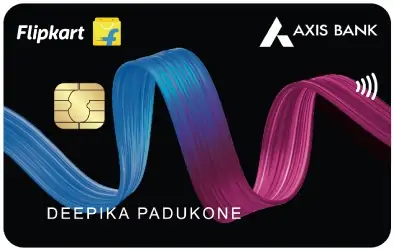

Flipkart Axis Bank Credit Card
Flipkart and online shopping


SimplyCLICK SBI Card
Online shoppers — 10X on Amazon, Cleartrip, Lenskart, BookMyShow
Published numbers at a glance (May 2026 snapshot)
Below is not fortune-telling — it is the clean baseline baked into Amazon Pay ICICI Bank Credit Card on CardCheck as of snapshot 2026-05-20. If ICICI adjusts its public filter (common around financial year resets), the official ICICI Bank product page wins.
| Field | Typical published floor (CardCheck snapshot) |
|---|---|
| Age | 18–70 years |
| Monthly income (all-in minimum) | ₹25,000 gross monthly |
| Representative bureau score band | 750+ CIBIL / bureau floor (issuer marketing) |
| Employment basket | Salaried + self-employed (issuer disclosure) |
| Join / annual fee | ₹0 / ₹0 (lifetime free in issuer copy) |
| Program access | General applications (not positioned as invitation-only like some ultra-premium lines) |
Compare two popular alternates — eligibility only: Flipkart Axis Bank often lists a lower published income gate with different fees; SBI SimplyCLICK is another ecommerce-friendly backup with its own underwriting story — see the Compare strip after this intro.
Amazon Pay ICICI Bank Credit Card
Income, payslips and self-employed proofs
Salary credit alone does not automate approval. Lenders reconcile what you declare with Form 16, bank credits, bureau tradelines and internal risk tiers. ₹25k/month publicly listed translates differently in Bengaluru rents vs tier-4 towns — underwriting models already capture that dispersion.
Salaried checklist (typical artefacts requested): running salary slips (3–6 months depending on recruiter flow), employer ID, banking where salary credits land, PAN, Aadhaar-linked mobility.
Self-employed / freelancer: audited or filed ITR with narrative turnover, GST where applicable, current account statements proving inflows, sometimes 26AS cross-checks — banks still prefer conservative documentation over informal “estimates only” stories.
Gap year / notice period hunters: thinning salary proof while hunting the next gig is statistically messier — expect tighter questioning or postponed decisioning until predictable cashflow returns.
Credit score bruises vs clean files
750+ signals comfortable unsecured retail underwriting according to issuer marketing tables — that is not the same thing as you automatically deserve every card. Applicants with scores north of 780 still face declines when utilisation spikes, layered personal loans, or recent unsecured enquiries clustered before application.
Thin bureau (no prior cards, thin loans) pushes models toward alternate cutoffs sometimes — onboarding secured cards elsewhere first can help, though that is not Amazon Pay ICICI’s positioning.
What worsens silently: EMI defaults even once, written-off tiny telecom bills, settled accounts showing post-settlement tags, authorised user cards you forgot about still reporting delays.
How people usually apply
Issuance is typically offered through ICICI Bank with flows that reference Amazon for enrolment steps and reward linkage. Exact screens change — ICICI’s Amazon Pay card page is the binding entry point.
Expect identity verification (PAN, CKYC/video step where permitted), income evidence upload, bureau consent tick-boxes, address proof. Physical card delivery timelines vary by PIN code load.
Rewards are credited to Amazon Pay balance per programme design — unrelated to underwriting, but affects whether the product matches your habits post-approval.
When published eligibility still fails — honest causes
- Volatile cashflow masking underneath gross salary headings.
- Thin credit: first unsecured attempt at ₹25k band can still spook unsecured scorecards lacking seasoning.
- Leverage layering: EMI burden + rent + dependents erodes residual income testers.
- Multiple hard enquiries from app-hopping lenders in preceding 30–60 days.
- Employer blacklist / furlough sector overlays during macro stress spikes.
Plan B cards (so you do not bleed enquiries)
If underwriting declines or offers a secured alternative, compare Flipkart-heavy cashback against reward multipliers elsewhere before brute re-applying blindly.
| Theme | Pivot card reference | Typical published income floor (snapshot) |
|---|---|---|
| Lower income floor ecommerce skew | Flipkart Axis Bank Credit Card | ₹15,000/month catalogue line |
| Gentle online rewards diversification | SBI SimplyCLICK Credit Card | Moderate thresholds with separate annual-fee maths |
Flipkart Axis Bank Credit Card
SBI SimplyCLICK Credit Card
Don't stack blind enquiries chasing headline cashback — compare once, apply once.
Quick sanity check before you apply
Map declared salary / ITR against the ₹25,000/month illustration and bureau comfort around 750+. If your paperwork disagrees with what salary credits actually show, reconcile that first.
Use CardCheck’s free Eligibility checker to benchmark across issuer-published tables — it is illustrative, not a bank approval.
FAQ
- What is the minimum salary for Amazon Pay ICICI in 2026?
Per CardCheck 2026-05-20 snapshot aligned to issuer marketing data, listings show ₹25,000 monthly gross as the minimum income gate alongside 750+ representative score thresholds. Payslip narrative must corroborate the amount — exaggerated typing won’t bypass bureau reconciliations.
- Is Amazon Pay ICICI invite-only?
It is marketed as a widely available co-brand line — not reserved for invite-only tiers the way some metal / private suites are. Limited-time acquisition campaigns can still reshuffle underwriting emphasis; ICICI retains final discretion.
- Students with internship stipends — eligible?
Stipends inconsistently mimic salary underwriter expectations; education loans simultaneously lower residual income testers. Thin bureau + unpredictable cashflow swings often push secured or AU student-targeted alternatives ahead of marquee co-brand cards.
- I have 720 CIBIL — any chance?
Published gates aim 750+ — sub-threshold applicants sometimes clear if risk mitigants (legacy ICICI liabilities, richer stated income corroborations) outperform but never treat exceptions as entitlement.
- Does Prime membership alter eligibility?
Prime membership decides earn tiers on Amazon spends (versus non-Prime bands) according to issuer copy — not whether underwriting approves your file on its own.
- How do I sanity-check odds before formally applying?
Run inputs through CardCheck Eligibility checker with honest income assumptions, then corroborate with Rewards calculator if Amazon spend domination motivates the SKU — still no promise of underwriting success.
Cards in this comparison (3)
Amazon Pay ICICI Bank Credit Card
Rewards on Amazon Purchases
Flipkart Axis Bank Credit Card
Flipkart and online shopping
SimplyCLICK SBI Card
Online shoppers — 10X on Amazon, Cleartrip, Lenskart, BookMyShow

Vineet Verma
Lead AnalystLead Financial Researcher & Credit Card Analyst at CardCheck
Vineet specializes in Indian retail banking terms, reward point economics, and MITC verification. Every insight is audited against official bank filings.