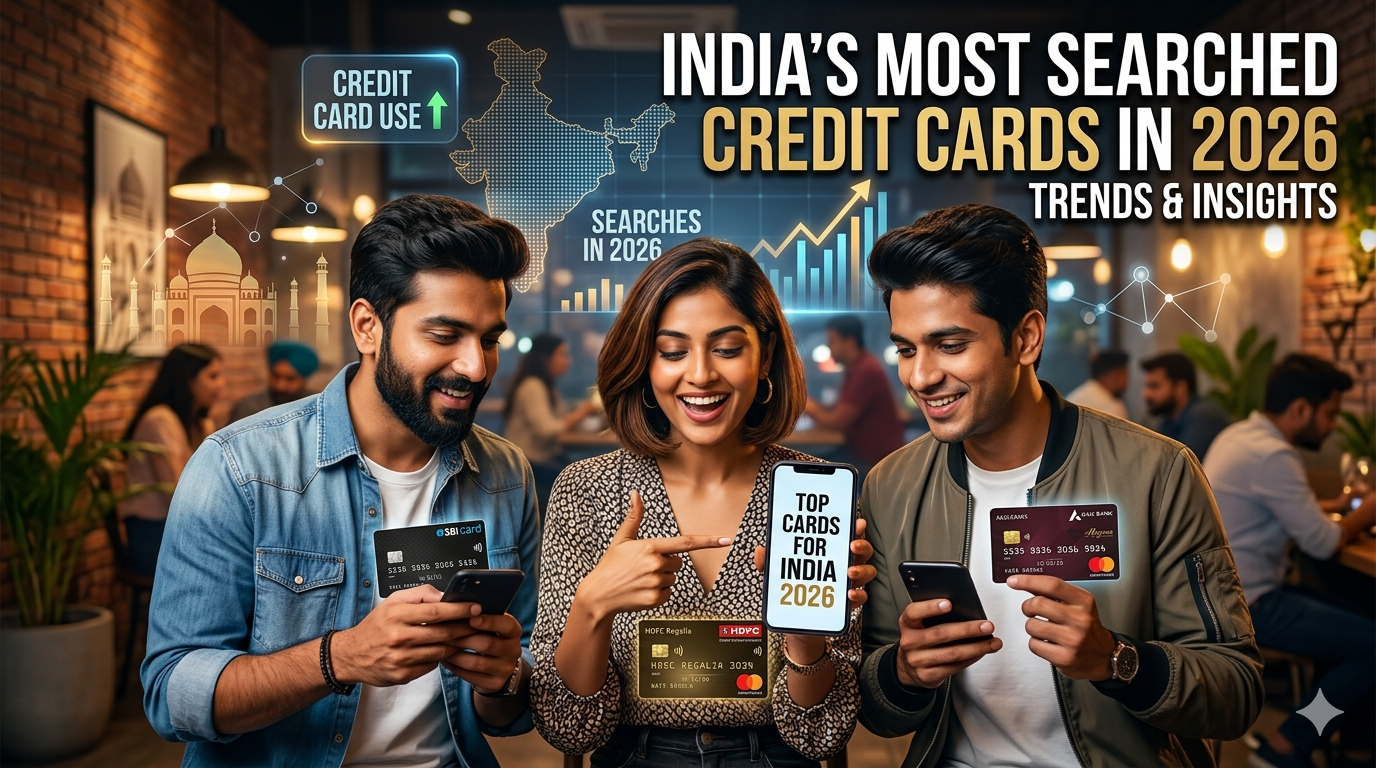
January and February every year pull the same question into Google: which credit card deserves a slot in my wallet?
Search interest is noisy. A spike does not guarantee a cheaper fee or better rewards.
Below we separate signal from noise. First we explain how Google Trends actually works. Then we use a plain snapshot of India’s credit-card landscape from earlier in 2026 so you understand why searches cluster on familiar bank names.
Re-check your Trends lines each Jan/Feb, the same rhythm as a yearly budget refresh.
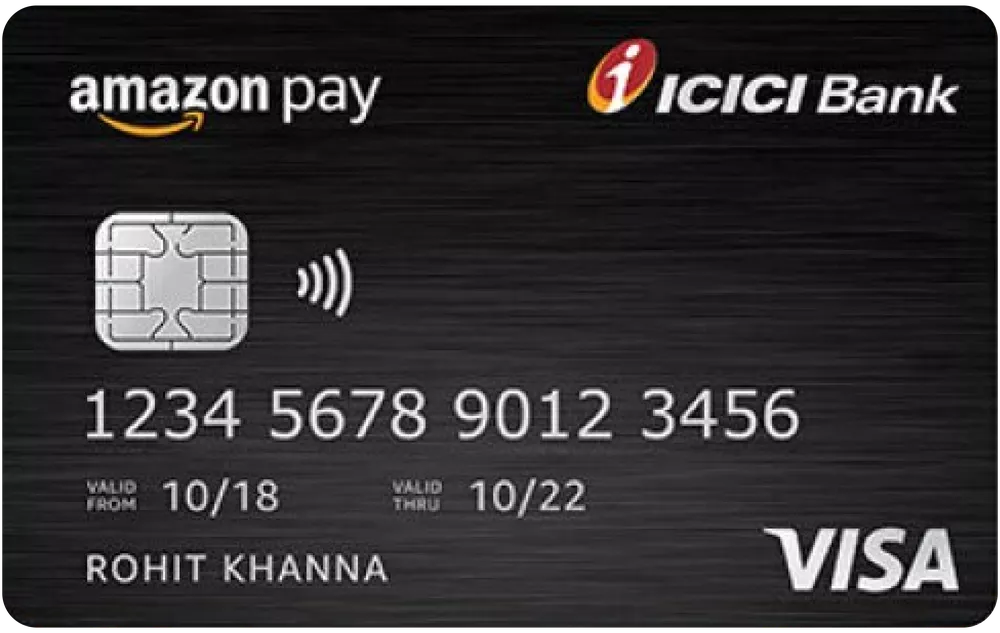
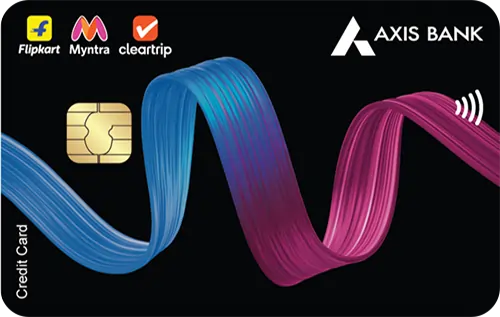
Cards in this comparison
Compare now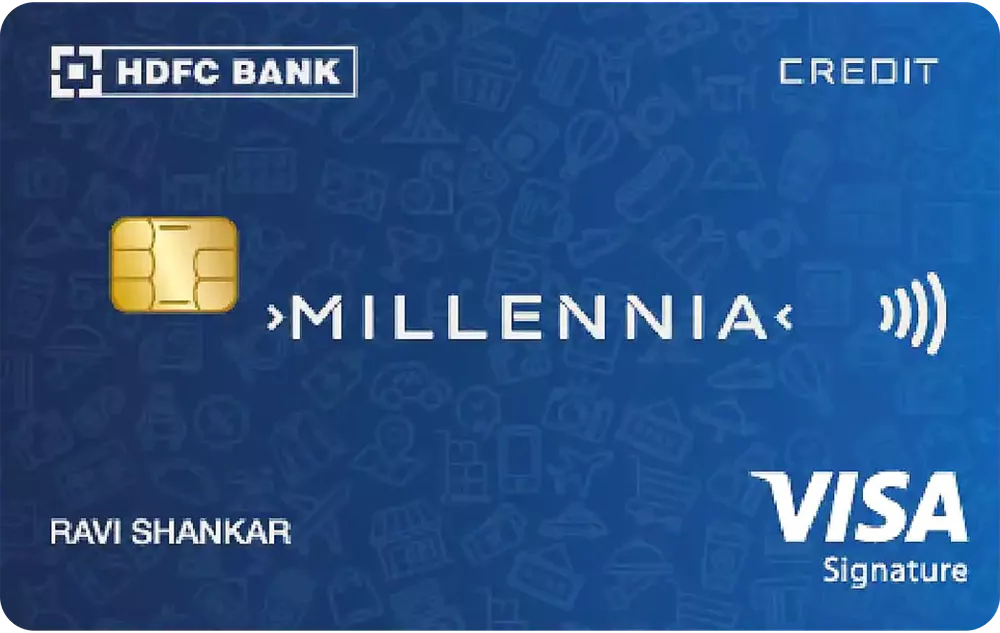



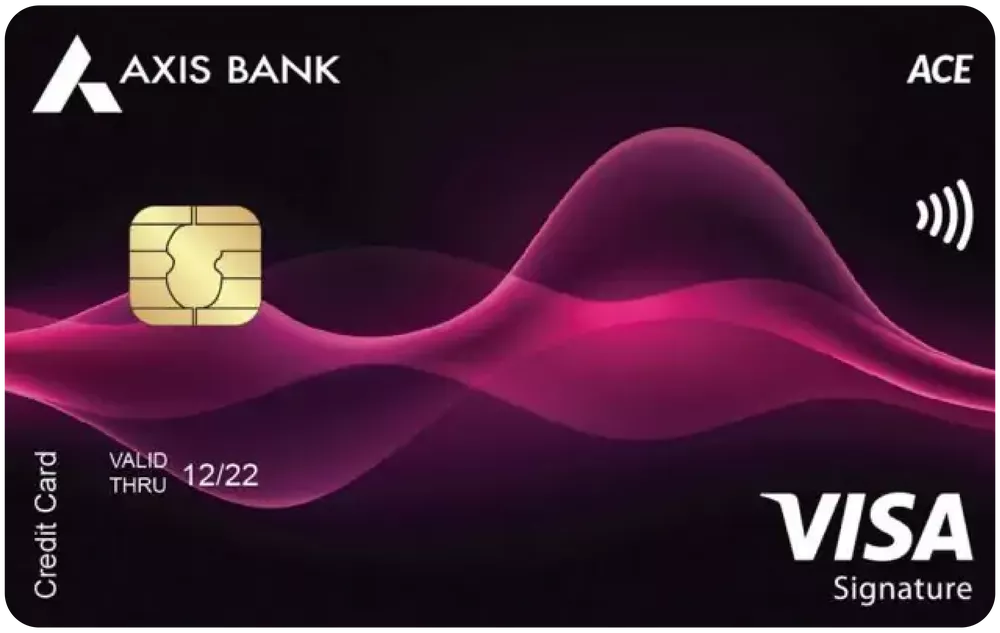
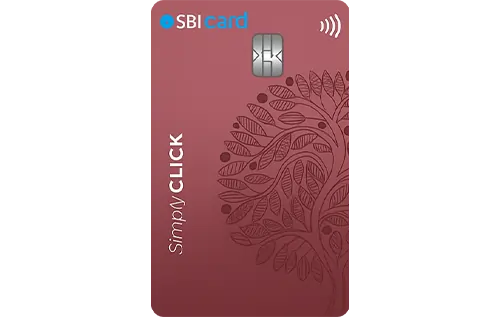

The problem with chasing “most searched”
Stories that claim a single fixed rank for “India’s top Googled card” often omit one thing.
Google Trends compares whatever words you paste in and stretches the busiest moment in your date range up to index 100. It is popularity between those queries — not a bank ledger, issuance count, or proof that one card beats another on fees.
So comparing HDFC versus Axis versus SBI is fine as a hobby chart. Putting money on whoever looks tallest without reading fees on your own offer letter is not.
Solution — how to read Google Trends cleanly
- Open Google Trends — India, lock geography to India.
- Set time to past 12 months or isolate January–February once a year.
- Add 5–8 terms maximum — otherwise the lines turn unreadable.
- Mix brand phrases (“HDFC Millennia”, “Amazon Pay ICICI”) with theme phrases (“lifetime free credit card”, “RuPay credit card”). That split shows hype on a card name versus curiosity about a benefit.
- Switch to “Queries” → Rising when Trends offers it — that flags what is new versus steady.
What verified market numbers say (Jan 2026 snapshot)
This is ordinary industry reporting math for early 2026 — not Trends — but it explains why curiosity sticks to familiar issuers.
- Roughly ₹1.99 lakh crore credit card spending in January 2026 (8.1% year‑on‑year growth, softer than earlier double‑digit bursts). Growth also slowed month‑on‑month after festive demand cooled.
- Around 11.7 crore cards in circulation vs about 10.9 crore a year earlier.
- Above 80% of spending sits with the top five issuers.
- Private banks drove most spend share (about 72.8%). Public-sector banks are gaining ground digitally and in Tier‑2/3 onboarding.
- Digital / online commerce accounted for upward of ~61% of credit card transactions in that storyline — so cards tied to apps and ecommerce stay in people’s searches.
Themes analysts see recurring in search planners (not hype charts)
Search-word guides — from banks, comparison portals, planners — pile around the same needs: lifetime free, cashback, low yearly fee, travel perks, RuPay credit, score checks, foreign‑spend fees. That echoes what people actually type before they anchor on any one card name.
Rules on cards, EMI, disclosures, and grievance escalation sit with your issuer and regulators; skim those once when a new hype train starts so policy matches what Instagram promises.
Quick comparison — search buzz vs paperwork
| Signal | What it hints at | What you must still verify |
|---|---|---|
| Trendline up for a bank name | Curiosity spikes after launches, spends offers, influencer posts | Joining fee, renewal fee, reward caps on your slab |
| Theme: “lifetime free” | Price-sensitive salaried users | Whether “free forever” survives under your issuer’s notice |
| Theme: “travel card” or “lounge” | Wanderlust backlog | Taxes, blackout dates, voucher rules buried in FAQs |
| RuPay/UPI chatter | New rail awareness | Acceptance + reward earn rate on RuPay rails vs Visa/Mastercard for your merchants |
| Flat search interest ≠ approval odds | Actual income proof, bureau score bands from your banker |
Verdict
Treat Google Trends as a thermometer, not a scoreboard.
Use it yearly in Jan/Feb to see what people around you panic‑search after holidays — then marry that with issuer PDFs.
The broader market stays highly concentrated among a handful of issuers — that is why the same handful of names surface in Trends. It still does not pick your best cashback; your spend pattern plus written fees do.
Closing
Replot your Trends lines before every application season.
Use CardCheck's free Quiz — find the right card for you in 2 minutes.
FAQ
- Does Google Trends show exact monthly search totals for HDFC versus Axis?
No. It shows relative interest for the exact queries you enter, rebased to the peak point in the window. Use it for direction, not rupee math.
- Why do private bank card names often look strong on charts?
Most spend already sits with a few large issuers, and marketing runs year-round. Charts echo that dominance long before fees get read.
- Is January really the best month to compare searches?
For yearly habit, yes — many users reset money goals after the December spend rush. Run the same date range each year so you compare apples to apples.
- Should I pick a card only because it trended up last week?
Never. A spike can be a campaign. Match the card to your spend pattern and the written fee table from the bank.