
.png)
Checkout does its little magic trick: bold letters say zero interest, EMI looks civilised next to rupee commas, and you suddenly convince yourself you'll read the twelve PDFs later.
That impulse is understandable. Phones are persuasive. Fonts are persuasive. What's less persuasive — in a reassuring way — is the fine print trio: what the merchant showcase calls EMI, how the issuer books interest and discounts, and what your rewards programme quietly won't cheer for.
This guide is the adult-in-the-room version of no-cost EMI on Indian credit cards: plain English mechanics, recurring charges nobody memes about, rewards exclusions, limit block behaviour, plus a blunt checklist before you tap Pay. Regulators stress transparent card terms — RBI keeps credit card FAQs for consumers worth skim-reading once.
Cards in this comparison
Compare now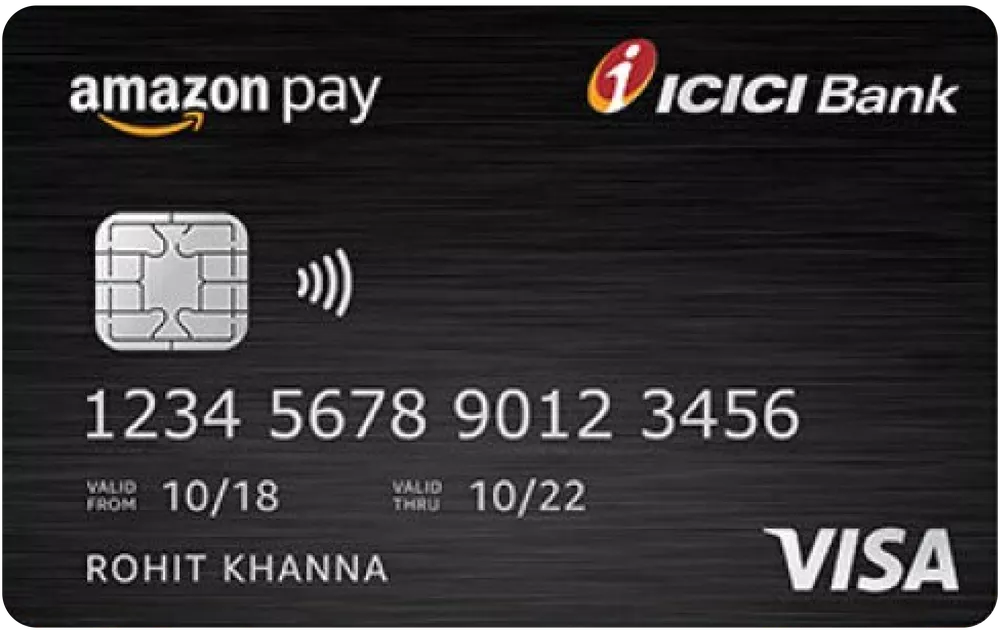




"No-cost EMI" sounds like maths took a nap
Industry shorthand: equated monthly instalment (EMI) splits repayment into instalments carrying principal and finance charges baked into the EMI structure or offset by discount/subvention.
No-cost EMI sells the story that your total outflow mirrors the labelled effective price divided by months — minus any truly separate fee lines disclosed at sanction. Reality check: someone's cost line exists somewhere (merchant, brand, issuer programme). Consumers still deserve a clear pricing path regulators expect issuers and platforms to articulate better than billboard slogans.
Your job as a shopper is narrower and more powerful: verify principal vs interest breakout on the EMI offer before checkout, compare GST-inclusive fee lines, and skim your issuer's EMI/Most Important Terms document so marketing copy and account reality stay in same stadium.
Regular EMI vs no-cost EMI (same card, different script)
| Question | Typical regular EMI vibe | Typical no-cost EMI headline | What you verify |
|---|---|---|---|
| Price display | Listed EMI includes visible interest maths | Poster says effective ₹X/month matches upfront cash SKU | Screenshots checkout cash vs EMI SKU |
| Who absorbs interest optics | Borrower-heavy language | Merchant/brand subsidy or discount narration | Disclosure block on EMI confirmation |
| Processing / admin | Fees often spelled out unpleasantly | Still read EMI sanction — fees may appear | ₹ line + GST on fee |
None of this guarantees identical wording across banks. Two lenders describing the same Flipkart SKU can phrase fees differently. The comparison table beats viral tweets.
Related: Credit card billing cycle (why EMI often sidesteps romance of “50 free days”).
Fees that haunt EMIs anyway (sorry, superhero cape slips)
- Processing / convenience fees labelled explicitly on EMI conversion — GST tags along like that friend who “just wanted water” and ordered dessert.
- Foreclosure / prepayment charges if you unwind early — EMI contracts do not adore plot twists.
- Merchant-level minimum ticket sizes platforms quote (₹2,499 / ₹15,000 style examples) — your bank may impose its own EMI minimums atop that.
Treat each fee line like airport security — assume it exists until your SMS + email EMI schedule clears it absent.
If you revolve balances: minimum due trap explainer — EMI does not magically upgrade discipline on the unpaid chunk.
Why your approved limit cries when EMI hits
Many issuing banks block the full ticket on credit limit temporarily even while you repay in slices — freeing limit month by month differs issuer to issuer.
That mechanic matters if you stacked travel + EMI + recurring subscriptions assuming headroom maths from “available limit” glimpses.
Pattern worth remembering: EMI is budgeting comfort, not invisible spend. Check app hold/blocked wording after conversion — then adjust next swipe plans without melodrama.
Rewards and cashback routinely ghost EMI transactions
Here's where marketing confetti settles on the floor. Many cashback and points programmes (Amazon Pay, SimplyCLICK, Millennia partners, dozens more) tuck EMI into exclusion lists beside fuel, wallets, rent, government spend — politely declining your points fantasy.
Practical fallout: ₹40,000 phone on EMI may earn fewer perks versus same net price paid upfront — even when headline EMI says no interest cost.
Run hypothetical spend through Rewards calculator after you sanity-check exclusions for your card so emotional checkout doesn't outrun spreadsheet reality.
Shopping habit introspection in ~60 seconds lives in Card quiz if you crave a directional nudge (not underwriting).
Pre-checkout checklist — read once, rant less later
- Compare identical SKU pricing cash vs EMI (same retailer, colour, warranty). Screen gap if mismatched.
- Open EMI amortisation/disclosure snippet issuer shows — understand principal/interest narration even if subsidy masks consumer APY.
- Hunt GST on fee, processing fee, foreclosure slab wording.
- Search your card MITC PDF for EMI beside reward exclusion bullets.
- Model blocked limit mentally — pending big travel holds?
- Auto-set Standing instruction / UPI reminder instalment day before noisy weekend brain.
If checklist felt long: that's shorter than debating returns with courier after EMI regret.
When no-cost EMI can still deserve a polite nod
- Liquidity smoothing for planned purchases when investment glidepath untouched and you reliably pay statement full excluding carved EMI carve-outs.
- Merchant-level subsidy genuinely neutralises EMI interest optics and you verified fee lines thin.
- Emergency replacement gadgets where cash buffer exists but EMI prevents awkward OTP chain juggling across accounts.
Opposite lane: juggling minimum dues elsewhere while stacking EMIs turns convenience into compounded stress — bankers have seen that film; your bureau file may scroll the sequel.
Disclosure: general India education — not customised advice. EMI contracts, surcharge lines, disclosures evolve — issuer site + refreshed MITC supersede witty articles.
FAQ
- Is no-cost EMI literally zero interest?
Consumer-facing wording often frames effective EMI such that sticker price aligns with amortised payouts.
Finance charges still exist mechanically, frequently offset via merchant/brand subsidy or discount structures. Confirm explicit fee lines separately — regulators push clearer principal-interest depiction on conversions.
- Will I earn reward points or cashback on no-cost EMI purchases?
Often no or reduced versus straight retail swipe — EMI frequently appears in issuer reward exclusion lists alongside fuel, wallets, rent, government MCC quirks.
Search for the letters EMI inside your MITC reward section before fantasising cashback.
- Does GST apply to EMI processing charges?
If issuer levies labelled processing / service fee, GST commonly layers per Indian indirect tax norms on taxable supply lines — disclose section at sanction shows wording.
There is no universal blanket without reading your schedule.
- What happens if I miss one EMI instalment?
Expect penal interest / late components per EMI contract and possible CIBIL reporting subject to issuer policy — treat missed slice like any delinquent credit obligation; call bank early for structured resolution rather than ghosting.
- Can I foreclose EMI early without cost?
Many programmes publish foreclosure fee slabs (percentage + GST) — zero is not default assumption. Read foreclosure paragraph before signing digital checkbox.
- Why does my available credit drop by the full amount on EMI?
Limit block / hold behaviour is common so outstanding exposure matches purchase until principal amortises — pattern varies by issuer engine. Check app available limit explanation after conversion.
- How is no-cost EMI different from debit card EMI or BNPL?
Credit card EMI rides revolving card account with issuer APR universe for non-EMI balances.
Debit/BNPL rails differ on underwriting, reporting, fee disclosure. Compare total rupee outflow apples-to-apples, not logo colour.
Cards in this comparison
Compare now
Vineet Verma
Lead AnalystLead Financial Researcher & Credit Card Analyst at CardCheck
Vineet specializes in Indian retail banking terms, reward point economics, and MITC verification. Every insight is audited against official bank filings.