
There is a quiet fantasy in Indian personal finance: one metal rectangle that understands your soul, pays for your mistakes, and still clears airport security faster than you do.
Reality is messier — and, if you route spends on purpose, more profitable. The right two-card combo beats a “do everything” card because issuers still price perks into lists, caps, and categories that refuse to overlap neatly.
Below: house rules, a persona → stack map, then six cards that behave like Lego bricks — mix two that match your actual month, not your aspirational Instagram bio. Model rupees honestly in the Rewards Calculator before you romanticise a third plastic companion.
Cards in this comparison
Compare now




Why “one card to rule them all” rarely maxes rewards
A single card can be excellent. It is still one rule book.
- Lists beat vibes. A headline 5% often applies to a published partner list. Spend outside that list and you are back to the polite base rate.
- Caps are not rude — they are maths. A ₹1,000/month ceiling on “fun + food + grocery” stacks still beats 1% everywhere, but only until you cross the line — then the card quietly shrugs.
- Co-brands are loyal to their home mall. Love it or hate it, that is how the programme pays for itself.
Translation: pairing cards is not hoarding. It is routing — same salary, fewer leaks.
Stack rules that boring people love — because they work
- Pay the full bill on time. Rewards are a discount on spend you already planned to do — not a subsidy on interest if you revolve a balance.
- Buy the fee only once. Two cards can mean two waiver targets. Put renewal dates in your calendar next to your streaming renewals so both hurt equally on schedule.
- Name the job before the plastic. Card A owns bills. Card B owns the app you actually open six times a day. Everything else defaults on purpose, not by accident.
- Read the fine-print PDF once when you set autopay for a new merchant — before the first statement tells you “entertainment” meant something oddly specific.
If that list felt parental: good. The card is not your friend. It is a contract with cashback sprinkles.
Who pairs what: four honest stacks (2026 snapshot)
| You, truthfully | Driver seat | Wingman | What you buy |
|---|---|---|---|
| Amazon + Prime + Alexa shopping trauma | Amazon Pay ICICI | Axis ACE | Prime-lane earns on the mall + Google Pay bills at the 5% runway (separate bucket in Axis’s published rules) |
| “I buy from whatever app loads fastest” | SBI Cashback | Axis ACE | Broad 5% online + bill pay specialist so utilities do not leak to base rate |
| Flipkart/Myntra household | Flipkart Axis | Amazon Pay ICICI or SBI Cashback | 5% on Flipkart universe + a neutral second for everything else |
| Listed-app power user | HDFC Millennia | Amazon Pay ICICI | 5% on Millennia’s published partner list + Amazon co-brand when the cart opens there |
| Swiggy person with weekly “just one biryani” | HSBC Live+ | Amazon Pay ICICI | 10% on food/grocery/entertainment until the ₹1,000/month cap + simple Amazon math for retail |
These are patterns, not astrology. Your statement text still wins any argument with this article.
The six bricks — what each card is *for* in a combo
Amazon Pay ICICI Bank Credit Card
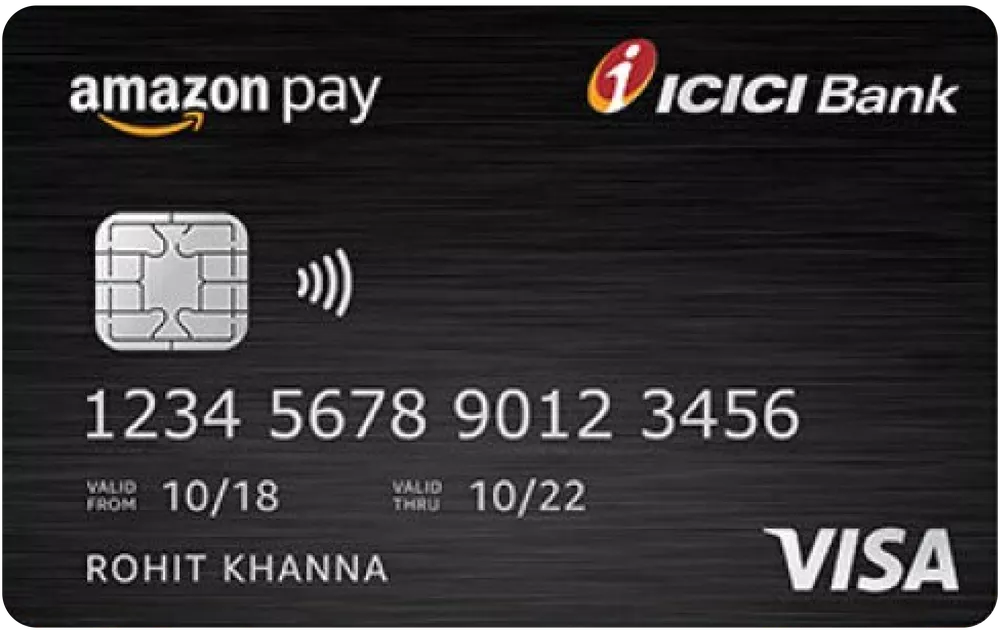
Role: the Amazon.in + Prime spine. Published structure: 5% for Prime on the mall, 3% without Prime, 2% on listed Amazon Pay partners, 1% elsewhere — in our data the headline Amazon lane has no monthly cap.
Pairs best with: anyone whose second card handles non-Amazon lanes (bills, broad online, or food/grocery caps).
Axis Bank ACE Credit Card
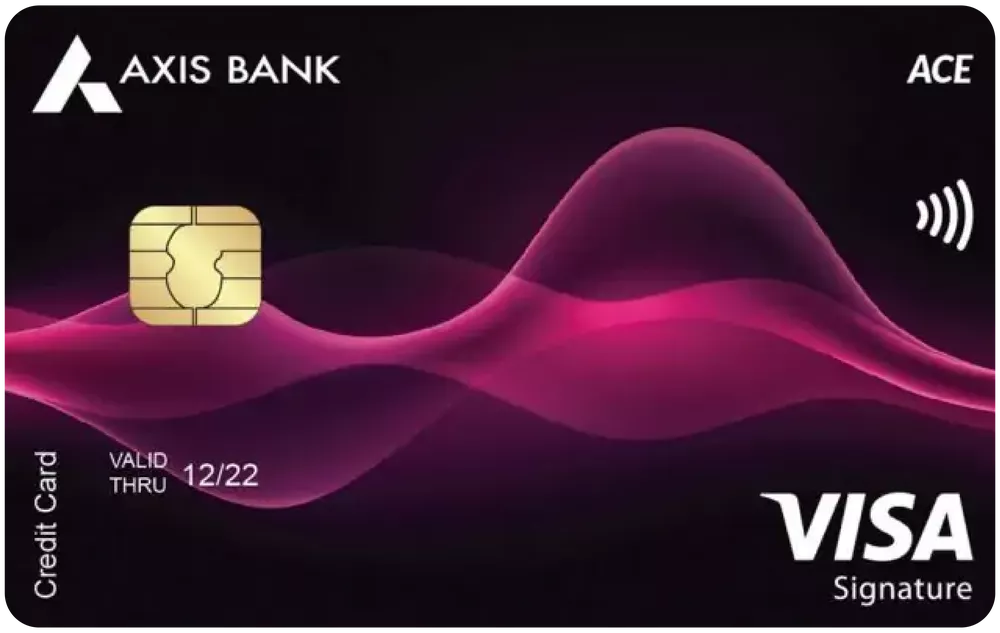
Role: Google Pay utility bill highway at 5% (published), plus 4% on listed food/OTT/cab apps — ₹499 fee with a ₹2 lakh waiver story you should verify against your own spends.
Pairs best with: a co-brand or broad online partner so Amazon does not eat a bill payment for no reason.
SBI Cashback Credit Card
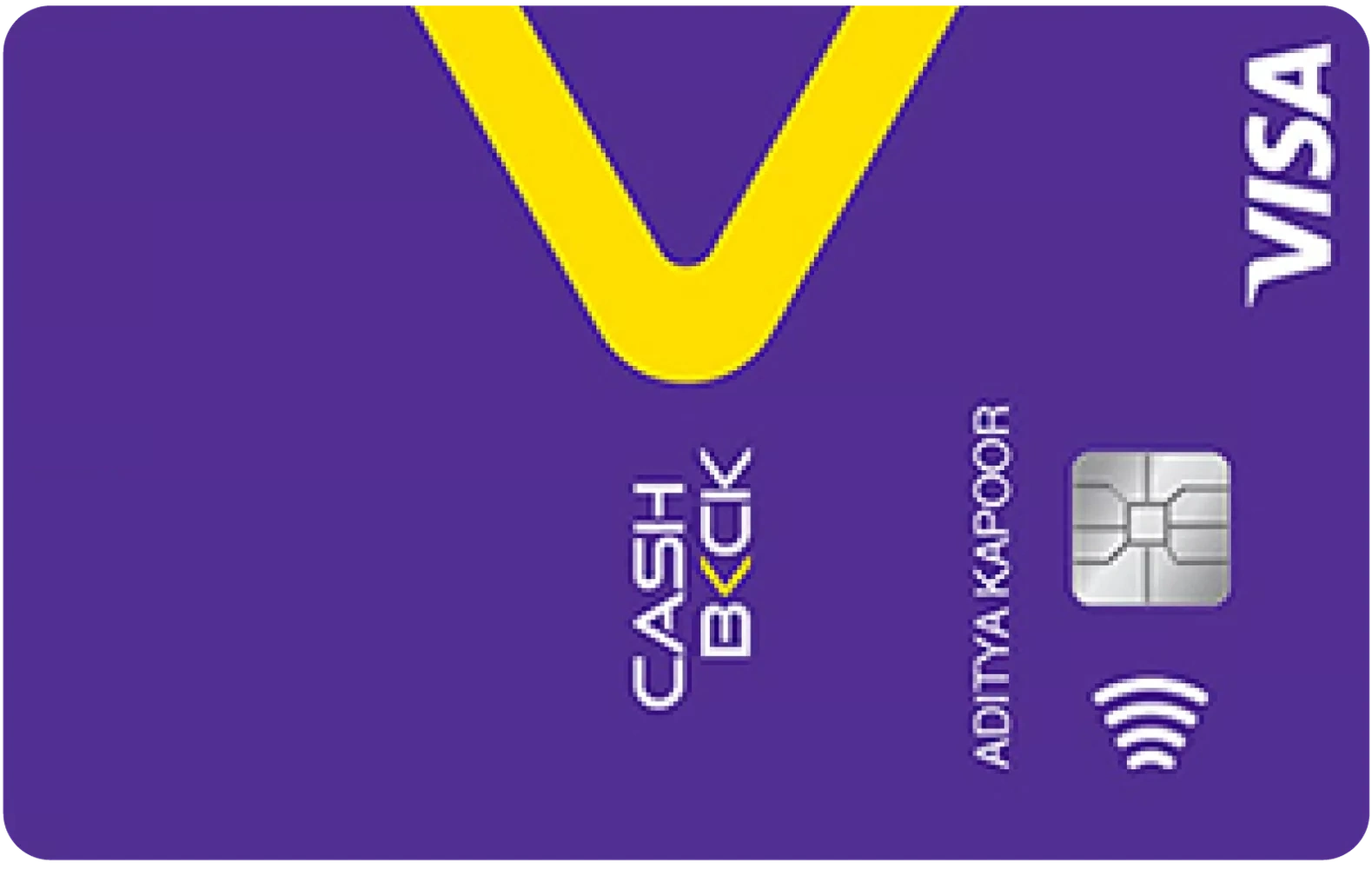
Role: “I do not want to memorise logos.” 5% on online spend in the published structure — still bounded by the programme’s ₹5,000/month cashback cap in our dataset.
Pairs best with: a bill-pay card so electricity does not compete with pizza in your head — only in the spreadsheet.
HDFC Bank Millennia Credit Card
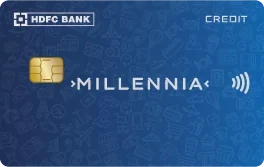
Role: Partner-list sniper — 5% CashBack on Amazon, Flipkart, Swiggy, Zomato, Sony LIV, and other names on HDFC’s published list; 1% base elsewhere. ₹1,000 fee, ₹1 lakh waiver threshold; rewards land as quarterly CashPoints.
Pairs best with: a simple co-brand if Amazon is already half your personality but Millennia still handles the “everything else apps” bundle.
Flipkart Axis Bank Credit Card
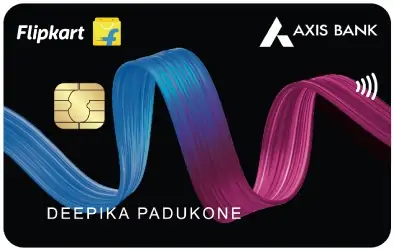
Role: Flipkart + Myntra at 5% (published co-brand lane). Outside that lane, other cards pick up the slack — because the universe refuses to standardise on one marketplace.
Pairs best with: broad online (SBI Cashback) or Amazon-first (Amazon Pay ICICI), depending on which app you doom-scroll.
HSBC Live+ Credit Card
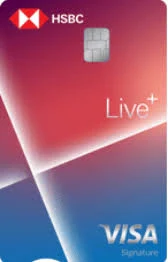
Role: urban 10% on dining, Swiggy, Zomato, groceries, and entertainment — combined cap ₹1,000 cashback/month across those accelerated lanes, then 1.5% base on other retail in the published summary.
Pairs best with: a retail co-brand so BigBasket anxiety and Amazon checkout do not wrestle inside the same capped bucket more than they have to.
When *not* to add another card
- You are still forgetting due dates on card one. Fix autopay and psychology before multiplying infrastructure.
- The second fee only clears if you manufacture spends — that is a hobby, not a hack.
- You mainly need forex + lounges — this piece is for domestic earn routing; compare travel products separately.
Goldilocks zone: two cards you can explain to a friend in two sentences without opening a spreadsheet.
Make the combo stick
Rename cards in your UPI app if you must. Color stickers work. The joke stops being funny when a ₹12,000 utility bill lands on the 1% lane because muscle memory picked pink instead of blue.
Then run the numbers: CardCheck’s Rewards Calculator for spend truth, and the Card Match Quiz for about a minute of “which archetype am I, really?” before you lock the stack for the year.
FAQ
- Will two credit cards hurt my CIBIL score?
Not automatically. Hard inquiries when you apply can move the needle short term; on-time full payments and sensible utilisation matter more over time. The risk is behavioural — forgotten bills — not the raw count of cards in a drawer.
- Should both cards be from the same bank?
Convenience vs overlap. Same issuer can mean one app — nice. But if both cards chase the same merchant list, you may have duplicated rituals without diversified coverage. The point of a combo is different rule books.
- Is Amazon Pay ICICI + Axis ACE the default Indian stack?
It is a popular answer — co-brand for the mall, GPay bills for the boring rupees — because the lanes are visibly different in brochures. Still verify your bill payment path and your waiver spends; popularity is not personal financial planning.
- What if I hit monthly caps on both cards?
Celebrate politely — you optimised the ceiling. Then decide if a third card earns its fee or if you should shift spend timing (annual prepay bills, stagger big purchases) before adding complexity.
- Do EMI purchases count toward rewards the same way?
Often no — many programmes reduce or zero out rewards on EMI conversions or certain tracked offers. Check your issuer’s wording before you finance a TV and expect full cashback fanfare.
Cards in this comparison
Compare now
Vineet Verma
Lead AnalystLead Financial Researcher & Credit Card Analyst at CardCheck
Vineet specializes in Indian retail banking terms, reward point economics, and MITC verification. Every insight is audited against official bank filings.