
Indore, Coimbatore, Lucknow, Jaipur — your city probably has UPI at every chai stall, Amazon delivery in two days, and a salary that would make a Mumbai banker blink twice.
That gap is exactly why “best credit card in India” lists written for metro earners miss the point. In tier-2 and tier-3 cities, you often want three things at once: a low income bar, rewards that work on apps you already use, and fees you will not regret paying if spend is modest.
Credit card use is rising fast outside the metros — SBI Card’s own reporting highlights strong adoption in smaller cities, with RuPay credit on UPI driving everyday QR spends. This guide picks catalog-backed cards with real benefits at modest income levels. Nothing here is an approval promise — always read each bank’s bill terms PDF before you apply.
Cards in this comparison (10)
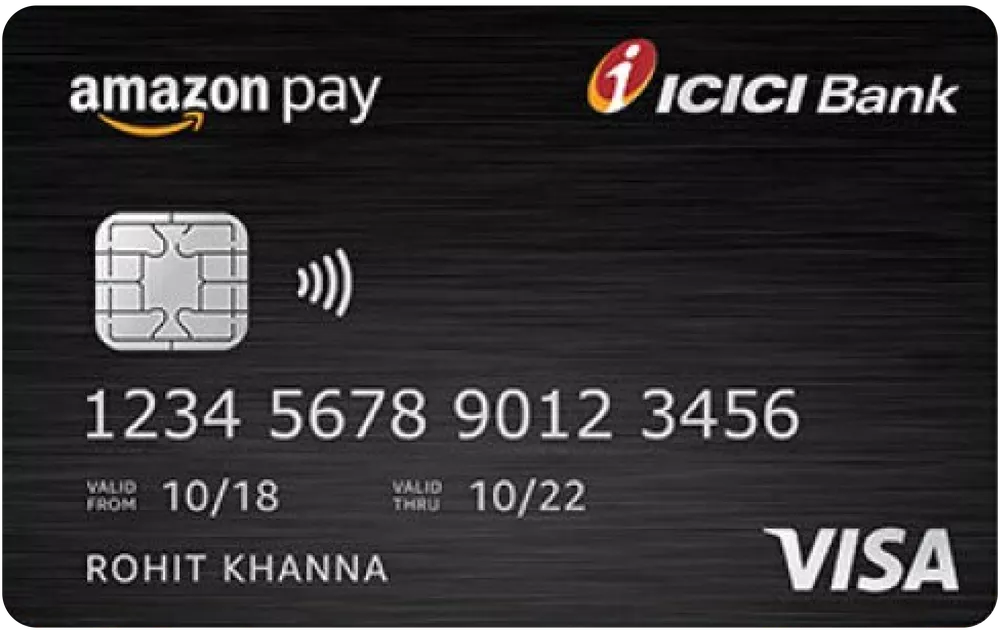

Amazon Pay ICICI Bank Credit Card
Rewards on Amazon Purchases
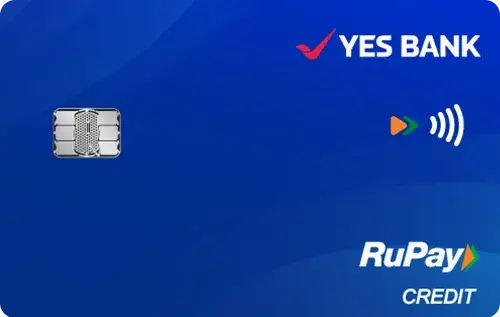
YES Bank RuPay Credit Card
Free RuPay credit card — UPI credit payments + 1% cashback on all spends


HDFC Bank UPI RuPay Credit Card
UPI power users — earn credit card rewards on UPI QR payments

SimplySAVE SBI Card
Shopping rewards
SimplyCLICK SBI Card
Online shoppers — 10X on Amazon, Cleartrip, Lenskart, BookMyShow


Axis Bank Neo Credit Card
Ultra-low fee beginners card — flat-rupee capped discounts on Zomato, Blinkit, Paytm utilities, BMS
Flipkart Axis Bank Credit Card
Flipkart and online shopping


IDFC FIRST WOW! Credit Card
FD-secured beginners — lifetime free, 0% forex, FIRST Coins (incl. up to 4X on eligible spends)
SBI Unnati Credit Card
Building credit — secured card against SBI fixed deposit, 1% cashback
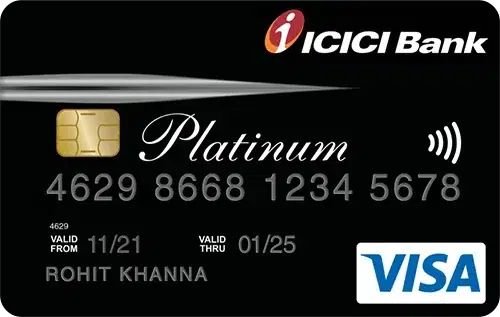
ICICI Bank Platinum Chip Credit Card
First Credit Card
Why tier-2 and tier-3 cities need a different shortlist
Metro card guides assume ₹50,000+ take-home, airport lounges you will visit twice a year, and premium travel miles. Smaller-city reality looks different:
- UPI-first spending — kirana QR codes, local services, and bill pay through PhonePe or Google Pay
- Lower formal income floors — many salaried jobs sit in the ₹15,000–₹25,000/month band
- Strong bank relationships — your salary account at SBI, HDFC, or a local PSU bank often matters more than chasing a fancy co-brand
- Online delivery everywhere — Amazon, Flipkart, Swiggy, and Blinkit reach tier-2 towns; cashback on those platforms is not a metro-only perk
RBI’s framework treats credit cards the same nationwide, but issuer underwriting and product design differ. Pick cards where the fee, income floor, and reward categories match how you actually spend — not how a Delhi influencer spends.
What to look for when income is modest
Before you chase a card because a YouTube thumbnail said “instant approval”, sanity-check four filters:
Annual fee vs your spend. A ₹499 fee only makes sense if you will clear the waiver threshold or earn enough back. Lifetime-free cards remove that maths entirely.
Income floor on the issuer page. Our catalogue shows published minimums — e.g. ₹15,000/month on several entry cards — but banks may ask for salary slips, ITR, or bank statements. Existing customers sometimes see lower bars; that is bank-specific, not guaranteed.
UPI compatibility. If most of your spends are QR-based, a RuPay credit card linked to UPI can earn where Visa-only cards do not.
Secured fallback. If unsecured approval is uncertain, an FD-backed card builds CIBIL history without pretending you have a corporate salary.
Use CardCheck’s Eligibility checker to compare income and CIBIL floors side by side before you hit “Apply”.
Quick comparison: top picks at a glance
Figures below come from CardCheck’s issuer-sourced catalogue (snapshot May 2026). Verify live terms before applying.
| Card | Annual fee | Min income (catalogue) | Standout benefit |
|---|---|---|---|
| IDFC FIRST Classic | ₹0 (LTF) | ₹15,000/mo | 3X online rewards, low interest band from 8.5% p.a. |
| Kotak 811 #DreamDifferent | ₹500 (waived ₹50K spend) | ₹15,000/mo | Digital-first entry, zero joining fee |
| ₹0 (LTF) | ₹25,000/mo | 5% on Amazon.in for Prime members | |
| ₹0 (LTF) | ₹15,000/mo | UPI-linked, 1% flat cashback | |
| ₹99 (waived ₹25K spend) | ₹15,000/mo | 3% on utility UPI spends | |
| ₹499 (waived ₹1L spend) | ₹20,000/mo | 10X on dining, groceries, movies | |
| ₹499 (waived ₹1L spend) | ₹20,000/mo | 10X on Amazon, Cleartrip, BookMyShow | |
| ₹250 (waived ₹50K spend) | ₹15,000/mo | Flat discounts on Zomato, Blinkit, Paytm utilities | |
| ₹500 (waived ₹2L spend) | ₹15,000/mo | 5% on Flipkart/Myntra + 1 lounge/quarter | |
| ₹0 (LTF) | FD-secured | 0% forex, no traditional income proof | |
| ₹499 (4-year waiver) | FD ₹25,000 min | 1% cashback, credit-building | |
| ₹0 (LTF) | See issuer page | Zero-fee starter with basic points |
Best lifetime-free and low-fee cards (unsecured)
Start here if you have a payslip or bank statements in the ₹15,000–₹25,000 range and a reasonable CIBIL file.
IDFC FIRST Classic Credit Card
Why tier-2/3 users like it: Lifetime free with 3X FIRST Coins on online spends and interest rates starting at 8.5% p.a. on the issuer page — unusually low if you ever slip on a payment (still pay in full every month).
Catalogue income floor: ₹15,000/month · CIBIL: 650+ in our data.
Catch: No lounge access; UPI spends typically do not earn accelerated rewards per issuer exclusions.
Kotak 811 #DreamDifferent Credit Card
Why it fits: Built for 811 digital banking users — zero joining fee, ₹500 annual fee waived on ₹50,000 annual spend, and a ₹15,000/month income floor in our catalogue.
Rewards: Modest points — 2 points per ₹100 on utilities, 1 point per ₹150 elsewhere. Fine as a first card if you already bank with Kotak.
Amazon Pay ICICI Bank Credit Card
Why it dominates smaller cities too: Amazon delivers almost everywhere. Prime members get 5% cashback on Amazon.in with no monthly cap in our data; lifetime free.
Income floor: ₹25,000/month in catalogue — higher than others here. Worth trying if you already hold an ICICI account; pre-approved offers can bypass published floors for existing customers.
Catch: Value is thin outside Amazon and Amazon Pay partners; 3.5% forex markup — not for international use.
ICICI Bank Platinum Chip Credit Card
Starter angle: ₹0 joining and annual fee in our captured fields — a plain, chip-secured card when you want credit history without fee anxiety. Check the issuer page for current income rules.
Best cards for UPI and QR spends
SBI Card’s reporting notes that a large share of UPI-linked credit card activity comes from tier-2 and tier-3 markets. If your kirana run is a QR scan, these cards deserve a look.
YES Bank RuPay Credit Card
Why pick it: Lifetime free, UPI-linked (PhonePe, Google Pay, BHIM), 1% cashback on eligible retail in our catalogue, ₹15,000/month income floor.
Best for: First card users who live on UPI and want zero annual fee.
HDFC Bank UPI RuPay Credit Card
Why pick it: 3% cashback on utility bill payments via UPI and 1% on other UPI-linked spends — strong if you pay electricity, water, and gas through QR.
Fee: Just ₹99/year, waived on ₹25,000 annual spend. Income floor: ₹15,000/month in catalogue.
Catch: RuPay acceptance abroad is limited; treat this as a domestic UPI card.
Best cards for online shopping
E-commerce is not a metro monopoly anymore. These cards reward the platforms that deliver to your pin code.
SimplyCLICK SBI Card
Rewards: 10X SBI Reward Points on Amazon, BookMyShow, Cleartrip, Lenskart, Dominos, and Yatra — 5X on all other online spends in our data. Effective rate roughly 2.5% on partners at standard redemption.
Fee: ₹499/year, waived on ₹1 lakh annual spend. Income: ₹20,000/month catalogue floor.
Who it suits: Regular Amazon and travel-booking users with an SBI relationship.
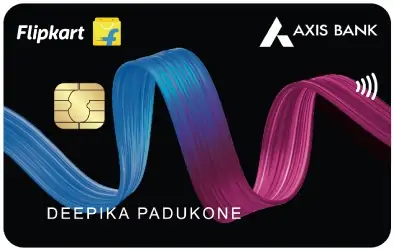
Flipkart Axis Bank Credit Card
Rewards: 5% cashback on Flipkart and Myntra, 4% on partners (Swiggy, PVR, Uber in our data), 1.5% unlimited on everything else.
Bonus: One domestic lounge visit per quarter — rare at this fee level.
Fee: ₹500/year, waived on ₹2 lakh spend. Income: ₹15,000/month in catalogue.
Best for food delivery and everyday spending
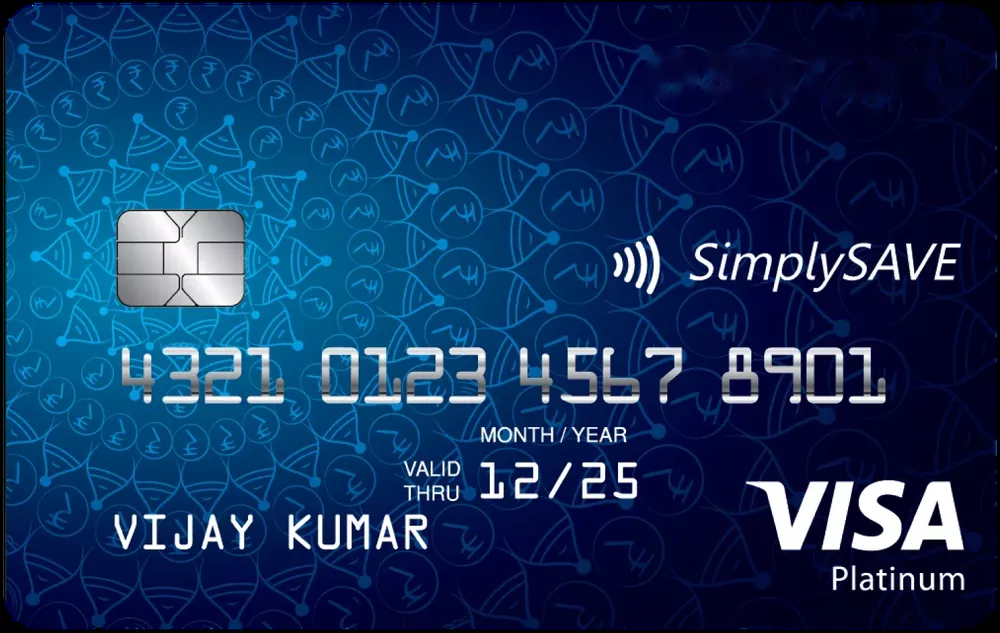
SimplySAVE SBI Card
Rewards: 10X points on dining, movies, departmental stores, and groceries — about 2.5% effective on those categories at standard redemption.
Fee: ₹499/year, waived on ₹1 lakh spend. Income: ₹20,000/month.
Who it suits: Families doing weekly grocery runs and occasional dining out — common tier-2 spend pattern.
Axis Bank Neo Credit Card
Different model: Flat-rupee discounts, not open-ended cashback — up to roughly ₹240/month on Zomato, ₹250/month on Blinkit, ₹150/month on Paytm utilities per Axis’s published caps in our data.
Fee: ₹250/year (waived on ₹50,000 spend; lifetime free via select channels per issuer). Income: ₹15,000/month.
Catch: Base earn on other spends is only about 0.25%. Pay the full statement — revolving interest wipes out discount savings fast.
FD-secured cards when income proof is thin
No payslip? A fixed deposit with the same bank is the regulated on-ramp most issuers offer. You lock collateral; they extend a limit — usually a percentage of the FD.
IDFC FIRST WOW! Credit Card
Standout: Lifetime free, 0% forex markup on international transactions in our data, FIRST Coins on spends, and no traditional CIBIL/income proof required because it is FD-secured.
Trade-off: Your credit limit tracks the FD; missed payments can trigger lien recovery per MITC.
SBI Unnati Credit Card
Standout: Secured against SBI fixed deposit (₹25,000 minimum in our catalogue), 1% cashback on retail, annual fee waived first four years with no default.
Best for: SBI account holders building or repairing CIBIL in smaller cities where SBI branches are everywhere.
How to apply without wasting hard enquiries
Each application can leave a hard enquiry on your CIBIL report. In tier-2/3 markets where credit files are often thinner, that matters more.
- Check pre-approved offers in your existing bank’s app first — salary account history beats cold applications.
- Match income and CIBIL floors on CardCheck before you apply — do not spray five forms in one week.
- Pick one lane: unsecured starter or FD-secured or UPI RuPay — not all three on the same day.
- Keep utilisation under ~30% of limit in the first six months; stressed usage hurts future upgrades.
- Pay the full statement balance every month — minimum due is how a ₹499-fee card becomes a ₹40,000 interest story.
RBI requires issuers to give you key fact statements before you sign. Read the bill terms PDF — reward exclusions on fuel, rent, wallet loads, and EMI are where “5% cashback” dreams go to die.
Bottom line: match the card to your city, not the billboard
Tier-2 and tier-3 India does not need a copy-paste metro premium card. It needs low fees, rewards on UPI and apps you already use, and honest eligibility paths when income is still climbing.
If you want one starting point: IDFC FIRST Classic for lifetime-free online rewards at a ₹15,000 income floor, or YES Bank RuPay if UPI is your entire financial life.
If Amazon is your mall: Amazon Pay ICICI — when you clear the income bar.
If approval feels uncertain: IDFC FIRST WOW! or SBI Unnati via FD — boring, effective, real credit history.
Use CardCheck’s free Eligibility checker to see which of these cards fit your income and CIBIL band before you apply.
FAQ
- Can I get a credit card in a tier-2 city with ₹15,000 salary?
Often yes on entry products — our catalogue lists ₹15,000/month floors on cards like IDFC FIRST Classic, Axis Neo, YES RuPay, and HDFC UPI RuPay. Banks still verify documents; approval is never guaranteed.
- Are credit cards useful in tier-3 cities where everyone uses UPI?
Yes, if you pick UPI-linked RuPay credit. You can earn cashback or points on QR spends where traditional Visa cards may not. SBI Card’s data shows strong UPI-credit adoption outside metros.
- Which is better — lifetime free or ₹499 fee with higher rewards?
Run the maths on your actual spend. A ₹499 fee only wins if you hit the fee waiver threshold or earn enough in accelerated categories. If monthly spend is under ₹8,000, lifetime-free cards usually beat fancy multipliers.
- Should I apply to my salary bank or a different issuer?
Start with your salary bank — pre-approved offers and existing KYC reduce friction. Switch issuers only when another card’s rewards clearly beat what your bank offers on your spend mix.
- What if I have no CIBIL score at all?
FD-secured cards like IDFC FIRST WOW! or SBI Unnati are designed for thin files. You pledge a fixed deposit; the bank reports repayment behaviour to credit bureaus over time.
- Does CardCheck guarantee approval for these cards?
No. We compare issuer-published fees, rewards, and eligibility fields so you apply with fewer surprises. The bank makes the final call.
Cards in this comparison (10)
Amazon Pay ICICI Bank Credit Card
Rewards on Amazon Purchases
YES Bank RuPay Credit Card
Free RuPay credit card — UPI credit payments + 1% cashback on all spends
HDFC Bank UPI RuPay Credit Card
UPI power users — earn credit card rewards on UPI QR payments
SimplySAVE SBI Card
Shopping rewards
SimplyCLICK SBI Card
Online shoppers — 10X on Amazon, Cleartrip, Lenskart, BookMyShow
Axis Bank Neo Credit Card
Ultra-low fee beginners card — flat-rupee capped discounts on Zomato, Blinkit, Paytm utilities, BMS
Flipkart Axis Bank Credit Card
Flipkart and online shopping
IDFC FIRST WOW! Credit Card
FD-secured beginners — lifetime free, 0% forex, FIRST Coins (incl. up to 4X on eligible spends)
SBI Unnati Credit Card
Building credit — secured card against SBI fixed deposit, 1% cashback
ICICI Bank Platinum Chip Credit Card
First Credit Card

Vineet Verma
Lead AnalystLead Financial Researcher & Credit Card Analyst at CardCheck
Vineet specializes in Indian retail banking terms, reward point economics, and MITC verification. Every insight is audited against official bank filings.