
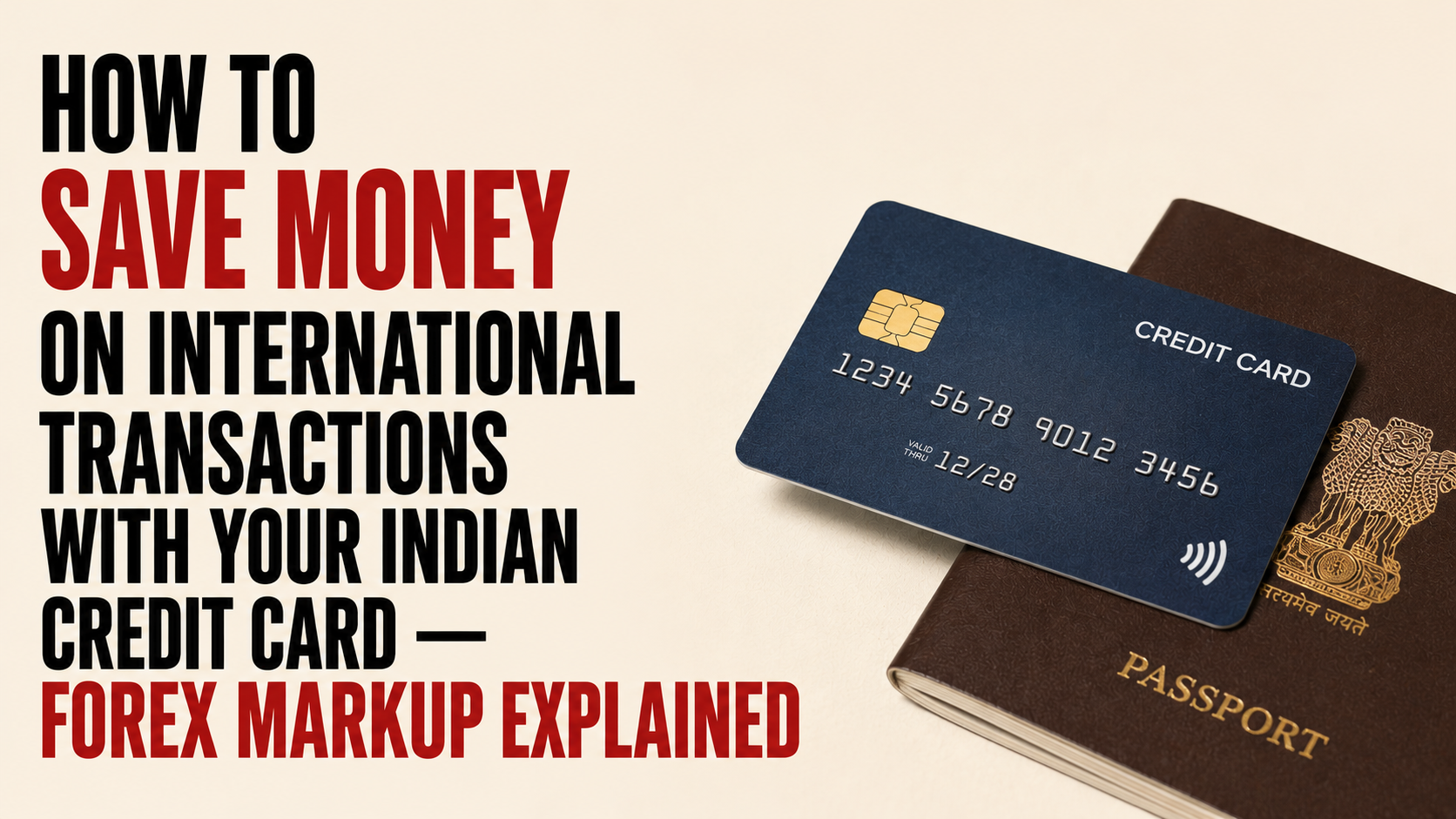
A week abroad can cost you an extra 3–5% on every swipe if you use the wrong card — or tap “pay in INR” at the terminal.
Indian issuers charge a published foreign exchange (forex) markup on overseas spends. Many mass-market cards still show about 3.5% in CardCheck’s catalogue, and GST applies on that issuer fee — not always obvious on the receipt.
This guide is the savings playbook: what to decline at checkout, which cards list 0% forex markup in our 2026-05-19 snapshot, and habits that keep more rupees for the trip. For a full glossary and longer zero-FX table, see Forex markup fee explained.
Cards in this comparison (3)
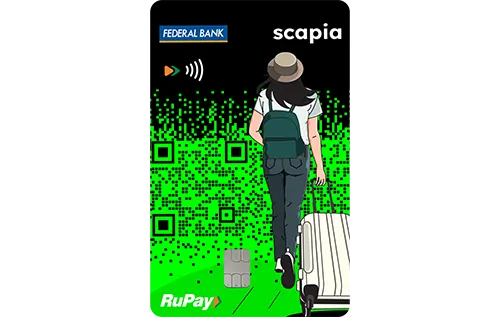

Scapia Federal Bank Credit Card
International travellers — zero forex + travel coins on every spend


IDFC FIRST WOW! Credit Card
FD-secured beginners — lifetime free, 0% forex, FIRST Coins (incl. up to 4X on eligible spends)
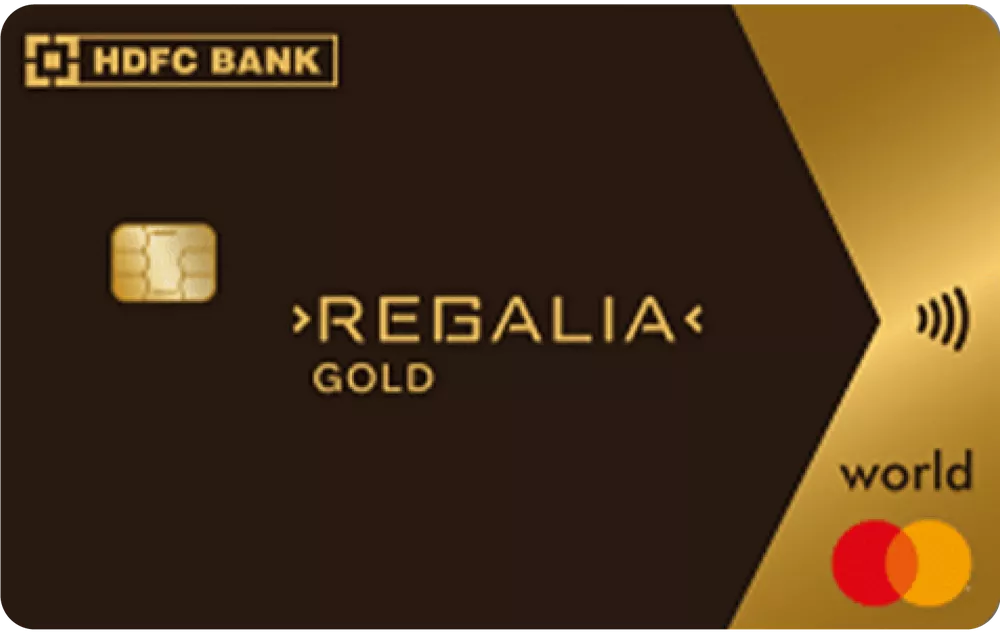

Regalia Gold Credit Card
Travel rewards
Where the money leaks on international swipes
| Charge type | What it is | How to reduce it |
|---|---|---|
| Forex markup | Issuer fee on foreign-currency spends (in MITC) | Use a 0% markup card or a lower-markup premium card |
| GST on forex fee | Tax on the issuer’s FX fee component | Lower markup → lower fee → lower GST on that slice |
| Dynamic Currency Conversion (DCC) | Terminal converts to ₹ at merchant’s rate | Decline — pay in local currency |
| ATM cash advance | Cash withdrawal on credit card abroad | Avoid; use debit/forex card; read cash-advance fees in MITC |
Example (illustrative): ₹1,00,000 overseas spend with 3.5% issuer markup → about ₹3500 fee before GST. With 18% GST on the fee, the fee stack is roughly 4.13% of the markup portion (~₹4130 total fee load in this napkin math). A 0% markup card removes that issuer slice — you still pay the underlying conversion, not a published markup line.
Rule 1 — Always pay in local currency (say no to DCC)
At hotels, shops, and POS machines abroad you may see “Bill in INR?” or “Pay in your home currency.” That is DCC.
The foreign terminal converts at its own rate — often worse than letting your Indian issuer convert after you choose USD, EUR, THB, AED, etc.
What to do:
- Select local currency on the keypad.
- If the receipt shows ₹, ask to re-run in local currency when possible.
- For online checkouts, pick the merchant’s country currency, not INR, unless you are on an India-only site.
Rule 2 — Carry a card with low or zero forex markup
Your Most Important Terms and Conditions (MITC) PDF lists foreign currency markup %. CardCheck ingests that field into our catalogue — numbers below are snapshot 2026-05-19, not a promise forever.
Cards with 0% forex markup in our data (annual fee varies):
| Card | Forex markup (snapshot) | Annual fee (snapshot) |
|---|---|---|
| IDFC FIRST Wealth Credit Card | 0% | ₹0 in snapshot |
| 0% | ₹0 in snapshot | |
| 0% | ₹0 in snapshot | |
| YES Bank RuPay Credit Card | 0% | ₹0 in snapshot |
| IndusInd Bank Samman RuPay Credit Card | 0% | ₹0 in snapshot |
| HSBC Premier Credit Card | 0% | ₹0 in snapshot |
| OneCard Metal Credit Card | 0% | ₹0 in snapshot |
| IndusInd Bank Crest Credit Card | 0% | ₹50,000 |
Compare before you fly:
- Typical ecommerce card Amazon Pay ICICI Bank Credit Card — 3.5% markup in snapshot.
- Premium benchmark HDFC Bank Regalia Gold Credit Card — 2% markup — may still win on lounge + insurance if FX volume is modest.
Filter live data on Browse cards. Full breakdown: Forex markup explained.
Rule 3 — Match the card to the trip type
Scapia Federal Credit Card
Save when: frequent short trips; you want 0% published markup in our snapshot with travel-positioned rewards. Check: lounge/spend gates in live MITC before you depend on airport perks.
IDFC FIRST WOW Credit Card
Save when: you need a low-fee, 0% markup option in catalogue data for mixed domestic + light foreign use. Check: reward caps and partner lists on the issuer site.
HDFC Regalia Gold Credit Card
Save when: you already hold it for domestic perks and accept ~2% FX markup — worthwhile only if travel benefits outweigh FX on your actual spend volume. Not a zero-FX card.
Rule 4 — Skip the wrong rails abroad
Credit card ATM withdrawals abroad usually trigger cash advance fees + interest from day one — separate from forex markup. Use a debit card or regulated forex instrument for cash if needed.
RuPay international acceptance is growing but still patchier than Visa/Mastercard on some routes — carry a backup network if your primary card is RuPay-only.
Large transfers (tuition, property, investments) should go through bank wire / LRS channels your CA approves — not repeated card swipes to game limits.
Enable international usage and travel intimation in the issuer app so legitimate swipes are not blocked mid-checkout.
Rule 5 — Reconcile the statement like an auditor
Settlement can post 1–3 days after the swipe; the ₹ amount may shift slightly with network rates.
On your PDF statement, look for separate lines:
- Foreign currency markup or similar
- GST on fees
Screenshot your MITC FX section before travel. If the bank charges above the published rate, raise a written complaint with the reference number; RBI’s credit card FAQs remind consumers to read terms and escalate through the bank first.
Pre-trip checklist (5 minutes)
- Pick one primary travel card with the lowest MITC markup you already qualify for.
- Set full bill autopay so post-trip interest does not erase FX savings.
- Decline DCC / INR billing at every terminal.
- Note customer care + card block numbers offline.
- Model ₹ spend in Rewards calculator — net rewards after FX still matter on high-volume trips.
Sources
- RBI — Credit card FAQs — consumer rights and conduct.
- Issuer MITC / schedule of charges — binding forex markup % and ATM fees.
- CardCheck `cards.json` snapshot (2026-05-19) — comparative markup and fee fields.
- Forex markup fee explained — zero-FX deep dive.
Please note
Education only. Promotions and waiver rules change; issuer PDFs override CardCheck snapshots. Snapshot 2026-05-19.
FAQ
- Is paying in INR abroad ever cheaper?
Rarely. DCC “pay in INR” at a foreign terminal usually costs more than paying in local currency and letting your Indian issuer convert. Decline INR unless you have verified the rate.
- Does zero forex markup mean zero extra cost?
No. You still get converted at network/issuer rates. Zero markup means no extra issuer % line in MITC — not a magic Google mid-market rate.
- Is GST charged on my full hotel bill?
GST on cards typically hits fee components (forex fee, service charges) per your statement — not the entire foreign purchase amount. Read the fee break-up on the PDF.
- Which Indian credit card has 0% forex markup?
Several list 0% in CardCheck on 2026-05-19 — see the table above and the longer list in Forex markup explained. Confirm on the bank’s live MITC before applying.
- Should I use my debit card instead?
Debit cards have their own FX and ATM charges in the bank’s tariff. Compare both MITCs — many travellers use zero-markup credit for purchases and debit/forex card for cash.
- Will rewards offset 3.5% forex markup?
Only if effective reward rate on that spend category exceeds markup + GST on fee. On a ₹2 lakh trip, 3.5% markup alone is ₹7,000 — most base rewards do not clear that.
Cards in this comparison (3)
Scapia Federal Bank Credit Card
International travellers — zero forex + travel coins on every spend
IDFC FIRST WOW! Credit Card
FD-secured beginners — lifetime free, 0% forex, FIRST Coins (incl. up to 4X on eligible spends)
Regalia Gold Credit Card
Travel rewards

Vineet Verma
Lead AnalystLead Financial Researcher & Credit Card Analyst at CardCheck
Vineet specializes in Indian retail banking terms, reward point economics, and MITC verification. Every insight is audited against official bank filings.