
No credit history (a “thin file”) and a low CIBIL score (often below 650–700) are different problems — but both make standard premium cards unlikely on the first try. Banks still offer regulated on-ramps: FD-secured cards, add-on (supplementary) cards, and a handful of entry unsecured products when income or banking history looks acceptable.
This guide maps which path fits you, what not to do (application spam, settlement shortcuts), and five catalogue cards on CardCheck that match common thin-file or repair journeys — always read the issuer MITC before you apply.
Pull your bureau file first via free CIBIL (step-by-step). Dispute errors through the bureau; rights around credit data sit in RBI’s FAQs.
Cards in this comparison (5)
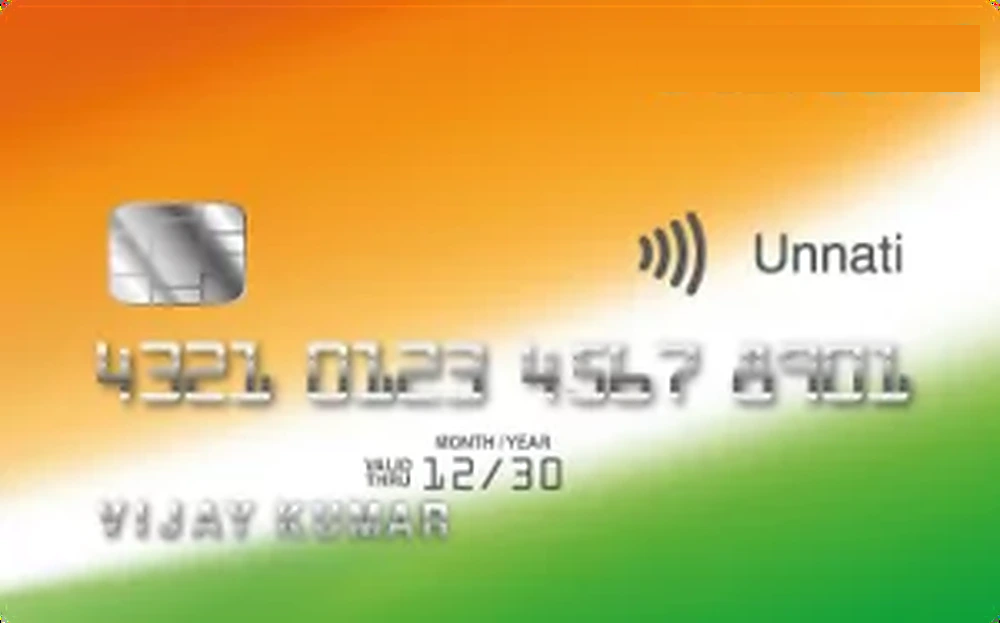

SBI Unnati Credit Card
Building credit — secured card against SBI fixed deposit, 1% cashback


IDFC FIRST WOW! Credit Card
FD-secured beginners — lifetime free, 0% forex, FIRST Coins (incl. up to 4X on eligible spends)
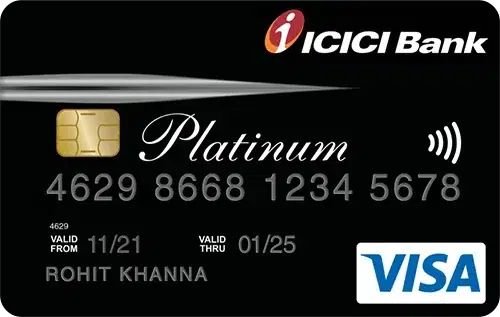

ICICI Bank Platinum Chip Credit Card
First Credit Card
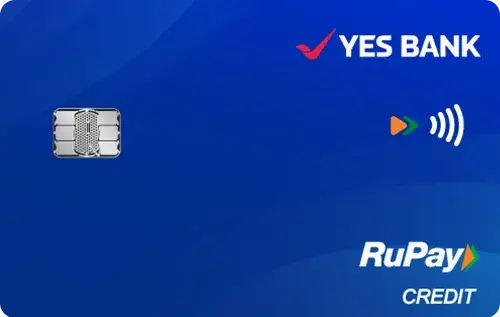
YES Bank RuPay Credit Card
Free RuPay credit card — UPI credit payments + 1% cashback on all spends
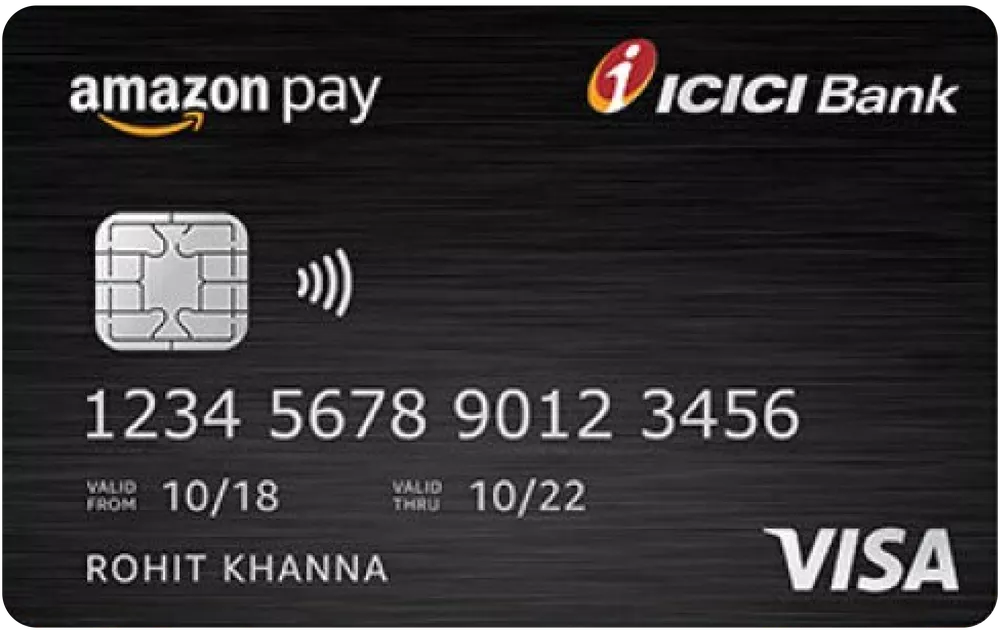
Amazon Pay ICICI Bank Credit Card
Rewards on Amazon Purchases
No history vs low score — know which problem you have
| Situation | What the bureau shows | Typical first move |
|---|---|---|
| No history (NTC / thin file) | Few or zero accounts; score may be missing or thin | FD-secured or add-on card; small spends paid in full |
| Low score (650–) | Late pays, high utilisation, settlements, many enquiries | Fix overdue + pause applications; then secured card |
| Fair score (650–699) | Some clean history mixed with old mistakes | Entry unsecured may work if income is documented — not guaranteed |
CIBIL describes the score as a 300–900 summary of past repayment behaviour (explainer). No score magic fixes a written-off loan in a week.
Path 1 — FD-secured credit card (most reliable)
You open a fixed deposit with the issuing bank; they issue a card with a limit tied to that deposit (often ~80–100% of FD value — confirm on MITC). Your FD usually keeps earning interest while it is lien-marked.
Who it suits: no bureau history, recent rejections, or score recovering from old misses — as long as you can lock ₹10,000–₹25,000+ without needing it next month.
Risks: missed payments can trigger lien recovery; treat it as real credit, not play money.
SBI Unnati Credit Card
Catalogue notes: secured against SBI FD with ₹25,000 minimum deposit in our data; 1% cashback on eligible retail; minimum age 18 in published fields.
IDFC FIRST WOW! Credit Card
Catalogue notes: FD-backed positioning; lifetime free in captured fee fields; 0% forex markup on international spends in our data — compare lien rules on IDFC’s site.
Path 2 — Add-on (supplementary) card
A family member with a healthy primary card can request an add-on for you. Spend limits and liability sit with the primary cardholder — agree in writing who pays and how much before you shop.
Bureau impact: reporting varies by issuer setup; if your CIBIL growth is the goal, confirm whether the add-on tradeline reports under your PAN.
Best when: you are a student or homemaker with zero income proof but trusted family credit access.
Path 3 — Entry unsecured cards (thin file, not broken file)
These are not guaranteed. Issuers still check income, employer, and enquiries. They work best when score is absent or fair, not when fresh defaults litter the report.
ICICI Bank Platinum Chip Credit Card
Why compare it: ₹0 / ₹0 joining and annual fee in our catalogue — a common first unsecured mention when income is modest but documented.
YES Bank RuPay Credit Card
Why compare it: ₹0 fees and UPI-linked RuPay positioning in published benefits — useful if your spend is PhonePe / Google Pay heavy after approval.
Amazon Pay ICICI Bank Credit Card
Why compare it: lifetime-free positioning in our data with Amazon-tilted rewards — only if your shopping actually justifies the application.
Salary but no slip? See First credit card without income proof for FD and add-on depth.
What to fix before you apply (low CIBIL edition)
- Clear overdue on every open loan or card — even partial settlement beats ignoring the bill.
- Stop applying for 90 days — each rejection adds a hard inquiry.
- Lower utilisation below 30% on any card you still hold.
- Dispute wrong accounts on CIBIL — closed loans showing overdue are common data bugs.
- Avoid “settled” shortcuts unless you understand the long bureau footprint.
After six to twelve months of clean secured-card use, revisit How to improve CIBIL for premium cards — not before.
Compare — five starter routes on CardCheck
| Card | Type | Fee headline (catalogue) | Best when |
|---|---|---|---|
| FD-secured | See card page | SBI FD available; building history from zero | |
| FD-secured | Lifetime free in our data | Want FD-backed card with published 0% forex line | |
| Entry unsecured | ₹0 / ₹0 | Documented income, thin but not toxic file | |
| Entry unsecured RuPay | ₹0 / ₹0 | UPI-forward spend after approval | |
| Co-brand unsecured | Lifetime free in our data | Heavy Amazon spend + fair bureau file |
12-month rebuild plan (realistic)
Months 1–2: secured or add-on card; ₹2,000–₹5,000 monthly spend; full statement payment. Month 3: pull free CIBIL; confirm accounts report correctly. Months 4–8: keep utilisation low; no new applications. Months 9–12: if score is 700+ and enquiries are quiet, try one entry unsecured upgrade — use Eligibility checker first.
Use CardCheck’s Quiz after month six to see which cashback or UPI card matches spend — about one minute, no approval promise.
Applications that usually fail — skip the hope tax
- HDFC Infinia / Axis Magnus-class products on a 650 file
- Five applications in one week “to see who says yes”
- Premium travel cards with no income proof
- Paying only minimum due while expecting score jumps
- Guaranteeing a friend’s loan then applying for your own card
Learn score bands (education only) in CIBIL score required per card — not issuer promises.
FAQ
- Can I get a credit card with no CIBIL score at all?
Often yes via FD-secured or add-on routes. Standard unsecured cards usually want some repayment story. Compare SBI Unnati and IDFC WOW on CardCheck, then read each bank’s FD lien MITC.
- What is the minimum CIBIL score for a credit card in India?
There is no single RBI minimum. Many issuers prefer 700+ for vanilla unsecured cards; 650–699 may still work with strong income. Below ~650, plan on secured products first. See our free CIBIL guide.
- Is a secured credit card bad for my score?
No — if you pay on time. A secured line reported to the bureau can build positive history. Missing payments hurts like any other card, and the bank can invoke the FD lien.
- Will an add-on card improve my CIBIL?
Maybe. Confirm with the issuer whether the tradeline reports on your PAN. Even if reporting is thin, it can train repayment discipline before you apply solo.
- How long to go from low CIBIL to a normal unsecured card?
With no new negatives, many salaried users see meaningful improvement in 6–12 months of full payments and low utilisation — not overnight. Severe defaults take longer.
- Which CardCheck tool should I use first?
Eligibility checker with your income band and score range, then Compare on the five cards above before one application.
Cards in this comparison (5)
SBI Unnati Credit Card
Building credit — secured card against SBI fixed deposit, 1% cashback
IDFC FIRST WOW! Credit Card
FD-secured beginners — lifetime free, 0% forex, FIRST Coins (incl. up to 4X on eligible spends)
ICICI Bank Platinum Chip Credit Card
First Credit Card
YES Bank RuPay Credit Card
Free RuPay credit card — UPI credit payments + 1% cashback on all spends
Amazon Pay ICICI Bank Credit Card
Rewards on Amazon Purchases

Vineet Verma
Lead AnalystLead Financial Researcher & Credit Card Analyst at CardCheck
Vineet specializes in Indian retail banking terms, reward point economics, and MITC verification. Every insight is audited against official bank filings.